
6 Best Universal Remotes for Home Entertainment
Simplify your setup and end remote clutter. Our guide reviews the 6 best universal remotes for seamless control of all your entertainment devices.
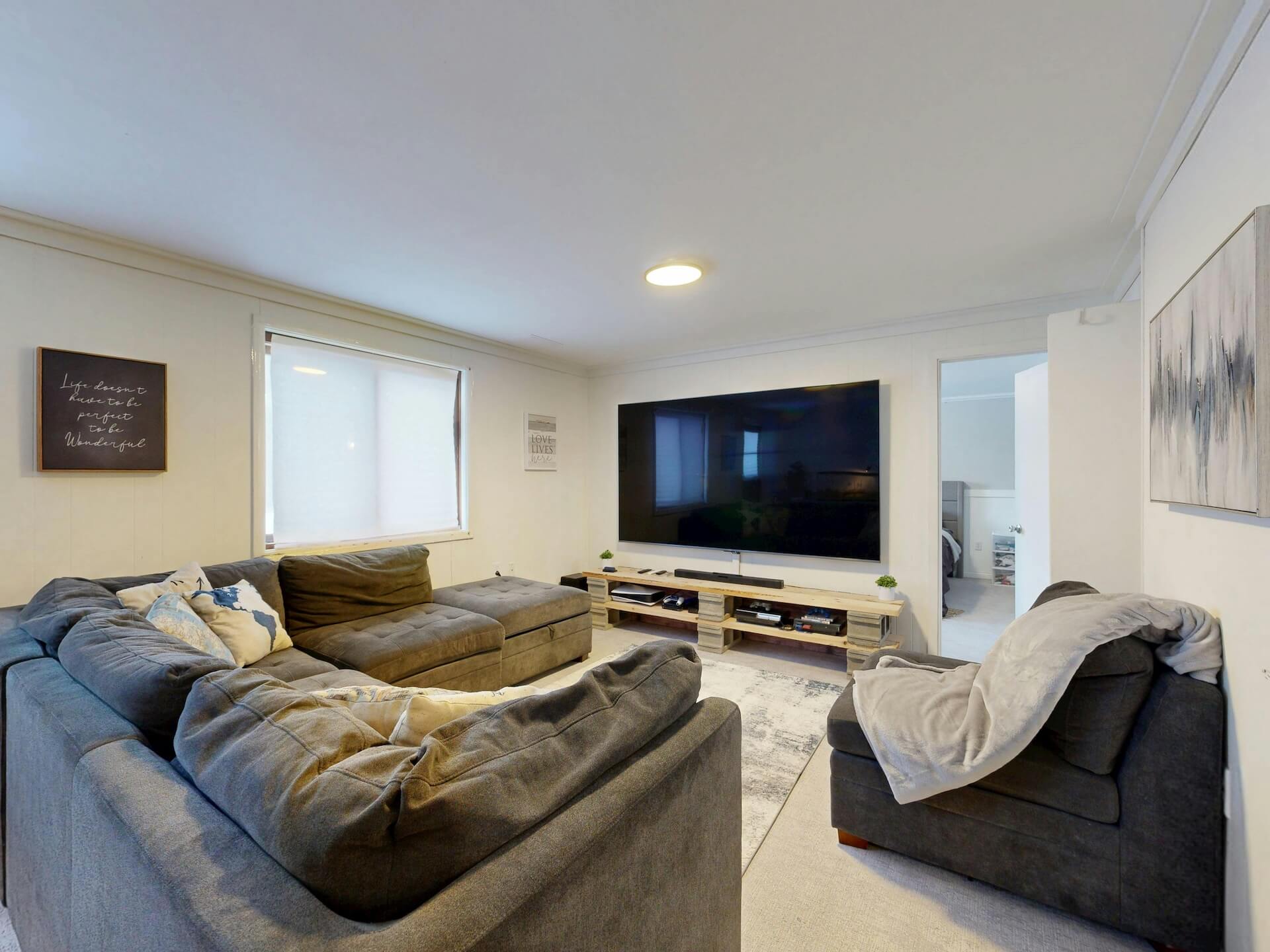
Is your coffee table overflowing with a jumble of black plastic rectangles for the TV, soundbar, streaming box, and Blu-ray player? You’re not alone in facing this common household clutter. A universal remote is the single best tool for taming that tech chaos and making your entertainment system a joy to use for everyone in the family.
Consolidate Your Controls for a Tidier Space
The primary promise of a universal remote is simple: one remote to control everything. Instead of fumbling for the right controller to adjust the volume or switch inputs, you have a single device that speaks the language of all your components. This immediately declutters your living room, freeing up valuable space on coffee tables and end tables, which is especially important in smaller apartments or condos.
But the benefit goes beyond just tidiness. A consolidated control system simplifies the user experience for everyone, from kids to visiting grandparents. There’s no more confusing dance of "use this remote to turn on the TV, then this one for the cable box, and this other one for the sound." A well-programmed universal remote makes operating a sophisticated home theater system as easy as pressing a single button.
This isn’t about creating a hyper-advanced smart home; it’s about restoring practicality to your daily routine. Think of it as an organizational tool, much like a good spice rack for your kitchen or a key hook by the door. It brings order to a small but frequently frustrating part of modern life, giving you back time and reducing minor daily annoyances.
Logitech Harmony 665 for Activity-Based Control
If your entertainment setup is centered around a TV, soundbar, and a few media players, the Logitech Harmony 665 is a legendary workhorse. While discontinued by Logitech, it remains widely available and is beloved for its "activity-based" approach. Instead of thinking about which device you need to control, you think about what you want to do.
Imagine pressing a single button labeled "Watch a Movie." The Harmony 665 can be programmed to turn on your television, switch it to the correct HDMI input, power on your Blu-ray player, and activate your sound system simultaneously. This intuitive functionality is what sets it apart from basic remotes. Its backlit color screen and logically arranged buttons make it easy to navigate, even in a dimly lit room.
The main tradeoff is its setup process, which requires connecting the remote to a computer via USB and using Logitech’s desktop software. It doesn’t control Wi-Fi-based smart home devices like lights or thermostats. However, for homeowners and renters focused purely on streamlining their audio-visual experience, the 665 offers incredible power and reliability for its price point.
SofaBaton X1: The Modern Smart Home Hub Remote
For the household where the smart speaker, smart lights, and streaming stick are just as important as the television, the SofaBaton X1 is built for the modern connected home. This system goes beyond traditional remote control by pairing a sleek wand-style remote with a central hub. This hub is the brain of the operation, translating commands into signals your devices can understand, whether they use infrared (IR), Bluetooth, or Wi-Fi.
Because the hub does the heavy lifting, you can control devices hidden away in a media cabinet or even in another room. Its biggest strength is its ability to bridge the gap between your home theater and your smart home. You can create a "Movie Night" scene that not only turns on your TV and soundbar but also dims your Philips Hue lights and lowers your smart blinds. The entire setup is managed through a smartphone app, which feels much more current than legacy computer software.
This level of integration comes at a higher cost and involves a more complex initial setup than a simple IR remote. It’s an investment best suited for those who are already building a smart home ecosystem and want a single, powerful controller to tie it all together. For the tech-savvy family, it’s a command center that truly unifies a wide array of gadgets.
GE 4-Device Remote for Simple, Budget-Friendly Use
Sometimes, the goal isn’t to control an entire smart home—it’s just to replace the lost or broken remote for the TV in the guest room. For these situations, a straightforward and affordable option like the GE 4-Device Remote is the perfect practical solution. There are no screens, no Wi-Fi hubs, and no complex activity programming; it’s designed to do one job well: control your basic entertainment devices.
This type of remote is ideal for simpler setups, such as a TV and a cable box or a bedroom television with a built-in streaming platform. Setup typically involves looking up numeric codes for your device brands and entering them on the remote’s keypad. While less elegant than an app-based process, it’s a time-tested method that gets the job done in minutes.
The limitations are clear: it only controls a few devices, lacks backlighting, and can’t perform multi-step "activity" commands. But for under $20, it’s an unbeatable value for solving a common problem. It’s a smart, thrifty choice for a kid’s playroom, a rental property, or anyone who prioritizes function and affordability over advanced features.
SofaBaton U2: A Strong Successor to Harmony Remotes
Filling the void left by Logitech’s exit from the remote market, the SofaBaton U2 has emerged as a fantastic modern alternative for users who want more power than a basic remote but don’t need a full smart home hub. It blends the best features of the classic Harmony remotes with up-to-date technology, making it a compelling choice for a wide range of households.
The U2 features a bright OLED screen and a unique scroll wheel that makes it incredibly fast to switch between the devices you’re controlling. Crucially, its entire setup and customization process is handled through a user-friendly smartphone app—no computer required. You can easily program macros, or "activities," to execute a series of commands with one button press, just like the beloved Harmony models.
This remote is the ideal middle ground. It’s powerful enough to manage a fairly complex home theater system with multiple components but avoids the cost and complexity of a hub-based system like the X1. For the family that has a TV, soundbar, game console, and streaming box, the SofaBaton U2 offers a perfect balance of power, ease of use, and value.
Philips Companion Remote for Ergonomic Simplicity
For many people, the problem with remotes isn’t the number of devices they control, but the sheer number of tiny, confusing buttons. The Philips Companion Remote line addresses this by focusing on ergonomic design and streamlined simplicity. These remotes are designed to feel comfortable in your hand and present you with only the essential controls, making them less intimidating to use.
Features like soft-touch backlighting on the keys make it easy to find the volume or channel buttons in the dark without a jarringly bright screen. Some models even include a handy "find my remote" feature, which causes the remote to beep when you press a button on its charging cradle. The focus here is on the physical user experience, which is a major consideration for older adults or anyone who finds modern tech overwhelming.
While it can control multiple devices, this remote is not built for complex home automation. It excels at managing the core functions of your TV, set-top box, and sound system with grace and clarity. If your top priority is a remote that is comfortable, easy to read, and simple for everyone in the house to operate, this is an excellent choice that prioritizes usability over a long list of features.
Logitech Harmony Elite: Ultimate All-in-One Control
Before exiting the market, Logitech perfected the high-end universal remote with the Harmony Elite. Though discontinued, it remains the gold standard for power users and is still available from resellers. This premium system combines a beautiful touchscreen remote with the formidable Harmony Hub, creating an unparalleled command center for your entire home.
The Harmony Hub is the key, using IR, Bluetooth, and Wi-Fi to communicate with virtually any device you can imagine—from your Apple TV and PlayStation 5 to your Nest thermostat and Lutron smart lighting. Because the hub blasts the signals, you can keep all your components neatly tucked away inside a closed media cabinet. The remote itself features a customizable color touchscreen alongside physical buttons for tactile control, and it integrates seamlessly with voice assistants like Amazon Alexa.
The Harmony Elite is undeniably powerful, but it represents a significant investment and its setup can be intricate. It is best suited for the homeowner with a dedicated home theater or a thoroughly integrated smart home who demands a single, flawless point of control for everything. For those willing to seek it out, it offers a level of customization and capability that is still hard to beat.
Key Features to Look For in a Universal Remote
Choosing the right remote comes down to matching its features to your actual, everyday needs. Don’t pay for capabilities you’ll never use. Instead, focus on these key decision points to find the perfect fit for your home.
-
Device Compatibility: First, list every device you want to control (TV, receiver, cable box, game console, streaming player). Check that the remote you’re considering supports not just the right number of devices, but the right types of control—IR for older gear, Bluetooth for a PS5, and Wi-Fi for smart home products.
-
Setup and Programming: How do you want to set it up? Budget remotes often require manual code entry. Mid-range and high-end models use either computer software or, most conveniently, a modern smartphone app that walks you through the process. An app-based setup is generally the easiest and most flexible option.
-
Activity-Based Control: This is a game-changer for usability. Instead of switching the remote to "TV mode" to turn it on, then "Cable mode" to change the channel, an activity like "Watch Cable" does it all in one step. For any system with three or more components, this feature is highly recommended to reduce confusion.
-
Ergonomics and Design: Think about how you’ll use the remote daily. Do you watch movies in the dark? Backlit buttons are essential. Do you prefer the tactile feedback of physical buttons or the flexibility of a touchscreen? A remote that feels good in your hand is one you won’t mind using.
Ultimately, the best universal remote is the one that simplifies your life, not the one with the longest feature list. By honestly assessing your devices, your budget, and how your family interacts with your home entertainment system, you can find a practical solution that clears the clutter for good.

