
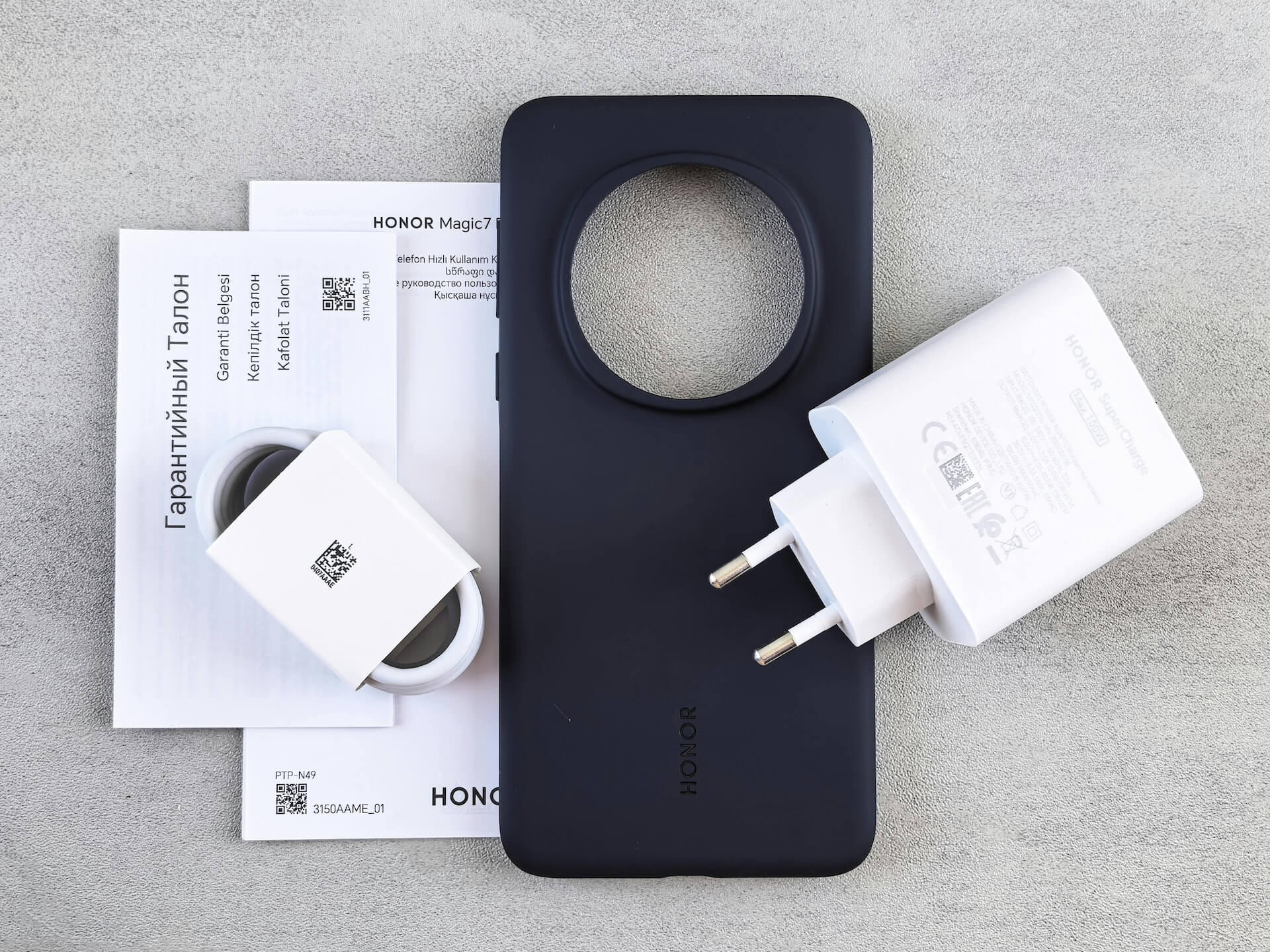
6 Best Compact Wall Chargers for Travel
In an RV, every outlet is prime real estate. Discover 6 compact travel chargers that use multiple ports to power all your devices from a single plug.
Anyone who has spent time in an RV knows the constant dance for outlet space. You find the one available plug, conveniently located behind the dinette seat, only to realize you need to charge your phone, your partner’s tablet, and the portable speaker for tonight’s campfire. Choosing the right wall charger isn’t just a tech decision; it’s a crucial step in making a small space feel functional and uncluttered.
Why GaN Chargers are a Game-Changer for RV Life
If you’ve shopped for a charger recently, you’ve likely seen the term "GaN," which stands for Gallium Nitride. In simple terms, it’s a material that is far more efficient at conducting electricity than the traditional silicon used in older, clunky charging bricks. For RV owners, this isn’t just a technical detail—it’s a massive practical advantage. Because GaN chargers waste less energy as heat, their internal components can be packed much closer together.
This efficiency translates directly into a smaller, lighter, and cooler-running charger. In an RV where every square inch of drawer and counter space is precious, swapping three old chargers for one compact GaN unit is a significant upgrade. Furthermore, a cooler charger is a safer charger, which provides peace of mind in a small, enclosed living area. This technology is what allows a single, pocket-sized device to safely power a laptop, phone, and headphones all from one RV outlet.
Anker 511 Nano 3: Tiny Footprint, Big Power
Consider the small outlet right by the entry door or next to the bed—a spot where a bulky charger would get knocked around or block the adjacent plug. This is where a single-purpose, high-power charger shines. The Anker 511 Nano 3 is a perfect example of this philosophy. It’s often no larger than the tiny 5W charger that used to come with phones, yet it can deliver 30W of power, enough to fast-charge a modern smartphone or even power a tablet or MacBook Air.
The primary tradeoff here is versatility. With only one USB-C port, this is a dedicated charger for a single device. It won’t solve your "command center" charging needs in the kitchen, but it’s an unbeatable solution for specific locations. If you need a permanent, unobtrusive charger for your bedside phone or for the tablet you use for navigation in the cockpit, the Nano 3’s tiny form factor keeps your space tidy and your primary device ready to go.
UGREEN Nexode 65W: Multi-Device Charging Power
For the couple working remotely from their rig or the family trying to keep everyone’s devices topped up, a single-port charger just won’t cut it. The goal is to turn one wall outlet into a charging hub for a laptop, phone, and maybe a watch or e-reader. The UGREEN Nexode 65W is built for precisely this scenario, offering a balanced mix of power and ports in a still-compact package. Typically equipped with two USB-C ports and one older USB-A port, it provides broad compatibility.
The key to using a multi-port charger effectively is understanding that the total wattage—in this case, 65W—is shared among the devices. If you plug in just your laptop, it can draw the full 65W (or close to it). If you add a phone, the charger intelligently splits the power, perhaps sending 45W to the laptop and 20W to the phone. While it’s slightly larger than a single-port charger, its ability to replace three separate power bricks makes it a powerful tool for maximizing a single outlet in the main living area of an RV.
Anker 525: A Charger and Power Strip in One
Sometimes the problem isn’t just about charging phones; it’s about the location of the outlet itself. Many RV outlets are tucked away in inconvenient places, and you often need to power a small appliance like a fan or coffee pot from the same spot you charge your electronics. The Anker 525 Charging Station cleverly combines a multi-port USB charger with a compact power strip, solving two problems at once.
This device plugs into the wall and provides additional AC outlets on its face, along with dedicated USB-C and USB-A ports. Its design is more of a semi-permanent "outlet multiplier" than a portable travel charger. It’s the ideal solution for a kitchen counter or a desk area where you need maximum flexibility. The tradeoff is size; this is the bulkiest option on the list. However, for a high-traffic spot in the RV, its immense utility is well worth the space it occupies.
Spigen ArcStation Pro: The Ultimate Slim Charger
Every RVer has encountered "the impossible outlet"—the one located directly behind the sofa or the headboard of the bed. A standard charger brick sticks out too far, forcing you to pull the furniture away from the wall or risk damaging the cord. The Spigen ArcStation Pro is a specialty charger designed to solve this exact problem with its exceptionally thin, flat profile.
By orienting the ports to face downward, the USB cable runs flush along the wall instead of protruding straight out. This allows furniture to sit almost directly against the outlet without putting stress on the connection. To achieve this slim design, you might be giving up an extra port or the highest possible wattage found in a blockier model. But when the alternative is a completely unusable outlet, the value of this space-saving form factor is immeasurable.
EPICKA Universal Adapter for Cross-Border Travel
If your RV adventures frequently take you from the U.S. into Canada or Mexico, or you dream of shipping your rig overseas, a standard charger won’t be enough. The EPICKA Universal Adapter integrates a powerful GaN charger with a versatile international plug system. With slidable prongs for US, UK, EU, and Australian outlets, it ensures you can plug in almost anywhere in the world. It also includes multiple USB-C and USB-A ports, so you don’t have to carry a separate charger.
This all-in-one convenience comes at a cost of size and price; these are generally the largest and most complex units. It’s also critical to remember that this is an adapter, not a voltage converter. It’s perfectly safe for modern electronics like phones and laptops, which have built-in converters, but it should not be used with simple heating appliances like a hair dryer. For the dedicated world-traveling RVer, this consolidates two essential pieces of gear into one.
INIU 65W GaN: Reliable Power on a Tight Budget
You don’t always have to pay a premium for leading-brand performance, especially when it comes to charging tech. Brands like INIU have built a strong reputation for offering reliable, certified GaN chargers that deliver the same core functionality as their more expensive counterparts but at a significantly lower price. An INIU 65W charger, for instance, will typically provide a similar port layout (two USB-C, one USB-A) and power output as premium competitors.
Where’s the compromise? Often, it’s in the fit and finish or the use of slightly less premium-feeling plastics. The industrial design may be more generic, and long-term durability might be a question for some. However, for the budget-conscious RVer who needs a powerful, multi-device charger that simply works, these brands offer incredible value. They prove that maximizing your outlets doesn’t have to be a major expense.
Matching Wattage and Ports to Your RV Lifestyle
Choosing the right charger isn’t about finding the one with the highest numbers; it’s about matching the specifications to your daily routine. First, consider the power your devices need. A phone fast-charges at around 20-30W, a tablet needs 30-45W, and a modern USB-C laptop requires anywhere from 45W to 100W. A 65W charger is a versatile sweet spot, capable of charging a laptop on its own or a phone and tablet together at high speed.
Next, take an honest inventory of what you need to charge simultaneously. Do you have older devices that still need a USB-A port, or have you fully transitioned to USB-C? Thinking through your specific needs will prevent you from overspending on a charger with more power or ports than you’ll ever use.
- The Solo RVer: A tiny, single-port charger like the Anker Nano 3 is often sufficient for a phone and tablet (charged one at a time).
- The Digital Nomad Couple: A multi-port 65W charger like the UGREEN Nexode is the perfect central hub for two phones and a laptop.
- The Family on the Go: The Anker 525 power strip is a must-have for managing multiple kids’ devices while keeping an AC outlet free.
- The Tight-Space Dweller: For outlets hidden behind furniture, the slim profile of the Spigen ArcStation is the only practical choice.
Ultimately, the best charger is the one that seamlessly fits into your life on the road. A thoughtful, small investment in the right GaN charger can eliminate daily frustrations, reduce clutter, and make your RV’s limited electrical system work much more efficiently for you and your family. Focus on your actual needs, and you’ll find a solution that makes your small space feel that much more like home.


