
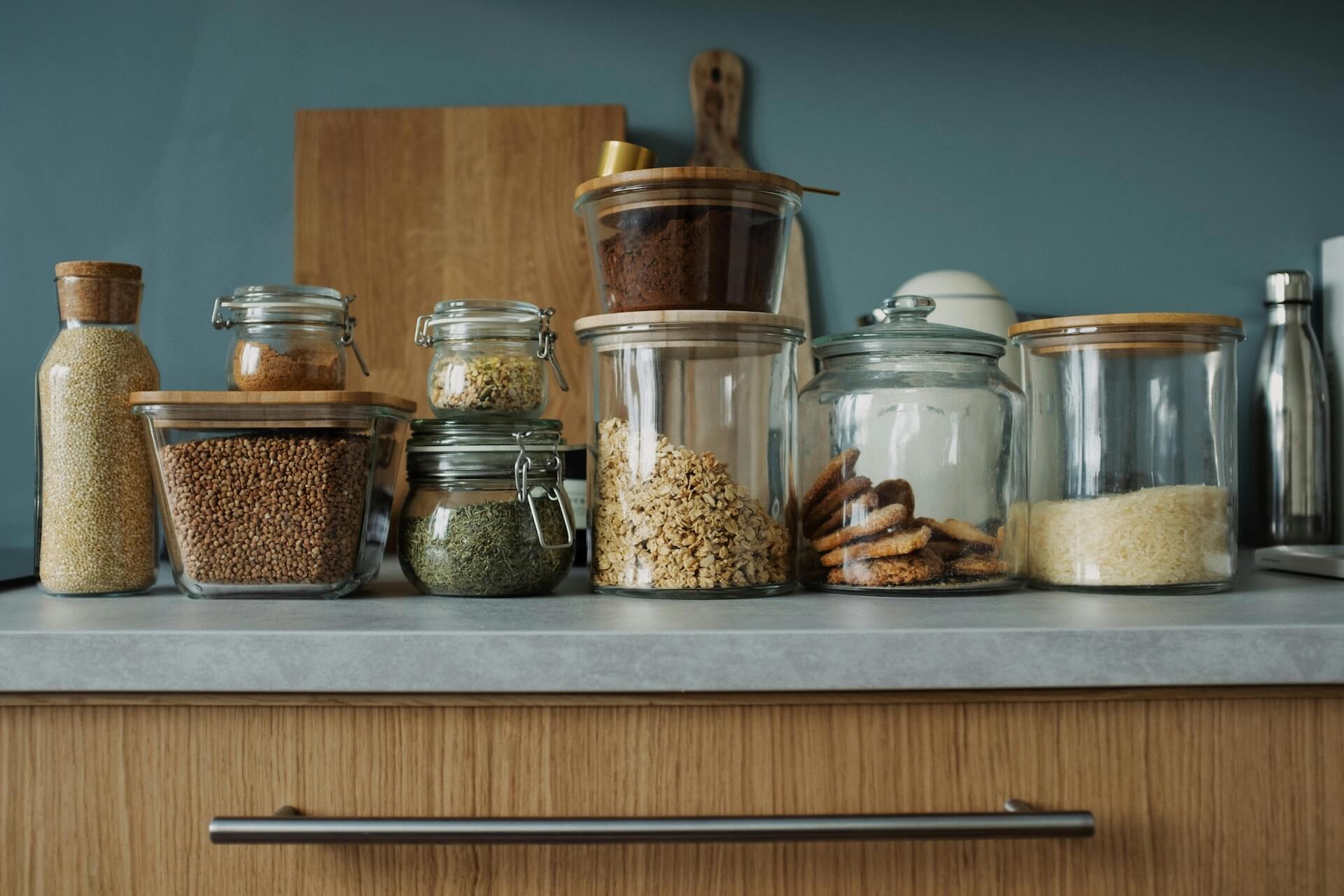
7 Storage Containers For Batch Cooking That Seal Well
Discover the 7 best batch cooking storage containers that seal perfectly. Keep food fresh and organized!
Batch cooking is the secret to reclaiming weeknight evenings, but the effort quickly fades if meals end up freezer-burned or leaked all over the refrigerator shelves. Finding the right storage containers transforms a chaotic kitchen into an efficient system where every meal is preserved perfectly. The following recommendations focus on reliability, longevity, and genuine utility for busy households.
Pyrex Simply Store: The Classic for Reheating
When the goal is moving a meal directly from the refrigerator to the microwave or oven, these glass containers are the gold standard. The thick, tempered glass withstands significant temperature changes without warping or melting like plastic often does over time.
Because they are transparent, identifying leftovers at a glance becomes effortless, which prevents food from being forgotten in the back of the fridge. They do not retain odors or stains from tomato-based sauces, ensuring each dish tastes as fresh as when it was first prepared.
Keep in mind that these lids are made of BPA-free plastic and should generally be hand-washed to maintain their seal integrity. For households that prioritize consistent, high-heat reheating, these remain the most dependable, no-nonsense choice.
Rubbermaid Brilliance: Best for a Leak-Proof Seal
For anyone who transports lunch to work or worries about liquids spilling during the commute, these containers offer an unmatched, airtight seal. The clear Tritan plastic provides the look of glass with the lightweight durability of plastic, making them ideal for crowded cabinets.
The lid design features latches that snap securely into place, creating a barrier that is truly leak-proof. They also stack perfectly, allowing for maximum vertical storage in both small apartment refrigerators and spacious family-sized units.
While the plastic can eventually show wear from dishwasher cycles, the structural integrity of the seal remains robust for years. If a reliable, spill-proof transport system is the primary requirement, these containers are difficult to beat.
Snapware Total Solution: Secure Lids for Soups
Batch cooking often includes stews, soups, or chilies that require a container capable of holding liquid without a single drop escaping. The Snapware system uses four locking tabs combined with a silicone gasket to create a vacuum-like seal that handles soups with ease.
The versatility of this line is notable, as it offers both glass and plastic options that share the same lid dimensions. This compatibility means there is no hunting for the right lid when the kitchen is messy during a cleanup session.
These containers excel in pantries where food might be stacked or stored on its side by accident. The secure locking mechanism provides peace of mind that nothing will leak, even when the container is tilted during transport.
Glasslock Containers: A Durable Freezer-to-Oven Pick
Durability is the hallmark of the Glasslock range, which is engineered to be oven-safe and highly resistant to thermal shock. These containers are excellent for households that bake casseroles or roasted vegetables in bulk and need to freeze them in the same vessel.
Because they are composed of soda-lime glass, they are generally heavier than plastic alternatives, but this weight translates to a solid, premium feel. The snap-lock lids ensure the container stays tightly closed, though they should be removed before putting the base into a high-heat oven.
They are particularly suited for homeowners who prefer to minimize the number of dishes used during a cooking session. By prepping, freezing, and reheating in a single container, the amount of post-dinner cleanup is significantly reduced.
DuraHome Deli Containers: Best Budget-Friendly Option
For those who cook in massive batches—such as big pots of chili or broth for a large family—professional-grade deli containers are the ultimate thrifty solution. They are inexpensive, reusable, and uniform in size, which makes them highly efficient for stacking in a chest freezer.
While they lack the aesthetic appeal of glass, their functionality is legendary in professional kitchens for a reason. They are lightweight, flexible enough to be squeezed into tight freezer corners, and easy to label with a permanent marker.
Because they are so affordable, it is not a catastrophe if one goes missing at a potluck or gets left behind at a friend’s house. These are the workhorses of the kitchen, perfect for high-volume storage where space and cost are the deciding factors.
OXO Good Grips Smart Seal: Easy-to-Close Lids
Sometimes the simplest tasks, like snapping four separate tabs shut, become tedious when the hands are busy or tired after a long day of cooking. The OXO Smart Seal containers feature a unique lid mechanism that closes with a gentle press, making them a top choice for accessibility.
The glass containers feel substantial and high-quality, while the silicone gasket is easily removed for deep cleaning in the dishwasher. This prevents hidden mold or food particles from accumulating, keeping the kitchen environment hygienic.
These containers are designed with a low profile, making them ideal for slide-out refrigerator drawers. If ease of use and long-term sanitation are the top priorities, these are a reliable, user-friendly investment.
ZWILLING Fresh & Save: For Less Freezer Burn
Freezer burn occurs when air reaches the food, causing ice crystals to form and degrade flavor over time. The ZWILLING system uses a handheld vacuum pump to remove air from the container, which significantly extends the shelf life of ingredients and cooked meals.
This system is particularly effective for those who batch cook on weekends and store food for several weeks at a time. The vacuum seal locks in moisture and flavor, effectively pausing the clock on spoilage compared to standard containers.
While the initial investment is higher, the long-term savings from reduced food waste are substantial. For families looking to keep high-quality proteins or complex sauces tasting fresh for the long haul, this is a sophisticated and effective solution.
Glass vs. Plastic: Which is Better for Your Kitchen?
Choosing between glass and plastic is a matter of prioritizing your specific lifestyle needs. Glass is non-porous, meaning it will never stain or absorb the lingering scent of garlic or curry, and it is almost always safer for extreme heat.
Plastic, however, is significantly lighter and essentially shatterproof, making it the superior choice for children or for packing bags that will be carried to an office. Plastic containers also tend to nest more compactly than glass, saving precious shelf space in smaller homes.
Assess the primary use of the containers before deciding on a material. If you mostly store items in the fridge and rely on the microwave for quick heating, plastic is perfectly adequate. If you frequently use the oven or need containers that stay pristine for years, glass is worth the extra cost.
How to Stop Stains in Your Plastic Containers
Staining often happens when oily, tomato-based foods are heated while inside plastic containers, as the high heat causes the plastic to soften and absorb pigments. To mitigate this, wait for the food to cool slightly before storing it, or use a light coating of oil on the inside of the container before adding food.
Another effective trick is to hand-wash plastic containers immediately after use rather than letting them sit in the dishwasher with dirty dishes. Stains that have already set can often be lifted by creating a paste of baking soda and water, letting it sit for an hour, and then scrubbing gently.
Ultimately, accepting that plastic will eventually show its age is part of the trade-off for its convenience. If maintaining a pristine look is essential, consider reserving glass containers for acidic, staining foods and keeping the plastic for salads or dry goods.
Matching Container Size to Your Freezer Space
The biggest mistake in batch cooking is choosing containers that waste space, leading to a disorganized and inefficient freezer. Measure the height and width of your shelves before purchasing, and opt for modular sets that are designed to stack neatly on top of one another.
When selecting sizes, focus on the reality of your household consumption. A single person benefits from smaller 1-cup and 2-cup containers that allow for portioning individual servings, while larger families should prioritize 4-cup to 8-cup containers to minimize the number of items to track.
Avoid “dead air” in the freezer by filling containers as close to the top as possible, leaving just enough room for expansion if the contents contain liquids. A well-organized freezer relies on uniformity, so buying a matched set from a single brand often yields better storage density than mixing and matching random containers.
Equipping a kitchen with reliable containers is not about buying the most expensive items on the market, but rather finding a system that fits your specific rhythm. Focus on durable seals, appropriate sizing for your family, and materials that handle your preferred cooking methods. With these tools in place, batch cooking becomes a sustainable habit rather than a logistical chore.
