7 Best Label Maker Font Cartridges for Creative Projects
Discover the 7 best label maker font cartridges for vibrant creative projects. Elevate your designs—shop now!
Organization transforms a chaotic pantry into a functional space where every item has its place. Choosing the right labeling method goes beyond simple identification, as the texture and aesthetic of the tape significantly impact the final look of a home project. Selecting the correct cartridge ensures that labels remain legible and intact, even in high-traffic areas like the kitchen or home office.
Brother P-touch Pattern Tape for Stylish Jars
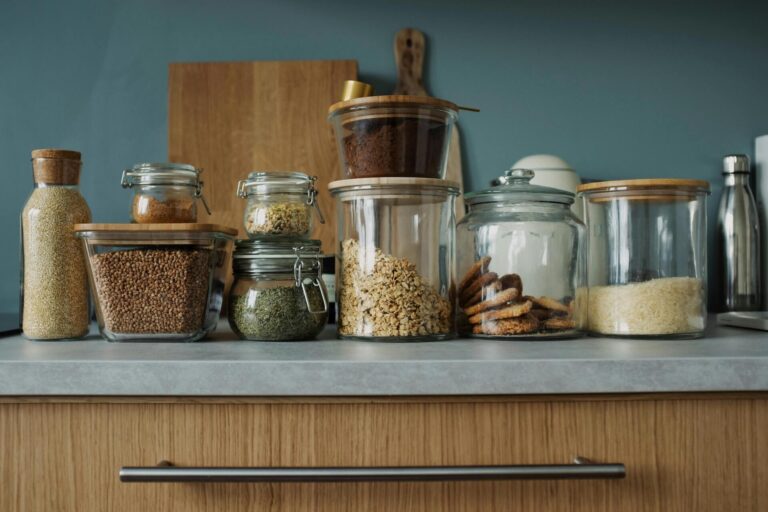
Pantry organization often relies on glass canisters, but standard labels can look industrial and out of place. Patterned tapes from Brother allow for a decorative touch that complements the farmhouse or classic kitchen aesthetic. These designs bridge the gap between utility and home decor, turning a functional storage bin into a styled display piece.
These cartridges work best for homeowners who want their organization to blend seamlessly with interior design. Because they are still durable enough to handle standard pantry temperatures, they offer both beauty and longevity. However, keep in mind that highly patterned backgrounds can reduce contrast, making very small text harder to read.
For the most professional look, pair these tapes with a bold, sans-serif font setting on the label maker. This creates a clean balance between the decorative background and the clear instructional text. They are an ideal choice for open shelving where the labels remain visible to guests.
DYMO D1 Gold on Clear for an Upscale Look
When labeling glass, plastic, or acrylic, clear-backed tape provides a “printed-directly-on-the-surface” appearance. The gold lettering offers a subtle, sophisticated flair that elevates the look of home medicine cabinets or vanity organizers. This option is perfect for those who want their organizational system to feel permanent and intentional.
The D1 series is known for its strong adhesive, which withstands moisture well in bathrooms or laundry rooms. Because the background is transparent, the label essentially disappears, leaving only the text to stand out against the container. This makes it a top pick for minimalist organizers who dislike the look of heavy borders or contrasting tape colors.
Take care when applying these, as clear tape shows every fingerprint or air bubble trapped underneath. Use a flat edge, such as a credit card or dedicated applicator, to smooth the label down firmly. This ensures the adhesive bonds perfectly for a seamless, professional finish.
Brother P-touch Satin Ribbon for Gift Wrapping
Labels are not exclusively for storage bins and files; they also play a role in thoughtful gift-giving. Satin ribbon cartridges allow for personalized messages, names, or dates to be printed directly onto fabric ribbons. This replaces the need for store-bought gift tags and adds a bespoke touch to birthday or holiday packages.
This feature is particularly useful for households that host frequent family gatherings or celebrations. Rather than keeping a messy drawer full of various paper gift tags, a single ribbon cartridge provides a consistent and elegant solution. It is worth noting that ribbon tapes are not adhesive, so they must be tied or secured with a decorative pin.
The heat-transfer process creates a durable imprint that won’t smudge when handled. When printing, always select a slightly larger font size to ensure the text fills the width of the ribbon. This makes the text easier to read against the textured fabric surface.
DYMO LetraTag Iron-On for Custom Fabric Fun
Managing laundry for a large family often results in lost socks, jerseys, or school jackets. Iron-on labels solve this problem by allowing names to be bonded directly to fabric fibers. These cartridges use heat-activated adhesive to create a permanent bond that survives repeated cycles in the washing machine and dryer.
The application is straightforward but requires careful attention to temperature settings. Use a standard household iron on a medium setting without steam to ensure the tape adheres without damaging the underlying garment. Once set, these labels stay firmly in place, even on high-friction areas like collars or cuffs.
Before applying, test the iron on a hidden corner of the garment to ensure the heat won’t scorch the fabric. This method is far more reliable than permanent markers, which tend to bleed or fade over time. It provides a clean, uniform way to keep track of everyone’s belongings in a busy household.
Epson LK-4WBN: A Reliable All-Purpose Choice
Daily utility requires a tape that is durable, affordable, and easy to read in all conditions. The Epson LK-4WBN is a standard black-on-white tape that handles almost any task, from labeling power cords to marking plastic bins in the garage. It is the workhorse of the labeling world, favoring performance over aesthetic flourishes.
The durability of this tape makes it suitable for areas where temperature fluctuations are common, such as an unheated basement or a garage. It resists fading, peeling, and moisture, ensuring that the contents of a box remain identifiable for years. For the budget-conscious homeowner, this is the most practical choice for high-volume labeling projects.
Because it features high contrast, it is the safest bet for anyone who struggles with smaller fonts or low light. While it lacks the decorative appeal of ribbon or patterned tapes, its reliability is unmatched. Keep a spare cartridge of this on hand for all routine household maintenance needs.
Brother P-touch Flexible Tape for Curved Items
Standard rigid label tape often peels when wrapped around small-diameter objects like charging cables or curved storage tubes. Flexible tape is designed to grip tightly around these surfaces without lifting at the edges. This makes it an essential tool for managing the tangled mess of cords behind a television or computer desk.
The chemistry of the adhesive on flexible tape is specifically engineered for “wrap-around” applications. It bends and conforms to the shape of the wire, staying stuck even as the cord is moved or repositioned. This saves time and frustration, as standard tapes usually require a clear piece of packing tape to keep them from curling up.
For best results, clean the surface of the cord with a small amount of rubbing alcohol before applying the label. This removes oils and dust that might interfere with the adhesive bond. Once applied, ensure the label overlaps itself slightly to create a strong, permanent seal around the wire.
Phomemo D30 Clear Tape for a Minimalist Style
Small apartments or dorm rooms often lack the shelf space for bulky labeling systems. The Phomemo D30 system uses a compact, thermal-based printing method that is perfect for tight storage areas. The clear tape option offers a subtle way to label spice jars, cosmetic tubes, and small drawer dividers without visual clutter.
This system is popular because it relies on thermal heat rather than ribbons or ink, which simplifies the maintenance process. The labels are water-resistant and oil-resistant, making them surprisingly resilient for kitchen use. They provide a high-end look at a fraction of the cost of professional labeling services.
Remember that thermal labels can eventually fade if left in direct, intense sunlight for long periods. Store labeled items in cupboards or pantries to ensure the text remains sharp indefinitely. For the cleanest look, align the text to the center and keep the labels as short as possible.
Choosing the Right Label Tape for Your Surface
Selecting the correct adhesive is just as important as choosing the right label color. Rough surfaces, such as textured plastic or woven fabric, require high-tack adhesives to prevent the label from peeling off. Conversely, smooth surfaces like glass or polished wood work best with standard adhesives that can be removed if the organization system changes.
Consider the environment before purchasing a cartridge. If a label is destined for the freezer, look for “cold-storage” tape that won’t become brittle at low temperatures. If the label will be exposed to sunlight, prioritize UV-resistant materials to prevent the text from bleaching out over time.
- Pantry/Kitchen: Use moisture-resistant tapes that can be wiped clean.
- Garage/Basement: Opt for heavy-duty, industrial-strength adhesives.
- Office/School: Prioritize clear, high-contrast black-on-white text for readability.
- Fabric: Use specialized iron-on ribbons for clothing and linens.
Tips for Using Your Label Maker’s Built-In Fonts
Most modern label makers come with a variety of font styles, but more is not always better. Using a simple, clean font ensures that your labels remain legible, even if the label is printed at a very small size. Avoid overly cursive or thin fonts for labels that are meant to be read from a distance.
Take advantage of the frame and symbol functions to add context to your labels, but use them sparingly. A single house icon on a bin of holiday decorations is helpful, but too many symbols on a small label can make the text appear crowded. Consistency is the key to an organized home; try to use the same font and style across a single room.
Check the preview screen before printing to ensure the text is properly aligned. Many devices allow you to adjust the margins, which saves tape by reducing the amount of blank space on either side of the word. Taking five seconds to adjust these settings can save significant amounts of tape over the life of the machine.
A Quick Guide to Common Label Tape Widths
Understanding tape widths is essential to ensure the label fits your specific container. The most common sizes are 1/4 inch, 1/2 inch, and 3/4 inch. Narrow tapes are ideal for slim items like pens, charging cables, or spice jar lids, while wider tapes are better for larger storage bins or clear identification boxes.
If you are unsure which width to choose, 1/2 inch is the most versatile option for the average household. It is large enough to be easily readable but small enough to fit on most standard pantry containers or office supplies. Always check the maximum width supported by the label maker before purchasing new cartridges, as some portable units are restricted to smaller sizes.
Pro-Tip: If you are trying to maximize space, printing two lines of text on a 3/4 inch tape is often more space-efficient than using two separate labels. Ensure that the text size is adjusted so that both lines remain clear. This keeps the labeling system tidy and reduces the total amount of waste generated.
Effective labeling is a balance of function and style that adapts to the changing needs of the home. By matching the right tape cartridge to the specific surface and environment, any space can become a well-organized sanctuary. Focus on quality and utility, and the benefits of a tidy home will far outweigh the time spent on the setup.