
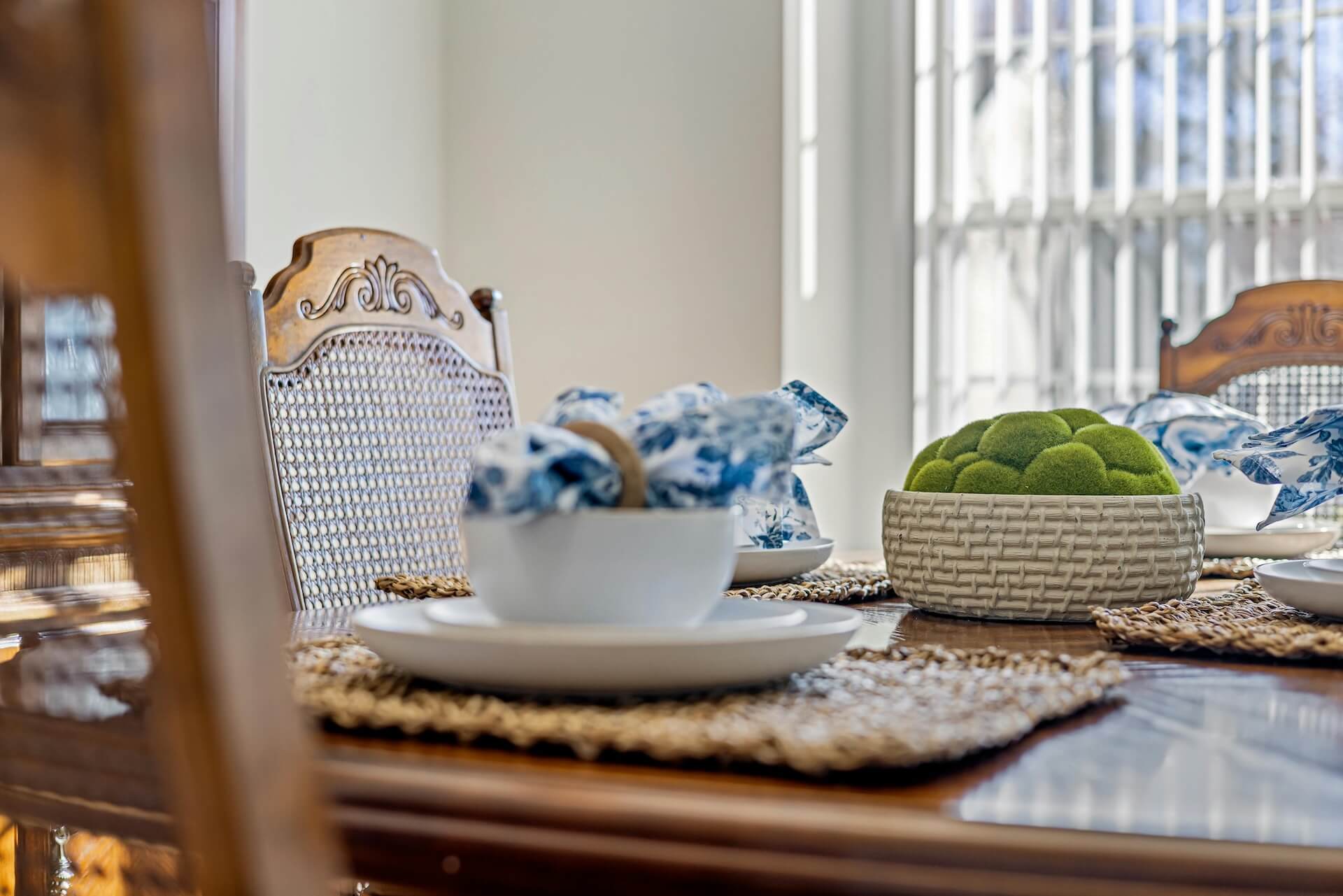
7 Decorative Table Runners For Seasonal Decor Ideas
Elevate your seasonal decor with 7 stylish table runners. Find your perfect look today and transform your dining space!
Transforming a dining space often starts with a simple layer of textile that anchors the room’s aesthetic. A well-chosen table runner bridges the gap between everyday utility and seasonal celebration without the need for a full decor overhaul. Selecting the right piece requires balancing personal style with the practical realities of a busy household.
DII Burlap Table Runner: Best for Rustic Fall Charm
When the autumn season arrives, bringing warmth to a dining table often starts with texture. Burlap provides a distinct, organic feel that works exceptionally well with pumpkins, dried wheat, or brass candlesticks. It is an ideal choice for homeowners who prefer a cozy, farmhouse-inspired environment.
However, burlap comes with unique trade-offs. The weave is inherently loose and prone to shedding, which can be challenging to manage on polished wood surfaces. Always use a protective pad underneath if the finish is delicate to avoid scratches from the abrasive fibers.
For families with young children, this material may prove difficult to maintain. Spills do not wipe away easily, and machine washing often ruins the structure of the fabric. The bottom line: use this runner for decorative staging or adult-only dinners where ease of cleaning is not the primary priority.
Artoid Mode Buffalo Check: For Year-Round Holidays
The buffalo check pattern has moved beyond simple cabin decor to become a staple of versatile home styling. Because it is available in various colorways, it transitions seamlessly from summer picnics to winter holiday gatherings. This makes it a smart investment for households with limited storage space.
These runners are typically made from polyester or cotton blends, which prioritize durability over high-end texture. They handle the inevitable rigors of daily use—like juice spills or craft projects—far better than delicate specialty fabrics. Most can be tossed directly into the washing machine without losing their shape or vibrancy.
If the goal is a stress-free table that handles constant turnover, synthetic blends in this pattern are unmatched. They offer a reliable, low-cost solution that looks put-together regardless of whether the occasion is a casual Tuesday night dinner or a birthday celebration.
Saro Lifestyle Hemstitched Runner: For Formal Dining
When the occasion calls for refinement—perhaps for Easter brunch or a milestone anniversary—the clean lines of a hemstitched runner provide an air of sophistication. The subtle detail of the hem adds architectural interest to the table without distracting from the centerpiece. It serves as an elegant backdrop that lets fine china or silver really shine.
Because these are usually crafted from quality cotton or poly-blends, they offer a crisp, pressed look that elevates the room’s overall tone. They are lighter in weight than jacquards, making them easy to drape over the sides of the table for a graceful silhouette.
The trade-off here is maintenance. To keep this look professional, ironing is usually non-negotiable after washing. For those who prioritize a polished aesthetic over “wash-and-wear” convenience, the time spent with an iron is a worthy investment.
Pottery Barn Plaid Runner: For a Timeless Winter Classic
Winter decorating often feels like a balancing act between festive cheer and clutter. A classic plaid runner provides an immediate sense of seasonal tradition without requiring additional knick-knacks or tabletop ornaments. It acts as the primary decorative anchor, allowing the rest of the table to remain simple and functional.
These runners often feature heavier, weightier fabrics like wool blends or brushed cotton. This construction offers a premium feel that grips the table well and resists bunching. For families that host large gatherings, a heavier runner stays in place even when guests are moving around the table.
When purchasing, look for color palettes that coordinate with existing dinnerware. A deep red or green plaid can be reused for years, making it a sustainable, timeless choice for the household. Just remember that thicker materials require more shelf space when the season concludes.
Hearth & Hand Jute Runner: For a Natural Spring Look
As the house transitions out of winter, lighter textures bring a sense of freshness to the dining area. A jute runner provides a natural, neutral foundation that complements spring florals and greenery perfectly. It adds depth to a table without overpowering the bright, airy light of the season.
Jute is essentially a heavy-duty, fibrous material that holds up well to high-traffic areas. It is far more durable than lace or silk, making it suitable for households with pets or active residents. Because it is highly textured, it hides crumbs and minor dust better than smooth fabrics.
Be aware that jute is not designed to be machine washed. If a significant spill occurs, spot cleaning is the only option, which can leave a visible ring. Treat this as a base layer for seasonal decor rather than a functional placemat replacement.
Williams Sonoma Jacquard Runner: An Elegant Splurge
When the dining table serves as the central hub for major family events, a jacquard runner offers a level of durability and pattern complexity that mass-market options cannot match. The patterns are woven directly into the fabric rather than printed on, ensuring they won’t fade or crack over time. This makes them a high-value item for frequent entertainers.
The fabric quality in a jacquard is typically superior, providing a heft and drape that stays flat on the surface of the table. This is especially helpful for those who dislike runners that curl at the ends or shift during meals. You are paying for the longevity of the weave and the precision of the design.
While the upfront cost is higher, the cost-per-use over ten years is often lower than replacing cheaper runners every season. This is a practical choice for the homeowner who prefers to buy once and enjoy for a lifetime.
Solino Home Linen Runner: Best for Everyday Summer
Linen is the ultimate material for summer, offering a relaxed, breathable aesthetic that feels cool and inviting. It is the perfect choice for an open-concept living area where the kitchen and dining space share a visual footprint. The slightly rumpled, casual look of high-quality linen is actually part of its intended charm.
For everyday use, linen is surprisingly resilient. It absorbs moisture well and actually becomes softer with each laundering cycle. It works well for small apartment dwellers who want to elevate their dining area without creating a formal, “stiff” environment.
- Pro Tip: For a relaxed look, avoid heavy ironing.
- Maintenance: Toss it in a gentle wash cycle and let it air dry to preserve the natural fibers.
- Versatility: It pairs equally well with rustic stoneware or modern, sleek dinnerware.
How to Choose the Right Runner Length for Your Table
Finding the perfect fit is just as important as choosing the right material. A runner that is too short looks awkward, while one that hangs too far down the sides can be hazardous if caught by a passing guest. Aim for a length that allows 6 to 12 inches of overhang on each side of the table.
- For Round Tables: A shorter runner that stretches across the diameter is standard, but you can also cross two runners to create an ‘X’ shape for a modern look.
- For Expandable Tables: If the table grows for holidays, invest in two matching shorter runners that can be placed end-to-end when the leaf is inserted.
- For Small Spaces: Stick to runners that stop right at the edge of the table to keep walkways clear and prevent the room from feeling cramped.
Always measure the tabletop length before shopping. If the table is glass or metal, ensure the runner has a non-slip backing or that you have a protective pad to prevent movement.
Caring for Your Runners: Cotton vs. Linen vs. Jute
Different fabrics require different handling to ensure they survive past the first season. Cotton is the workhorse of the home; it handles high-heat cycles and frequent washing with ease. Just be mindful of shrinkage; always check the label for pre-shrunk cotton if you want to avoid a runner that suddenly fits the wrong proportions.
Linen should be treated with a bit more grace. Use cool water and mild detergent to prevent the fibers from becoming brittle. If you want that crisp, hotel-like look, iron it while the fabric is still slightly damp, but accept that a bit of wrinkling is part of the natural aesthetic.
Jute is the outlier that requires the most caution. Because it is a plant-based, woven fiber, moisture is its enemy. Never soak a jute runner; simply shake it out or use a soft-bristled brush to remove dust and crumbs. Storing it rolled rather than folded prevents permanent creases that are almost impossible to fix.
Storing Seasonal Linens to Keep Them Looking New
Proper storage determines whether your seasonal linens come out looking fresh or wrinkled and dusty. The biggest mistake is folding runners tightly, which creates deep, sharp creases that break the fibers over time. For best results, roll your runners around a cardboard tube, similar to how wrapping paper is stored.
If space is limited, use flat storage in a low-traffic drawer or a dedicated linen box. Always ensure the runners are freshly laundered and completely dry before storing; any trapped moisture or food particles will attract pests or cause mildew in the off-season. Keep these boxes in a climate-controlled area, avoiding damp basements or hot attics.
Labeling your storage containers by season saves immense frustration when it is time to switch out the decor. By keeping these textiles clean, dry, and protected, you ensure they remain a reliable part of your home’s seasonal rotation for years to come.
Selecting the right table runner is about finding the balance between the aesthetic you desire and the reality of your daily household traffic. By prioritizing materials that suit your cleaning habits and storage capacity, you can keep your home feeling refreshed all year long.

