7 Best Decorative Centerpieces For Rustic Farmhouse Dining
Find 7 charming decorative centerpieces for your rustic farmhouse dining table. Transform your space today!
A dining table often serves as the central hub of a home, acting as a workspace, a homework station, and a gathering point for meals. A well-chosen centerpiece anchors the room, transforming a functional surface into a welcoming focal point that reflects a cohesive design aesthetic. Selecting the right decorative piece requires balancing aesthetic appeal with the practical demands of a high-traffic family environment.
Hearth & Hand Wood Trough: Best for Long Tables
When a dining table spans six feet or more, a single small vase often disappears, leaving the room feeling unbalanced and bare. A wooden trough provides the necessary visual weight to anchor a lengthy surface, bridging the gap between open ends. These pieces are particularly effective for large family gatherings where the table needs to feel “dressed” even when it is not currently set for a meal.
The primary benefit of a wooden trough lies in its modularity. Because of the long, shallow basin, it can hold varied items like greenery, seasonal gourds, or taper candles without feeling cluttered. For households with children or pets, the sturdiness of wood is a safer, more durable alternative to fragile ceramic or thin glass.
- Best for: Rectangular farmhouse tables or kitchen islands.
- Maintenance Note: Keep the wood conditioned with a light, food-safe oil if using for fresh fruit to prevent staining.
- Bottom Line: A long trough is a low-maintenance, high-impact choice for anyone wanting a permanent centerpiece that requires minimal rearranging.
Deco 79 Tiered Tray: Best for Vertical Display
Small apartments or homes with limited surface area often suffer when a large centerpiece occupies too much valuable eating space. A tiered tray solves this by utilizing vertical height, allowing for significant visual interest on a surprisingly small footprint. This is an ideal solution for those who enjoy rotating decor for every holiday or seasonal shift.
The challenge with tiered trays is avoiding a “cluttered” appearance, which can happen quickly if too many small trinkets are packed into one space. To maintain a clean look, anchor the bottom tier with larger base items and reserve the top tier for smaller, delicate accents. This structure keeps the table feeling organized rather than chaotic.
- Best for: Compact dining nooks or circular tables where surface space is limited.
- Daily Use: If the tray needs to be moved frequently to make room for school projects or craft time, ensure the model has a sturdy, central handle for easy transport.
- Bottom Line: The tiered tray is the ultimate tool for those who crave constant variety without sacrificing their entire table surface.
Creative Co-Op Lanterns: Best for Cozy Ambiance
Lighting plays a critical role in setting the mood for dinner, but permanent fixtures are not always enough to achieve a warm, intimate glow. A pair of rustic lanterns placed at the center of the table mimics the feel of a flickering fireplace, providing a soft, ambient light that elevates a standard weeknight meal. This choice is especially popular during the darker winter months.
Safety remains the most important consideration when working with lanterns, especially in households with energetic children. While traditional candles offer a classic look, battery-operated LED pillars are now sophisticated enough to provide the same flickering effect without the fire hazard or messy wax drips. This trade-off between traditional aesthetics and modern safety is almost always worth the peace of mind.
- Best for: Creating a romantic or calming atmosphere during evening meals.
- Pro Tip: Choose lanterns with glass panels that are easily removable; this makes cleaning dust or accidental spills much faster.
- Bottom Line: If the goal is ambiance rather than pure decoration, a set of lanterns provides the best return on investment for the atmosphere of a room.
Mud Pie Dough Bowl: Best Versatile Accent Piece
Dough bowls are perhaps the most iconic element of the modern farmhouse aesthetic, prized for their weathered, organic look. Because of their handcrafted nature, no two bowls are identical, adding a layer of texture to a dining room that mass-produced plastic or metal items simply cannot match. Their shallow design allows them to sit comfortably on a table without obstructing the line of sight for people sitting across from one another.
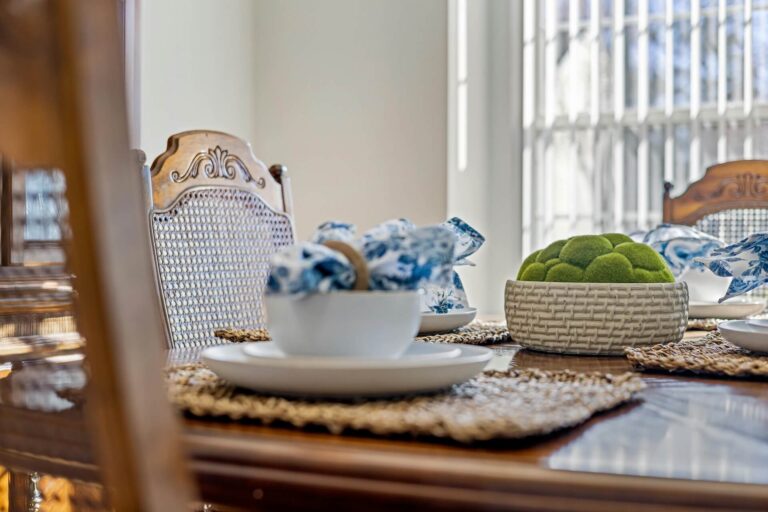
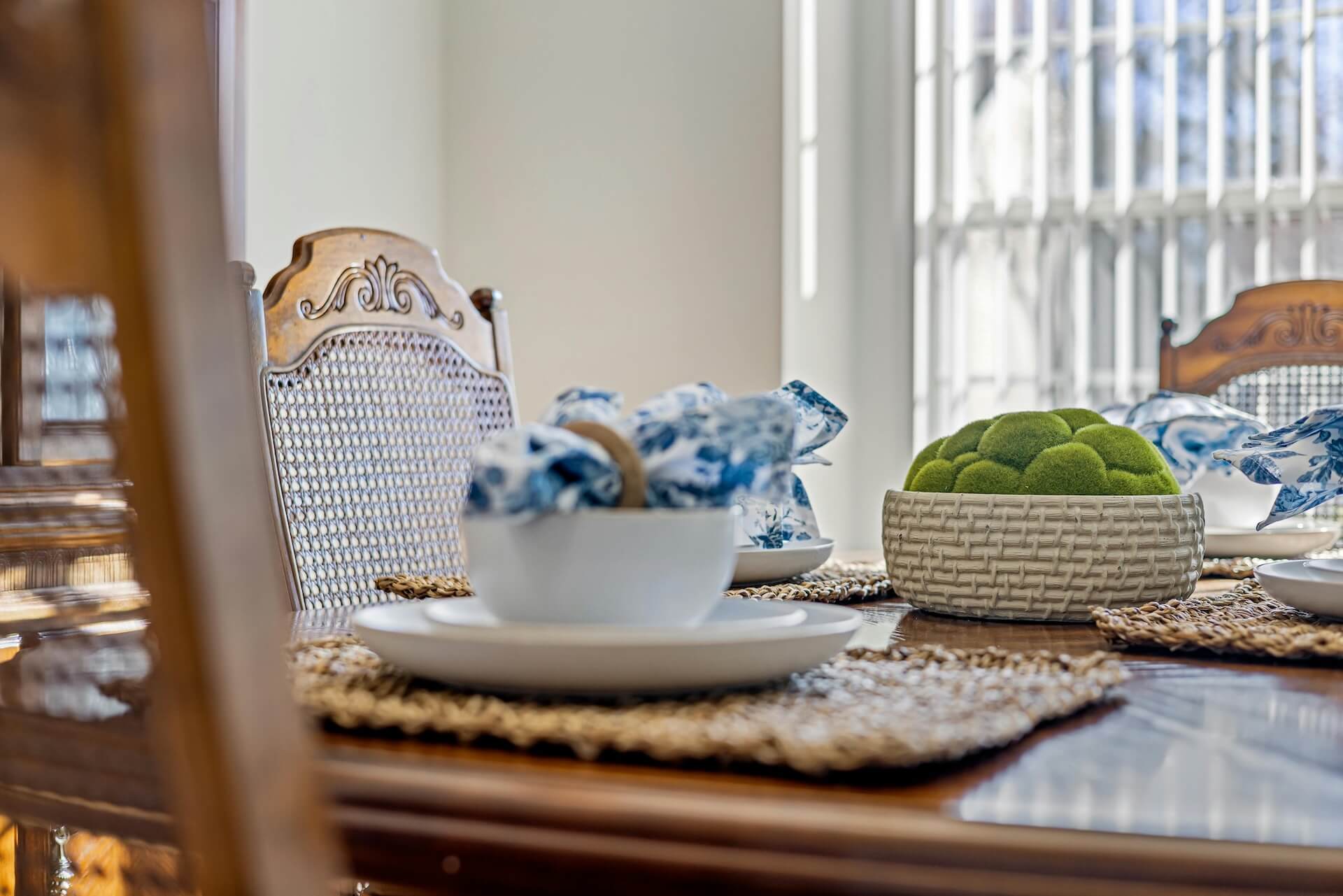
Versatility is the standout feature here, as these bowls transition easily from a display of pinecones in winter to fresh lemons or moss balls in the summer. They are heavy enough to stay put during daily use but light enough to be shifted to a sideboard when the table needs to accommodate a large spread of food.
- Best for: Those who prefer a natural, lived-in, and authentic aesthetic.
- Storage: Because they are wide, consider the storage space available in nearby cabinets when the bowl needs to be cleared for a large dinner party.
- Bottom Line: A dough bowl is a timeless investment piece that provides the most flexibility for seasonal styling.
Ball Mason Jar Caddy: A Simple, Timeless Classic
For a household that values function as much as form, a mason jar caddy is a reliable, utilitarian choice. This piece captures the “country kitchen” essence perfectly while remaining practical enough to hold fresh herbs, flatware for outdoor dining, or floral cuttings from the yard. It bridges the gap between home decor and functional household storage.
The beauty of the caddy lies in its accessibility and ease of cleaning. Glass jars can be put through the dishwasher, and the metal frame can be wiped down with a damp cloth, making it one of the most hygienic options for a surface where food is served. It is a no-nonsense solution that works just as well in a city apartment as it does in a rural farmhouse.
- Best for: Busy families who need a centerpiece that is easy to sanitize.
- Usage: Use individual jars for separate items, such as straws, napkins, and cutlery, to simplify setting the table for outdoor or buffet-style meals.
- Bottom Line: When practicality and cleanability are the top priorities, nothing outperforms the classic mason jar caddy.
Behrens Galvanized Tray: Best for Industrial Edge
Galvanized steel offers a sharp, modern contrast to soft wood grains and fabric upholstery, providing an industrial touch that keeps a farmhouse theme from feeling too “country.” A galvanized tray serves as an excellent base for other decorative items, creating a designated “landing zone” that keeps small decor from floating around the table.
This material is exceptionally durable, making it an excellent choice for homes with high-traffic dining rooms. It resists warping, scratching, and denting, which is a major advantage over painted wood or fragile ceramics. It is a workhorse of a decorative piece that handles daily wear and tear without losing its character.
- Best for: Homes with children or high-traffic dining areas where durability is paramount.
- Maintenance: Use a soft, dry cloth for dusting; avoid harsh chemicals that might dull the galvanized finish over time.
- Bottom Line: Choose a galvanized tray if you want a rugged, low-maintenance piece that can take a beating while still looking intentional.
Nearly Natural Olive Arrangement: Best Year-Round
Living in a region with long, harsh winters often makes it difficult to keep fresh flowers on the table, leading to frequent trips to the store or a bare table for months. A high-quality faux olive tree or branch arrangement offers the vibrancy of greenery without the need for sunlight or water. It provides a crisp, Mediterranean-inspired look that remains consistent throughout every season.
When purchasing faux greenery, prioritize options with “real-touch” leaves or wired stems that can be shaped to look natural. Lower-quality plastic greenery can appear shiny or artificial, which detracts from the farmhouse vibe. While a high-quality arrangement may cost more upfront, the fact that it requires zero maintenance and lasts for years makes it a very economical choice in the long run.
- Best for: Homeowners who want a professional, designer-styled look without the upkeep of live plants.
- Cleaning: Use a hairdryer on a cool setting once a month to remove dust from the foliage, keeping the look fresh and realistic.
- Bottom Line: This is the best set-it-and-forget-it solution for those who want a polished, green home environment year-round.
How to Size a Centerpiece for Your Dining Table
Selecting the right size is the most common mistake made in centerpiece placement, often resulting in pieces that look too small or overwhelm the space. A good rule of thumb is to ensure the centerpiece occupies roughly one-third of the total length of the table. This allows enough room for place settings on either side while maintaining a sense of proportion.
Height is equally important, especially for those who enjoy conversation during dinner. Avoid anything taller than 12–15 inches at the center of the table, as this creates a visual barrier that forces guests to lean around the decor. If you desire height, opt for slender items like tall candlesticks or thin vases that allow the eye to see through the centerpiece.
Filling Your Centerpiece for Every Season
The key to keeping a centerpiece interesting is having a “base” item—like the dough bowl or tray—and rotating the “filler.” For spring, lean into fresh colors like sage greens and soft yellows using faux moss or dried florals. Summer calls for textures like woven rattan, shells, or glass accents that feel light and airy.
As the weather cools, transition your fillers to deeper, warmer tones such as dark oranges, browns, and metallic finishes. Pinecones, mini pumpkins, and velvet-covered balls work exceptionally well during the autumn months, while candles and winter greenery are perfect for the holiday season. The goal is to keep the base structure consistent while the contents reflect the current time of year.
Wood vs. Metal: Which Material Suits Your Home?
Choosing between wood and metal often comes down to the rest of the room’s furniture. Wood brings warmth and softness, making it ideal for rooms with a lot of cold, hard surfaces like tile floors or glass windows. If the room feels a bit too “stiff” or formal, a wooden dough bowl or trough will immediately help ground the space and make it feel more inviting.
Metal, by contrast, adds clarity and definition to a room that might otherwise feel cluttered or too soft. It works wonders in spaces with lots of fabric, such as upholstered dining chairs or heavy curtains, providing a clean, hard surface to balance the textures. Consider your lifestyle as well; wood requires occasional conditioning to avoid cracking in dry climates, while metal is largely indifferent to humidity or temperature shifts.
A well-chosen centerpiece is more than just a decoration; it is the final touch that makes a house feel like a home. By prioritizing durability and ease of maintenance, you ensure that your dining area remains both beautiful and functional for the years ahead. Focus on these practical solutions, and you will find that a little intentionality goes a long way toward creating a space you truly enjoy using every single day.