
7 Best Emergency Roadside Kits For Family Safety
Ensure family safety on the road. Discover the 7 best emergency roadside kits and be prepared for any situation. Shop now!
A sudden flat tire on a deserted stretch of highway or a dead battery in a grocery store parking lot transforms a mundane errand into a stressful ordeal. Having the right tools on hand allows a family to regain control of the situation without waiting hours for professional help. These seven emergency kits offer varying levels of preparedness to ensure safety and peace of mind on every drive.
AAA 76-Piece Kit: Most Trusted Name on the Road
When name-brand reliability is the primary concern, this kit stands as a benchmark for roadside readiness. It covers the essentials without overwhelming the driver with obscure tools that rarely see use.
The selection includes high-quality jumper cables, a reflective vest, and basic tools suitable for most drivers. It is an ideal starting point for a college student’s first car or a secondary family vehicle.
While it lacks some of the specialized medical supplies found in larger sets, it provides a stable foundation for mechanical emergencies. The bottom line: this kit is perfect for those who prioritize proven brand reputation over raw piece count.
First Secure 172-Piece Kit: For Total Peace of Mind
Families traveling with small children or elderly relatives often require a broader safety net than a standard automotive kit provides. This expansive set balances mechanical assistance with a deep array of first-aid supplies.
Beyond the standard jumper cables and screwdrivers, the inclusion of bandages, sterile pads, and trauma supplies makes this a dual-purpose safety solution. It serves as both a roadside fix-it station and a portable medical supply chest.
The sheer volume of items makes this kit somewhat bulky, requiring dedicated trunk space. Choose this option if the goal is to be prepared for the widest possible range of minor accidents and mechanical hiccups.
Lifeline Excursion Bag: Best for Long Family Road Trips
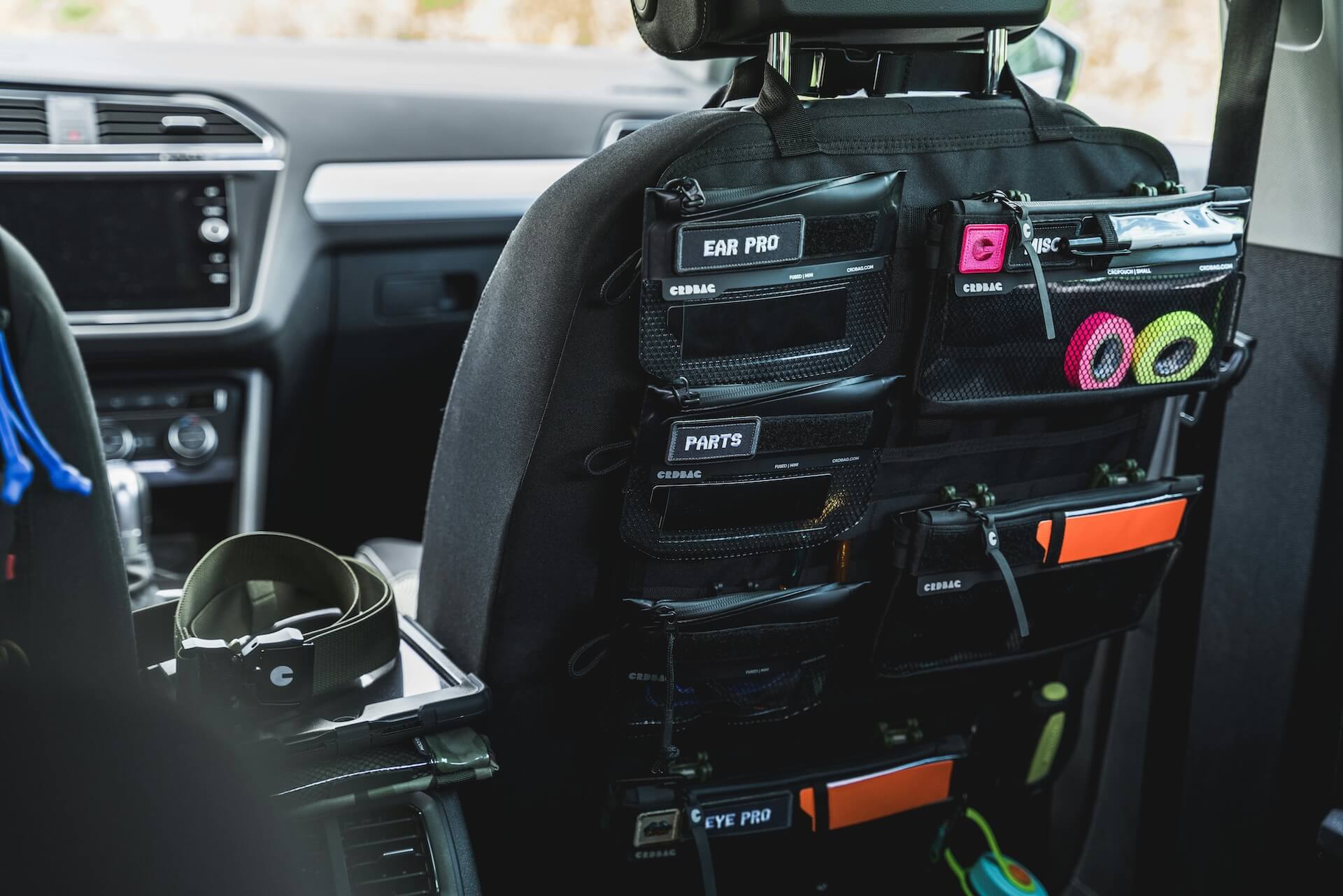
Road trips demand a different level of preparedness, especially when navigating remote areas or planning for overnight stays in the vehicle. The Lifeline Excursion Bag is organized into a soft-sided, durable case that fits easily behind a seat.
This kit emphasizes versatility, featuring a mix of comfort items and emergency gear that keeps a family mobile longer. It is designed to handle common issues like low tire pressure or minor cuts during long hauls.
Because the components are neatly compartmentalized, items remain accessible during high-stress situations. It is the best choice for families who want a grab-and-go solution that doesn’t take up the entire cargo area.
Ready America Auto Kit: A Simple, No-Fuss Essential
Some homeowners prefer a minimalist approach, avoiding the clutter of kits that include redundant items. The Ready America Auto Kit focuses strictly on the most frequent roadside emergencies, such as power loss or visibility issues.
This kit provides a reliable flashlight, a signal banner, and basic tools without the bulk of a 100-piece set. It is exceptionally easy to stow in a small sedan or a cramped hatchback where cargo space is at a premium.
This is not the kit for someone looking to perform complex engine repairs. It is, however, the ideal choice for a daily commuter who wants the assurance of basic safety without the weight of unnecessary hardware.
Cartman 148-Piece Set: Best for DIY Roadside Fixes
When the goal is to handle minor mechanical adjustments—like tightening a loose battery terminal or changing a belt—the Cartman 148-piece set offers the necessary hardware. It functions less like an emergency-only kit and more like a mobile toolbox.
The inclusion of a robust selection of sockets and bits makes this a favorite for families comfortable with light vehicle maintenance. It provides the utility of a garage toolset in a portable, weather-resistant case.
The tradeoff here is weight and organization; with so many pieces, users must ensure the latches are secure before driving. Keep this in a stable trunk tray to prevent the pieces from rattling during turns.
EverBrite 9-in-1 Tool: The Compact Glovebox Option
For those who live in apartments or drive compact vehicles where a trunk kit is simply impossible, the EverBrite 9-in-1 tool is a brilliant compromise. It fits neatly into a glovebox or a door pocket, keeping critical functions within reach.
It combines essential light sources and emergency signaling in one handheld unit. While it will not jump-start a car, it ensures that a driver can see the engine bay and be seen by other motorists at night.
Think of this as a supplemental piece of gear rather than a replacement for a full kit. It is a vital companion for anyone who believes that the best tool is the one that is actually accessible during an emergency.
HAIPRIK 142-Piece Kit: For All-Weather Durability
Weather conditions like freezing rain or high humidity can degrade the contents of standard emergency kits over time. The HAIPRIK kit is designed with a focus on durable, rust-resistant tools and a moisture-shielded carrying case.
This kit is particularly well-suited for families living in areas with harsh seasonal shifts or high moisture levels. The internal organization keeps the components dry and ready, even if the case is stored in a drafty garage or a damp trunk.
The value here lies in the long-term integrity of the equipment. It requires less frequent inspection than budget kits, making it a reliable “set it and forget it” solution for busy households.
Your Roadside Kit Checklist: What You Truly Need
Regardless of which brand is chosen, a functional kit must include a few non-negotiable items. Jumper cables are the most critical component, followed closely by a bright LED flashlight with extra batteries.
A basic first-aid kit should be tucked inside, covering minor scrapes, burns, and allergic reactions. Do not overlook items like a reflective triangle or signal flare, which are essential for alerting other drivers when a vehicle is stalled in low visibility.
- Tire pressure gauge: Ensures safety before a long drive.
- Work gloves: Essential for handling dirty mechanical parts.
- Emergency blanket: Provides vital warmth if the car heater fails.
- Zip ties and electrical tape: Useful for temporary fixes on loose parts.
Storing Your Kit: Trunk, Seat, or Glove Compartment?
Storage location dictates how quickly a kit can be deployed during a crisis. If the trunk is filled with strollers or groceries, the kit should be secured in a mesh organizer to prevent it from sliding into the corners.
For compact vehicles, consider a slim kit that can be tucked under the front passenger seat. This keeps it off the floor while remaining within arm’s reach for both the driver and the passenger.
Avoid leaving heavy kits in the passenger cabin unsecured, as they can become dangerous projectiles during hard braking. Always prioritize a location that is easily accessible even when the vehicle is fully loaded for a trip.
How to Check and Refresh Your Kit Twice a Year
An emergency kit is only as good as the state of its contents. Establish a routine of checking the kit every six months, ideally when changing the clocks for Daylight Saving Time.
Check that the batteries in flashlights have not corroded and that medications or antiseptic wipes have not expired. Test the jumper cable clamps for rust and ensure the fabric of the kit hasn’t frayed or developed holes.
Use this time to replenish items used during minor, day-to-day tasks. A well-maintained kit provides the confidence that, when the unexpected happens, the equipment will be ready to perform.
A well-stocked emergency kit acts as a vital insurance policy for your family’s travel safety and comfort. By selecting a kit that matches your vehicle’s storage capacity and your personal comfort level with basic repairs, you are investing in peace of mind for every mile driven. Keep the kit maintained, stay prepared, and travel with confidence knowing that a solution is always within reach.
