
7 Best Acoustic Panels For Loud Game Rooms That Absorb Sound
Silence your game room! Discover 7 top acoustic panels that absorb sound effectively. Upgrade your audio experience now.
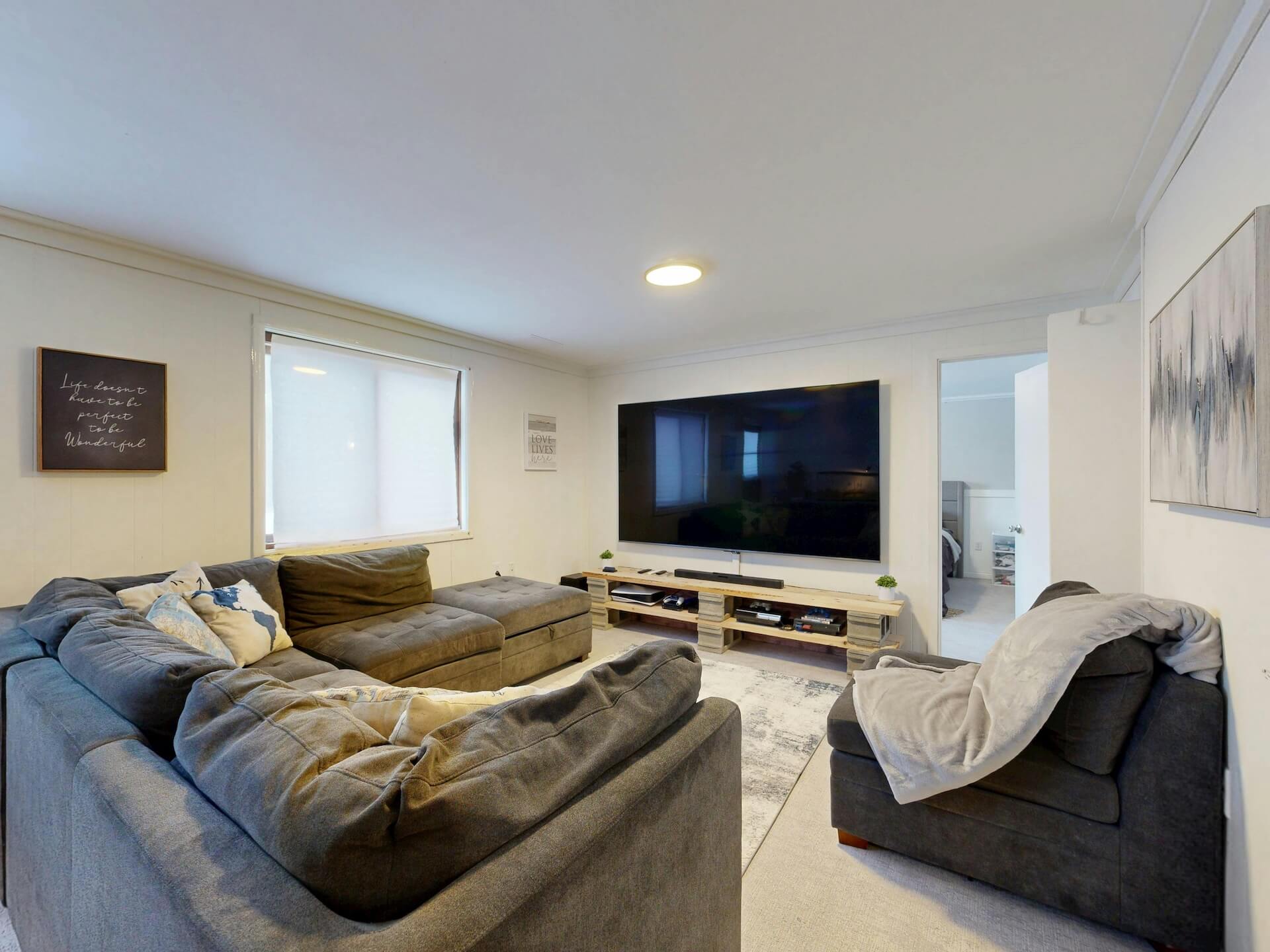
Transforming a spare bedroom or basement into a dedicated game room often results in an unexpected noise issue that leaks into the rest of the house. Sound waves bouncing off hard surfaces create a harsh echo that makes every shout and explosion feel overwhelming during long play sessions. Integrating acoustic panels is the most effective way to tame this ambient noise without requiring a full renovation of the home.
Owens Corning 703: The Reliable DIY Choice
For homeowners who prioritize performance over pre-packaged convenience, Owens Corning 703 is the industry standard. These rigid fiberglass boards offer exceptional sound absorption across a wide range of frequencies, making them ideal for heavy-duty gaming setups where bass and loud audio are constant.
Because these come as raw industrial boards, they require a bit of manual effort to look presentable in a living space. Building custom wood frames and wrapping them in breathable fabric is the standard approach for a clean, professional finish.
The bottom line is that this option provides the highest quality sound dampening for the investment, provided there is time available for a weekend DIY project. It remains the top choice for those who want studio-grade acoustics at a fraction of the cost of pre-built units.
Acoustimac DMD: For a Finished, Fabric Look
If the goal is a sleek appearance that complements existing home decor, Acoustimac DMD panels are the go-to solution. These arrive professionally wrapped in high-quality acoustic fabric, allowing for immediate installation without the need for additional materials or construction work.
These panels are particularly well-suited for family rooms where aesthetics matter as much as audio quality. They provide a sophisticated, uniform look that hides the utilitarian nature of the sound-absorbing material underneath.
While the price point is higher than DIY solutions, the value lies in the time saved and the polished final result. These panels are a practical choice for homeowners who want an immediate, “out of the box” solution that looks like an intentional design feature.
ATS Acoustic Panels: For Covering Large Walls
When a large basement wall requires broad sound management, ATS Acoustic Panels are the most efficient option for covering significant surface area. They come in various sizes and colors, making it simple to create a consistent look across a wide span of wall space.
These panels are built with a solid frame and high-density mineral wool, providing durability that holds up well in high-traffic households. Because they are designed to be mounted easily, they are a frequent choice for those looking to outfit a larger room without professional installation.
Choosing these panels effectively reduces the “boomy” quality often found in larger, unfurnished rooms. It is a reliable, mid-range investment for anyone seeking to quickly improve the audio environment of a large game room.
TroyStudio Panels: The Easiest Peel-and-Stick
Renters or homeowners who prefer to avoid drilling holes in walls will appreciate the convenience of peel-and-stick options like TroyStudio panels. These are lightweight and designed for a simple application process that doesn’t damage drywall or paint.
While they do not offer the same heavy-duty dampening as thicker fabric-wrapped panels, they are highly effective at reducing high-frequency flutter echoes. They are perfect for small gaming nooks or behind a monitor setup where space is limited and wall mounting heavy objects is not an option.
Practicality is the main draw here, as these can be installed in minutes by a single person. They are an honest, low-commitment solution for improving sound clarity without a permanent footprint.
SoundAssured Foam: Best Budget Sound Dampening
SoundAssured foam is a practical pick for those who need to address room acoustics on a tight budget. While foam lacks the density of fabric-wrapped fiberglass, it is highly effective at absorbing the harsh reflections that make game rooms feel overly noisy.
This material is exceptionally lightweight, meaning it can be secured with simple double-sided tape or command strips. It is an ideal starting point for a household looking to experiment with acoustic treatment without a significant financial commitment.
Be aware that foam is less effective at blocking sound from leaving the room compared to heavier panels. It is best used for internal sound control rather than soundproofing against outside noise.
UA-Acoustics Puzzle Tiles: For Custom Shapes
For those who want to turn acoustic treatment into a design element, UA-Acoustics Puzzle Tiles provide a modular, creative approach. These panels interlock like a puzzle, allowing for custom patterns and shapes that fit unique wall configurations.
This modular design is particularly useful in rooms with awkward corners or sloped ceilings where standard rectangular panels might not fit. The ability to mix and match colors also allows for a personalized aesthetic that feels integrated into the home rather than tacked on.
The main advantage is the flexibility of the installation process. These tiles are a smart, durable choice for game rooms that need to serve as multi-purpose spaces while still maintaining a controlled acoustic environment.
JBER 12-Pack Foam: Best for Small Echo Spots
Small home offices or tight closet gaming setups often suffer from significant echo that makes communication difficult during multiplayer games. The JBER 12-pack is a perfectly sized starter kit for these compact spaces, ensuring that every square inch is effectively treated.
Because these packs are small and affordable, they allow for targeted placement. Focusing them directly at the ear level of the gaming chair often provides the most immediate, noticeable improvement in audio quality.
If a game room is currently suffering from a distracting “hollow” sound, this kit is the most cost-effective way to dampen the noise. It is a no-frills, reliable solution for smaller, focused areas within the home.
How Many Panels Do You Actually Need for a Room?
A common mistake is thinking every inch of wall space needs to be covered to achieve results. In reality, covering 20% to 30% of the wall surface area is usually enough to significantly reduce echo in a typical game room.
Focus on the “first reflection points,” which are the spots on the walls directly adjacent to the speakers or the listener’s ears. Placing panels in these specific areas prevents sound from bouncing immediately, which is the primary cause of muddy audio.
Start with a modest number of panels and see how the room responds. It is always easier to add more later than it is to remove panels that have been permanently mounted or glued.
Where to Place Panels for Maximum Sound Control
For the best results, prioritize the areas where sound waves hit hard, reflective surfaces. Walls directly opposite the gaming setup and the wall behind the monitor are the most common culprits for echo.
If the game room has a hard floor, consider placing a thick rug in addition to the wall panels. Ceiling-mounted panels or “clouds” can also be highly effective if the room has high, vaulted ceilings that trap sound.
Always keep safety in mind when mounting, especially in areas where children or pets might accidentally brush against the panels. Ensure that all adhesive or hardware is rated for the weight of the panel being used.
Foam vs. Fabric Panels: A Practical Comparison
| Feature | Foam Panels | Fabric-Wrapped Panels |
|---|---|---|
| Cost | Budget-friendly | Mid-to-high |
| Absorption | Best for high-frequencies | Best for full-range, including mids/bass |
| Durability | Lower; can crumble over time | High; fabric protects the core |
| Installation | Adhesive/Tape | Hardware/Mounting clips |
Fabric-wrapped panels offer superior performance and a long-lasting, upscale look that is ideal for main living areas. Foam is better suited for temporary setups, small spaces, or situations where the budget is the primary driver of the decision.
Choosing between the two often comes down to the permanence of the setup and the desired level of sound absorption. Fabric panels are generally the better long-term investment, while foam serves as a functional, accessible quick fix.
Achieving a balanced sound environment in a game room is well within reach for any homeowner, regardless of the size of the space. By carefully selecting panels that fit the budget and aesthetic of the home, it is possible to transform a noisy room into a comfortable, enjoyable space for gaming. Start with the most reflective surfaces first, and focus on steady progress rather than an immediate, perfect solution.

