
7 Best Rubber Seals For Airtight Preservation Options
Discover the 7 best rubber seals for airtight preservation. Keep food fresh longer! Explore top options now.
Finding the perfect seal for food preservation is the difference between a stocked pantry and a wasted grocery budget. Whether managing a busy family kitchen or keeping dry goods fresh in a compact apartment, airtight storage keeps flavors intact and pests at bay. Selecting the right gasket or lid mechanism saves significant money over time by reducing food spoilage and clutter.
Ball Wide Mouth Jar Lids: For Classic Canning
Home canning requires absolute reliability to ensure safety and prevent spoilage during long-term storage. Ball wide mouth lids utilize a two-piece system—a metal flat lid with a plastisol sealant and a screw-on band—that creates a vacuum seal when heated. This method remains the gold standard for those processing jams, pickles, or garden harvests.
These lids are primarily designed for single-use when canning, as the rubberized gasket can become indented or compromised after the heat processing cycle. While the bands can be reused indefinitely, the flat lids must be replaced to ensure an airtight finish. This system is perfect for households that prioritize traditional, shelf-stable preservation over convenience.
For daily use, consider purchasing reusable plastic screw-on lids that fit the same jars. These are excellent for storing leftovers or pantry items in the fridge without needing the full vacuum-seal process. The bottom line: use metal lids for preservation and plastic lids for daily access.
Rubbermaid Brilliance: For Storing Leftovers
When navigating a crowded refrigerator, stacking and visibility are critical. Rubbermaid Brilliance containers feature a crystal-clear plastic body and a lid equipped with a robust silicone gasket that snaps down securely. These are favored for their leak-proof design, making them a reliable choice for transporting soups or sauces to work or school.
The locking latches offer a mechanical assist that creates a tighter seal than friction-fit lids. Because the silicone gasket is embedded directly into the lid, it resists trapping food particles and is easily removed for thorough cleaning. This design works exceptionally well for renters with limited shelf space who need modular, stackable solutions.
However, note that these containers are susceptible to staining if used with highly acidic foods like tomato sauce. If aesthetics matter, reserve these for non-staining leftovers like roasted vegetables or snacks. For high-volume households, their ability to stack neatly is worth the occasional stain concern.
OXO Good Grips POP: For Dry Pantry Staples
Pantry organization often fails when flour, sugar, or pasta are left in original bags that allow air and humidity to seep in. The OXO POP container relies on a button-actuated mechanism that expands a silicone gasket against the interior walls of the container. A single press provides an airtight seal, making it ideal for accessibility.
These containers are particularly helpful for those with limited counter space, as the modular sizes allow for vertical stacking. The transparent sides permit an immediate inventory check before heading to the grocery store. It is important to remember that these are designed strictly for dry goods and are not liquid-tight.
Maintenance is straightforward, but the lid mechanism requires careful handling. Avoid submerging the internal pump in water, as it can be difficult to dry completely. For a clean, efficient pantry, these containers represent the best balance of visual appeal and functionality.
Tattler Reusable Lids: For Long-Term Canning
Experienced home canners often look for ways to reduce waste associated with single-use metal lids. Tattler lids consist of a BPA-free plastic disc and a separate rubber gasket, which are held in place by a standard metal ring. This system is designed to be reused for years, provided the rubber gaskets are kept in good condition.
The learning curve for Tattler lids is slightly steeper than traditional metal lids, as they require careful tightening during the processing cycle. They are highly effective for those who process large batches of food annually and want to avoid the recurring cost of replacement lids. These are a long-term investment for the serious home food preserver.
Because the rubber rings can wear out over time, keep a supply of spares on hand. Store these in a cool, dark place to preserve the elasticity of the rubber. If sustainability is a primary goal, these are the superior choice for canning enthusiasts.
FoodSaver System: For Freezing Bulk Foods
Buying meat or produce in bulk is a proven strategy for lowering grocery bills, but freezer burn is the enemy of quality. The FoodSaver system uses vacuum-sealing technology to remove oxygen from specialty bags, significantly extending the life of proteins and seasonal vegetables. A heavy-duty pump creates an airtight environment that prevents ice crystals from forming.
This system is an essential tool for households that frequent wholesale clubs or manage a large deep freezer. The tradeoff is the ongoing cost of proprietary bags and the time required to prep, seal, and store items. It is not the fastest option for daily leftovers, but it is unmatched for preserving food for months at a time.
When using this system, ensure the surface being sealed is clean and dry to prevent moisture from interfering with the heat strip. For those living in smaller homes, a handheld vacuum sealer offers the same benefits without taking up significant counter space. Keep this for long-term storage rather than daily pantry tasks.
Bormioli Rocco Fido Jars: For Countertop Goods
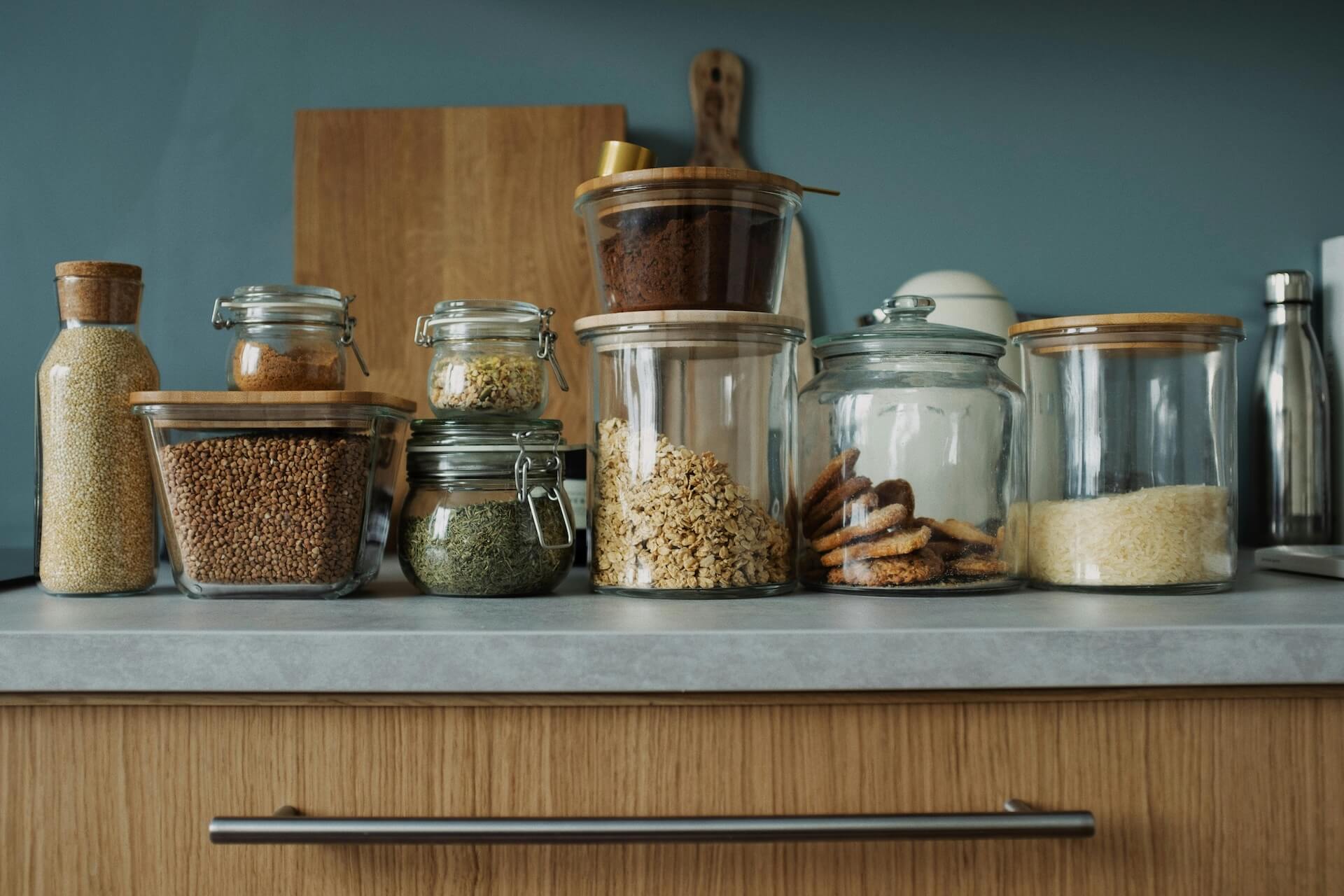
Decorative and functional, these Italian-made jars use a classic wire bail-and-lever mechanism with a replaceable rubber gasket. They are excellent for storing grains, nuts, or coffee beans on open shelving where they remain visible. The glass construction is neutral, meaning it will not leach chemicals or absorb odors over time.
These jars are highly durable and offer an airtight seal sufficient for most shelf-stable pantry items. However, they are not intended for pressure canning and should only be used for dry goods or short-term wet storage. The heavy glass build is perfect for a stable, permanent kitchen setup, though it may be too bulky for smaller apartments.
The gaskets will eventually harden with age and repeated use. Fortunately, replacement rings are inexpensive and easy to install. They are the best choice for those who value a traditional, timeless look in their kitchen.
Silicone Stretch Lids: For Covering Odd Bowls
Every kitchen has a collection of mismatched bowls or halved produce that needs a quick, airtight cover. Silicone stretch lids are essentially elastic silicone membranes that pull over the edges of containers to create a tight, temporary seal. They are a versatile, eco-friendly alternative to plastic wrap or aluminum foil.
These lids excel at accommodating round, square, or rectangular shapes, providing a leak-resistant barrier for melons, large mixing bowls, or half-empty cans. Their flexibility allows them to cover items that standard rigid lids simply cannot. They are a must-have for busy households that frequently deal with uneven containers.
To ensure a proper seal, the container rim must be completely dry and free of oil or debris. If the silicone surface becomes greasy, it will lose its grip and slide off the container. They are highly effective for short-term fridge storage, offering a reusable solution that cuts down on household waste.
How to Clean and Care for Your Airtight Seals
Airtight seals are only as good as their cleanliness, as trapped residue or food particles will eventually break the vacuum. Always remove gaskets from lids when washing to prevent mold from growing in the hidden channels. A soft brush or toothpick is often the best tool for reaching tight corners in lid mechanisms.
Avoid using harsh chemicals or abrasive scouring pads on silicone, as these can create microscopic tears that lead to faster degradation. Hand washing is generally preferred, even for dishwasher-safe components, as high heat cycles can warp plastic lids and stiffen rubber gaskets prematurely. Always allow parts to air dry completely before reassembling to avoid trapping moisture inside the seal.
If a seal retains a persistent odor, a soak in a solution of vinegar and water or baking soda can often neutralize the scent. Never force a lid to close if it feels stuck; check the gasket for debris before applying pressure. Proper maintenance is the most effective way to extend the lifespan of your storage gear.
Choosing Between Glass, Plastic, and Silicone
Selecting the right material involves balancing weight, durability, and health considerations. Glass is the cleanest option, as it is non-porous and will not leach or stain, but it is heavy and fragile. It is the best choice for long-term pantry storage where the container will rarely be moved.
Plastic is lightweight, affordable, and nearly indestructible, making it ideal for households with children or limited storage space. However, plastic can scratch or stain over time, which may compromise the airtight seal if the rim becomes damaged. Look for BPA-free, high-density options that are rated for repeated use.
Silicone is the ultimate versatile material, acting as the bridge between glass and plastic. It is heat-resistant, flexible, and chemically inert, making it perfect for gaskets and covers. When deciding, prioritize glass for acid-heavy foods and plastic for high-traffic, daily-use pantry items.
When Is It Time to Replace a Gasket or Seal?
No seal lasts forever, and recognizing the signs of failure prevents food waste. If you notice an increase in food spoilage, insects, or a loss of “pop” when opening a jar, the seal is likely failing. A visual inspection is the best diagnostic tool: look for cracks, permanent flattening, or a tacky, sticky texture on the rubber.
If a gasket no longer snaps back to its original shape after being pressed, it has lost its elasticity and will no longer provide a vacuum-tight seal. Discoloration or hardening are also clear indicators that the rubber has reached the end of its functional life. It is far more cost-effective to replace a five-dollar gasket than to discard an entire jar of preserved food.
Keep a small inventory of common replacement rings for the jars you use most frequently. By being proactive, you avoid a crisis when you need to store food during a busy season. Regular checking ensures your preservation setup remains as effective on its hundredth use as it was on its first.
Effective food storage is a balancing act of convenience, cost, and longevity that every home manager navigates daily. By selecting the right sealing system for each specific task, you protect your food investment and simplify your kitchen routine. Stick to these reliable methods to keep your pantry organized and your ingredients fresh for as long as possible.


