
7 Best Hobby Tools For Vehicle Repairs That Last
Master vehicle repairs with the 7 best hobby tools. Get reliable results and extend your car’s life. Upgrade your toolkit today!
A vehicle stalling in the driveway or a rattling noise during the morning commute often signals the need for basic maintenance. Keeping a well-stocked tool kit at home transforms these stressful moments into manageable weekend projects. Investing in durable, high-quality instruments prevents the frustration of rounded bolt heads and stripped threads, ensuring that repairs remain safe and efficient.
Craftsman Socket Set: Your Go-To for Most Bolts
When a routine oil change turns into a day-long ordeal, the culprit is often a subpar socket set. A reliable Craftsman set serves as the foundation for any home garage, offering a comprehensive range of sizes that fit everything from lawnmowers to sedans. These sets are engineered for longevity, featuring heat-treated steel that resists the common wear and tear of frequent use.
For homeowners in suburban settings, these kits provide the versatility needed to tackle multiple vehicles without constant trips to the hardware store. The clear markings on each socket save precious time, especially when working in low-light conditions under a hood. Choosing a set with a sturdy blow-molded case ensures that every piece stays organized and accounted for, preventing the inevitable “lost socket” syndrome.
- Metric vs. SAE: Ensure the set includes both, as modern vehicles rely heavily on metric sizing while older domestic models may still use SAE.
- Drive Sizes: A 3/8-inch drive is the sweet spot for general automotive repairs, offering enough leverage for tight bolts without the bulk of a 1/2-inch drive.
Bottom line: Prioritize a set with a lifetime warranty to ensure the tools remain a permanent fixture in the garage for decades.
TEKTON Torque Wrench: For Tightening to Spec
Guessing how tight a bolt should be often leads to sheared threads or, worse, loose components that threaten vehicle safety. A torque wrench removes the guesswork by allowing the user to set a specific tension, ensuring fasteners are tightened exactly to the manufacturer’s specifications. TEKTON offers a balance of professional-grade accuracy at a price point that makes sense for the occasional home mechanic.
Whether tightening spark plugs or wheel lug nuts, precision is non-negotiable. Using a torque wrench protects the integrity of the vehicle’s parts, preventing the expensive damage that comes from overtightening. Its audible “click” mechanism provides clear, physical feedback, letting the user know the job is done correctly without needing to stare at a gauge.
- Storage Tip: Always reset the torque wrench to the lowest setting after use to maintain the calibration of the internal spring.
- Calibration: For the average homeowner, an annual check or a high-quality wrench that holds its setting is sufficient for routine maintenance.
Bottom line: This is a precision instrument that pays for itself by preventing costly mechanical failures down the road.
Big Red Floor Jack: Safely Lifting Your Vehicle
Lifting a vehicle using only the factory-issued emergency jack is a recipe for disaster in a home garage environment. A Big Red floor jack provides the stability and lift capacity necessary to elevate a car securely for brake jobs or tire rotations. These jacks are built with heavy-duty steel, designed to handle the weight of SUVs and minivans with ease.
Safety remains the top priority, and a floor jack offers a much wider base than the flimsy jacks included with a spare tire. Always remember that a floor jack is for lifting, not holding; the vehicle must be supported by heavy-duty jack stands before any work begins. This two-step process ensures the vehicle remains rock-solid while the user is underneath.
- Lift Height: Check the maximum lift height to ensure the jack can actually clear the ground for your specific vehicle’s suspension.
- Weight Capacity: Never exceed the stated capacity, and when in doubt, opt for a model rated for at least 3 tons to accommodate heavier family vehicles.
Bottom line: Never compromise on the equipment used to elevate a vehicle; invest in a robust floor jack to guarantee a safe workspace.
Gearwrench Ratcheting Set: Speed for Tight Spots
Engine bays are notoriously crowded, leaving little room to swing a traditional wrench back and forth. Gearwrench ratcheting wrenches feature a fine-tooth mechanism that requires minimal movement to turn a bolt, making them indispensable for reaching tucked-away fasteners. The surface drive technology also provides a better grip on bolt heads, significantly reducing the likelihood of rounding off corners.
These wrenches are a massive upgrade for those working in small garages where space is at a premium. The compact design allows for precision work in tight quarters, such as removing alternator bolts or accessing hose clamps. Because they are often sold in indexed racks, keeping them neat in a tool chest is remarkably easy, even in a cluttered workspace.
- Flex-Head Option: Consider the flex-head version for jobs requiring an awkward angle, as it can reach around obstructions that a standard wrench simply cannot.
- Durability: These are professional-grade tools that can handle high torque, making them a wise long-term investment.
Bottom line: Speed and access are the primary benefits here, making these wrenches a favorite for reducing frustration during complex repairs.
Autel OBD2 Scanner: Read Engine Codes Simply
Modern vehicles are essentially computers on wheels, and a “Check Engine” light can be intimidating for any homeowner. An Autel OBD2 scanner deciphers these cryptic warnings, providing specific error codes that tell the user exactly what is wrong. By identifying whether an issue is a simple loose gas cap or a more serious sensor failure, the scanner prevents unnecessary and expensive mechanic visits.
The interface is designed for simplicity, making it accessible even for those without a mechanical background. Most scanners provide a basic definition of the code, which can then be researched to determine if a fix is within one’s skill set. It empowers the homeowner to make an informed decision before handing over their keys at a repair shop.
- Compatibility: Ensure the scanner supports the specific make and model of the vehicle, though most modern scanners are universally compatible with cars manufactured after 1996.
- Live Data: Higher-end models offer live sensor reading, which is invaluable for diagnosing intermittent issues that don’t trigger a permanent light.
Bottom line: An OBD2 scanner turns the mystery of modern diagnostics into a transparent, manageable task.
DeWalt Impact Wrench: Power for Stubborn Lug Nuts
Rust and corrosion can seize lug nuts, making manual removal nearly impossible for the average person. A DeWalt impact wrench provides the raw torque required to break loose even the most stubborn fasteners in seconds rather than minutes. This power tool makes seasonal tire changes or suspension work significantly less physically demanding.
For homeowners with busy schedules, the time saved by a cordless impact wrench is substantial. The battery-powered convenience means there is no need for a bulky air compressor or hoses snaking across the garage floor. DeWalt’s battery ecosystem is widespread, meaning the same batteries can often be used for drills or other yard tools.
- Torque Control: Most impact wrenches have multiple speed settings, which helps prevent over-tightening or damaging delicate fasteners.
- Weight: Cordless models have become lighter, but check the balance of the tool to ensure it doesn’t cause wrist fatigue during extended use.
Bottom line: This tool transforms a grueling, sweat-inducing chore into a quick, effortless task.
Channellock Pliers Set: The Right Grip for Any Job
No tool collection is complete without a high-quality set of pliers for gripping, bending, and cutting. Channellock pliers are the industry standard for their durability and the proprietary “teeth” design that locks onto surfaces without slipping. A varied set—including tongue-and-groove, needle-nose, and linesman pliers—covers almost any incidental repair encountered in the garage.
These tools are built to last, often featuring heat-treated carbon steel that resists snapping under pressure. Unlike cheaper alternatives, the rubber grips on these pliers stay securely in place and provide the necessary leverage for tough jobs. Whether tightening a stubborn hose clamp or pulling a broken clip, a reliable grip is essential for preventing hand injuries and damaged parts.
- Size Selection: A 10-inch tongue-and-groove pair is the most versatile size for general automotive plumbing and light mechanical tasks.
- Comfort: Look for ergonomic grips that reduce strain on the hands during repetitive tasks.
Bottom line: Dependable pliers are the “go-to” for the unexpected, and a quality set saves time and frustration daily.
What to Look For in a Tool That Truly Lasts
When browsing the hardware aisle, the weight and finish of a tool are the best indicators of quality. Heavy, forged steel typically outperforms cast iron, which is prone to brittle fractures under stress. A polished chrome or black oxide finish is not just for aesthetics; it provides a necessary layer of protection against the rust and corrosion common in unconditioned garages.
Avoid the temptation to buy complete “bargain bins” that contain dozens of pieces for a low price, as these are often made of soft metals that strip easily. Instead, focus on building a collection of core tools from reputable manufacturers that offer lifetime warranties. A slightly higher upfront cost is far cheaper than replacing broken tools every few years.
- Warranty: Prioritize brands that offer “no-questions-asked” replacements, as this demonstrates a commitment to long-term quality.
- Ergonomics: Test how the tool fits the hand; comfort reduces fatigue and increases the precision of the work.
Bottom line: Value is found in durability and reliability, not in the sheer volume of pieces in a set.
Key Safety Tips When Working Under Your Vehicle
The most important rule in automotive repair is to never rely solely on a hydraulic floor jack. Always place the vehicle on jack stands rated for the vehicle’s weight and shake the car gently to ensure it is stable before crawling underneath. Even in a home garage, wheel chocks should be used on the tires remaining on the ground to prevent any accidental rolling.
Eyesight and respiratory health are often overlooked during routine repairs. Wearing safety glasses protects against falling debris, rust flakes, and accidental chemical sprays. When working in a garage, ensure there is adequate ventilation, especially if the engine will be running or if chemicals like brake cleaner are in use.
- Emergency Contact: Keep a mobile phone nearby and accessible at all times in case of an emergency or the need to look up a quick video tutorial.
- Fire Safety: Keep a fire extinguisher rated for chemical and electrical fires in a visible location near the workspace.
Bottom line: A successful repair is one where the homeowner walks away healthy and uninjured, making safety protocols a non-negotiable part of the routine.
How to Organize Your Tools in a Small Garage
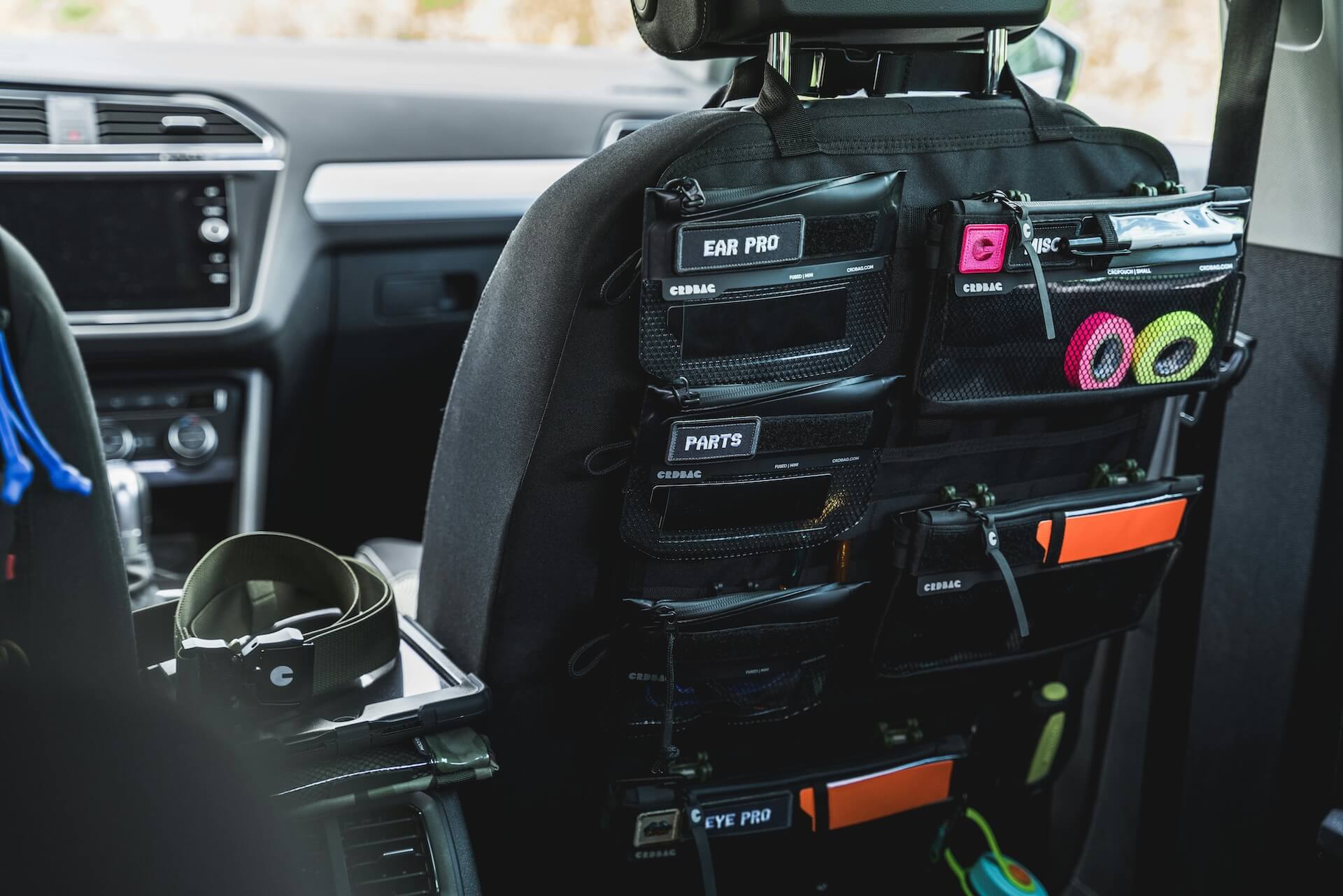
Space is often the greatest enemy of a home mechanic, but a few organization tactics can make a cramped garage feel like a professional bay. Utilize vertical space by installing wall-mounted pegboards or magnetic strips for frequently used wrenches and pliers. This keeps the workbench clear and ensures the right tool is always within arm’s reach.
For those in apartments or townhomes with limited storage, a mobile tool chest on wheels is a game-changer. It allows for a consolidated collection of tools that can be tucked away in a corner when not in use. Drawer liners are a simple but effective addition, keeping tools from sliding around and minimizing the noise of a shifting metal chest.
- Labeling: Use a label maker to mark drawers or slots, which makes returning tools to their home much faster after a long project.
- Shadowing: Tracing the outline of tools on pegboards helps identify missing items instantly, ensuring nothing is left in the engine bay.
Bottom line: An organized garage is a productive garage; when tools have a dedicated home, projects start faster and finish with less cleanup.
Maintaining a personal vehicle at home is a rewarding way to ensure reliability while building practical life skills. By choosing durable tools and keeping a focus on safety and organization, any homeowner can handle routine maintenance with confidence. Quality tools are an investment in the longevity of the vehicle and the peace of mind of the household.

