
7 Best Cable Hiding Kits for Home Renovation Projects
Tidy your home renovation with 7 top cable hiding kits. Declutter effortlessly! Find the perfect solution now.
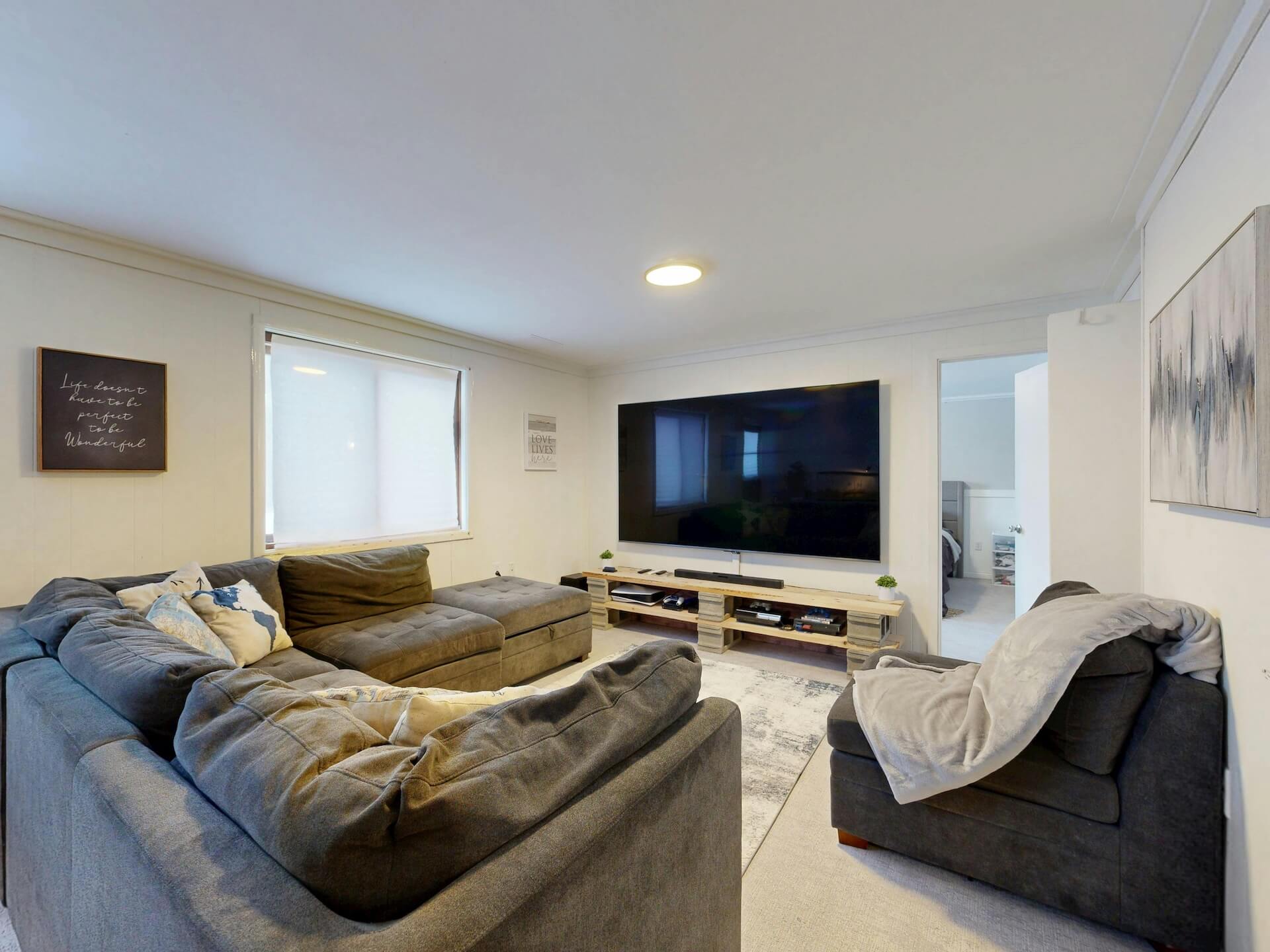
Tangled nests of wires behind the television or along baseboards are more than just an eyesore; they act as magnets for dust and create tripping hazards in busy family homes. Managing these cords properly transforms a cluttered living room into a polished, intentional space that is significantly easier to clean. Choosing the right concealment system requires balancing the architectural limitations of a room with the specific number of cables that need to be hidden.
Legrand Wiremold: The Classic for Baseboards
When floor-level outlets are situated far from furniture, the inevitable crawl of black cords across the carpet or hardwood becomes a permanent fixture. Legrand Wiremold remains the gold standard for baseboards because it is specifically designed to blend into standard trim profiles. These channels are paintable, allowing for a seamless transition from the plastic casing to the surrounding wall color.
The primary benefit of this system lies in its durability and the variety of elbows and connectors available. Unlike thinner covers, Wiremold handles multiple thick power cords and HDMI cables with ease. Installation typically involves an adhesive backing or small screws, making it a reliable, semi-permanent solution for homeowners who want a tidy perimeter without professional electrical work.
Best for high-traffic hallways or living rooms where cords must follow the floor line.
D-Line Raceway: A Decorative Wall Solution
Sometimes a cable must run vertically up a wall to reach a wall-mounted sconce or a speaker. D-Line offers a unique semi-circular profile that mimics the shape of a decorative bead or moulding. This design helps the raceway disappear into the room’s aesthetics rather than looking like an industrial utility channel.
The click-lock lid feature allows for quick access if cords need to be swapped out or added later. Because the profile is rounded, it is less prone to gathering dust and is easier to wipe down than square-edged plastic alternatives. While slightly more expensive than basic square kits, the aesthetic payoff in a living room or office is usually worth the extra investment.
Best for visible, vertical runs where aesthetics are just as important as organization.
Echogear In-Wall Kit: For Wall-Mounted TVs
For the cleanest possible look, the Echogear In-Wall Kit hides cables behind the drywall entirely. This kit includes two grommet-style ports—one for behind the TV and one for behind the media console—connected by a length of flexible conduit. It creates the “floating TV” effect without leaving a single wire exposed.
This solution requires cutting into the drywall, so it is best suited for homeowners comfortable with a drywall saw and a level. It effectively bypasses the need for external raceways and provides a professional, built-in appearance. Always verify that the included power extension cord is rated for in-wall use to maintain safety compliance.
Best for permanent TV installations where a “no-wire” look is the priority.
Delamu Cord Cover Kit: Best for a Quick Fix
Large kits can be overkill when managing a single lamp cord or a lone router wire. The Delamu Cord Cover Kit features a slim, low-profile design that is ideal for quick organization projects in small apartments or rental spaces. The peel-and-stick adhesive is strong enough to hold on most wall textures, yet it is generally manageable for removal when moving out.
Because these covers are narrow, they are limited in capacity. They are not designed to hold thick, braided power bricks or large bundles of cables. However, for a simple, budget-friendly fix to dangling wires, their ease of use and small footprint are hard to beat.
Best for renters or small, low-volume cable management tasks.
SimpleCord J Channel: For Under-Desk Tidiness
The underside of a desk often becomes a chaotic mess of power strips and charging cables. The SimpleCord J Channel uses an open-top design that makes it incredibly easy to “drop” cords into the channel without threading them through narrow tubes. This open access is vital for home offices where devices are frequently unplugged or rearranged.
Mounting is typically done via heavy-duty adhesive strips, which is a major advantage for desks where drilling holes might damage the surface. The open top also helps with heat dissipation, which is safer for power bricks that might run warm during heavy use. It is a highly practical choice for anyone working from home full-time.
Best for desks, workstations, and gaming setups requiring frequent equipment changes.
Alex Tech Split Sleeving: To Bundle Loose Cords
When multiple cords run from a single location—such as the back of a computer or behind a TV—individual channels can become cramped. Alex Tech Split Sleeving is a flexible, mesh-like wrap that bundles several cables into one thick “umbilical cord.” This gathers the chaos into a single, manageable line.
The material is flexible and durable, protecting cables from pets who might chew on wires or from accidental snagging. Because it is a sleeve rather than a rigid track, it can bend around corners and follow the contour of furniture legs. It is an excellent, low-cost solution that requires no adhesive or hardware.
Best for pet owners and complex cord bundles that need flexibility.
Datacomm Plate: A Pro-Look for Media Centers
For those who want to avoid cutting into drywall but still want a built-in look, the Datacomm Plate provides a simple, recessed pass-through. These plates replace a standard wall outlet cover or exist as a dedicated port that allows cables to slide through the wall cavity and exit behind the furniture. They provide a finished, professional aesthetic at a very low cost.
The primary requirement for this system is that the wall must be hollow, as the cables are physically routed inside the space between the studs. If there is fire-blocking or insulation inside the wall, this method will not work. It is an affordable way to elevate a standard media center setup without needing a complete overhaul.
Best for DIYers looking for a finished look behind a media stand.
In-Wall vs. On-Wall: Which Is Right for You?
Choosing between in-wall and on-wall depends entirely on the structure of the home and the permanence of the setup. In-wall kits are superior for aesthetic perfection, but they require cutting into walls and cannot be moved once installed. These are generally reserved for long-term home ownership.
On-wall raceways, by contrast, offer total flexibility and zero structural impact. They are the standard for renters or those who prefer to rearrange furniture frequently. Always evaluate the path the cable needs to take; if it must cross a doorway or a vent, an on-wall solution is usually the only safe and practical choice.
Bottom line: Use in-wall for permanent media centers; use on-wall for everything else.
Tips for Painting Your New Cable Concealers
Most plastic cable covers come in white or off-white, which rarely matches the specific wall paint of a room. To make a raceway disappear, lightly scuff the plastic with fine-grit sandpaper first to help the paint adhere. This step prevents the paint from peeling or flaking off the slick plastic surface.
Apply a coat of high-quality primer before the finish coat, especially if the raceway is a dark color or if the wall paint has a specific sheen. Use the same paint and finish (matte, eggshell, or semi-gloss) that is currently on the walls. By treating the cover as part of the trim, the entire system will effectively vanish into the background.
Actionable tip: Always keep a small jar of the wall’s original paint for touch-ups.
Measuring for Wires: Don’t Buy Too Small
One of the most common errors is underestimating the volume of cords. When buying a kit, count not just the number of cables, but the width of the thickest plug or connector head. Many raceways look wide enough but fail because a rigid HDMI head or a bulky power brick prevents the lid from snapping shut.
Measure the total length of the run and purchase 10% more than needed to account for cuts and corner connectors. Remember that if a space is currently filled with three cables, there will likely be a fourth or fifth added within a year. Planning for slight growth in a channel is always a smarter move than having to replace the entire system later.
Bottom line: Choose a kit that is one size larger than you think you need.
Reliable cable management is a cornerstone of a well-maintained home, turning chaotic technology hubs into orderly, stress-free zones. By selecting the right mounting method for your specific walls and planning for future cord growth, you can achieve a clean look that stands the test of time. A little effort in the planning stage ensures that your home stays functional, safe, and visually clear for years to come.


