
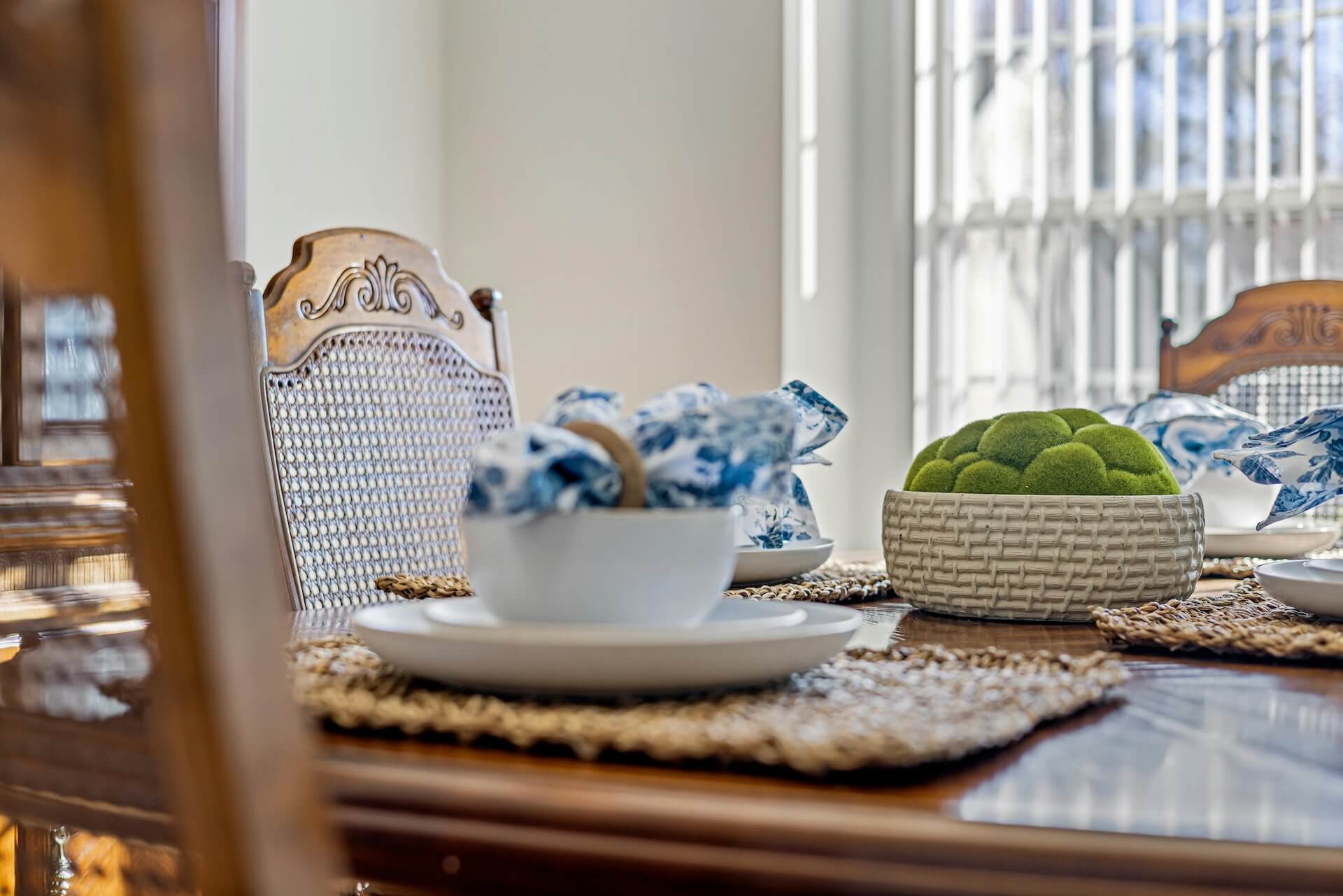
7 Best Natural Fiber Placemats for Table Settings
Elevate your table with 7 beautiful natural fiber placemats. Discover the best options for stylish, eco-friendly dining. Shop now!
Finding the right placemats often feels like balancing the need for a beautiful table with the reality of messy weeknight dinners. Natural fiber options provide a grounding, tactile warmth that synthetic materials simply cannot replicate. Selecting the right set ensures that the dining space remains both inviting for guests and functional for a busy household.
Pottery Barn Seagrass: Built for Daily Family Use
Seagrass is a unique material because it is naturally non-porous, making it remarkably resistant to moisture and spills. For households with young children or those prone to accidental water glass tip-overs, this makes cleanup significantly faster than with absorbent fibers.
The tight, uniform weave provides a stable surface for plates and glasses, preventing wobbling. While the texture is distinct, it is generally smooth enough that it won’t scratch delicate wood dining tables, though a thin felt backing is always a wise precautionary addition.
Bottom line: These mats are an investment in durability. Expect them to hold their shape through years of daily use, making them a reliable choice for the primary dining table in a high-traffic home.
Crate & Barrel Jute: Best for a Rustic Farmhouse Look
Jute brings an unmistakable earthy charm to the table, creating a warm, organic foundation for dinnerware. This aesthetic thrives in casual settings, particularly in kitchens with farmhouse decor or wooden furniture that benefits from added texture.
Because jute is a coarser fiber, these placemats are best suited for heavier stoneware or ceramic dishes rather than fine china. They provide excellent grip, ensuring that plates stay firmly in place during mealtime.
Bottom line: If the priority is achieving a specific visual style rather than effortless cleaning, jute is the premier choice. Avoid these if the household requires a machine-washable surface, as they are strictly spot-clean only.
Koyal Rattan Chargers: Best for Hosting Large Dinners
Chargers are essential for those who frequently host holidays or large family gatherings. A rattan charger adds a layer of sophistication to a setting, acting as a frame for the dinner plate to make the table look professionally styled.
Rattan is sturdy and rigid, which allows it to support the weight of a full plate without bending or bowing. It is an excellent way to elevate simple, everyday white dishes into a cohesive, intentional tablescape for guests.
Bottom line: These are not designed for daily messy meals, but rather for special occasions. Store them in a flat, dry place to prevent the natural rattan from becoming brittle or misshapen over time.
D’Maison Water Hyacinth: Best Thick, Protective Weave
When a dining table is made of heirloom wood or glass that is prone to heat marks, a thick placemat is a necessity. Water hyacinth is known for its chunky, braided construction which provides a superior buffer against hot serving dishes.
The height of these mats offers significant protection, acting as a natural trivet for warm platters. While their thickness provides great utility, ensure that the weave is tight enough to prevent crumbs from falling through to the table surface.
Bottom line: These are the most protective option for those who worry about heat damage or scratches. They offer a heavy, substantial feel that grounds a large, open-concept dining area.
Solino Home Linen: Best for Easy Washing and Elegance
Linen is the exception to the rule that natural fibers must be stiff or difficult to clean. These placemats offer a softer, more elegant look that feels right at home in a formal dining room or a bright, airy breakfast nook.
Unlike woven grass or jute, linen can be tossed in the washing machine, which is a major advantage for households that prefer a clean, crisp fabric feel. They are available in a wide variety of colors, allowing for easy coordination with seasonal table runners or napkins.
Bottom line: For homeowners who value hygiene and ease of maintenance above all else, linen is the superior choice. They provide a refined look that ages gracefully with every wash.
Has-Senta Round Jute: Best for Circular Dining Tables
Circular dining tables present a specific spatial challenge, as rectangular placemats often overlap or clutter the center. Round jute mats follow the lines of the table, creating a more harmonious and organized look in tight dining spaces.
The natural round shape makes it easier to position settings around a pedestal table without crowding the center. They add visual softness to a room filled with hard corners or architectural edges.
Bottom line: Choose round mats if the goal is to make a small or awkward dining area feel more balanced. They are a simple design hack for making a round table look intentional rather than cramped.
The Woven Nook Cotton: Best for Coordinated Kitchen Sets
Cotton woven mats offer the best middle ground between the durability of jute and the comfort of linen. They are tightly braided to mimic the look of natural seagrass but retain the soft, familiar touch of cotton textiles.
These sets are often sold in bundles, making them an affordable choice for someone refreshing an entire kitchen’s look. They are usually color-fast and hold up well to moderate use in active family kitchens.
Bottom line: If the preference is for a unified look across multiple surfaces, cotton is the most versatile path. These are ideal for renters or homeowners who enjoy rotating their table decor frequently without a high cost.
How to Clean and Care for Woven Fiber Placemats
Maintenance for natural fibers requires a gentle touch rather than heavy cleaning products. For most woven mats, a simple shake-out after each meal is sufficient to remove crumbs that might become trapped in the weave.
If a spill occurs, address it immediately with a damp, white cloth using a blotting motion—never rub, as this can fray the fibers. For stubborn stains, a very diluted solution of mild dish soap and water is usually enough to spot-clean, followed by immediate air drying.
- Avoid soaking: Never submerge seagrass, jute, or rattan in water, as these materials can expand, warp, or develop mold.
- Sunlight warning: Limit direct exposure to harsh afternoon sun, which can cause natural fibers to fade or become brittle over time.
- Vacuuming: Use the brush attachment on a vacuum once a month to pull out debris from the deepest parts of the weave.
Storing Your Placemats to Prevent Bending and Fraying
The key to long-term storage is keeping the mats perfectly flat. Bending or folding woven fibers will inevitably lead to permanent creases or broken strands, especially with rigid materials like rattan or seagrass.
Utilize a dedicated drawer that is wider than the diameter of the largest mat. If space is at a premium, store them vertically like records on a shelf, ensuring they are tightly packed enough to stay upright but not so tight that they crimp.
- Breathability: Always store natural fibers in a cool, dry area to prevent humidity-induced mildew.
- Avoid heavy stacking: While stacking is convenient, placing too much weight on top of a stack of mats can cause the bottom ones to lose their flat profile.
Jute vs. Cotton: Which Natural Fiber Is Right for You?
The choice between jute and cotton often comes down to the intended purpose of the dining space. Jute is rigid, durable, and structurally distinct, making it perfect for high-impact areas where style is the primary driver.
Cotton is softer, more forgiving, and aligns better with households that prioritize frequent cleaning and a softer tactile experience. Consider the weight of your dinnerware and the frequency of your cleaning routine before settling on a final material.
- Choose Jute if: The table is used for casual, heavy meals and the room needs a strong, organic texture.
- Choose Cotton if: The table is used for frequent family meals, young children are present, or you prefer a soft, fabric-like aesthetic.
With the right choice of natural fiber, any dining space can achieve a polished, cohesive look that balances aesthetic appeal with the functional realities of a busy household. By selecting materials that suit your specific habits, you ensure that your table setting remains both beautiful and practical for years to come.


