
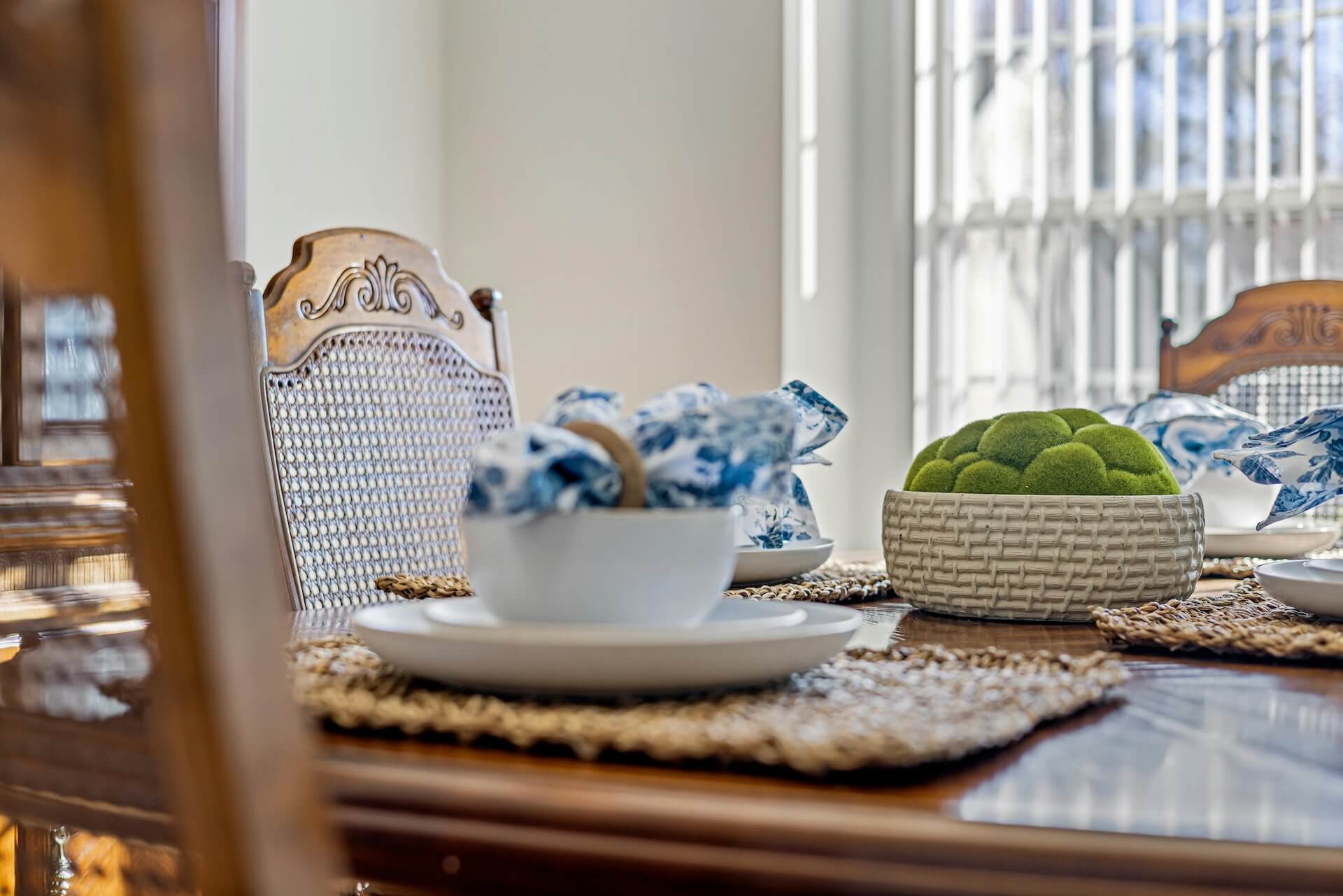
7 Best Placemats For Casual Family Meals That Clean Easily
Find 7 easy-to-clean placemats perfect for casual family meals. Shop now for stress-free dining and effortless cleanup!
A sticky tabletop after a weeknight dinner is a familiar frustration for any busy household. Finding the right balance between protecting your furniture and managing daily cleanup often feels like a constant battle against crumbs and spills. This guide cuts through the noise to help you select placemats that actually hold up to the demands of a real-world dining room.
Benson Mills Woven Vinyl: Best for Daily Durability
Woven vinyl is the gold standard for households that need a rugged, long-lasting surface. These mats are engineered to withstand the daily traffic of a high-use kitchen table, resisting both fraying and moisture penetration.
Because of their tightly woven structure, they provide a reliable barrier against scratches from ceramic plates or metal cutlery. They work especially well in homes where the kitchen table doubles as a workstation or craft area for children.
The bottom line is that these mats favor longevity over a soft, fabric-like feel. Expect them to last for years, even with daily scrubbing and heavy use.
Lofeyo Silicone Mats: The Easiest to Keep Clean
If the primary goal is zero-stress cleanup, silicone is the material of choice. These mats are completely non-porous, meaning red wine, tomato sauce, or syrup simply sit on the surface until they are wiped away.
These mats are heat-resistant, which is a major advantage when serving hot meals directly from the stove. They can even be tossed into the dishwasher for a deep clean, a convenience that woven or fabric mats simply cannot offer.
Choose these if you prefer a modern, minimalist aesthetic and refuse to spend extra time scrubbing food out of fibers. They are virtually indestructible and perfect for households with young children or messy eaters.
U’Artlines Faux Leather: A Stylish, Wipeable Pick
Faux leather offers the sophisticated look of traditional table linens without the requirement for frequent laundering. The surface is smooth and non-absorbent, allowing for quick cleaning with a damp cloth after every meal.
These mats bridge the gap between formal and casual dining. They dress up a quick sandwich for lunch while remaining durable enough to handle the wear and tear of a bustling family dinner.
Be aware that these mats can sometimes slide on glass or highly polished wood surfaces. Ensure the version selected includes a non-slip backing if stability is a priority for the household.
Pauwer Heat-Resistant Set: Protects Your Table
Many homes feature delicate wood finishes that are prone to heat rings or moisture damage from hot plates. A heat-resistant placemat acts as a critical buffer, shielding the table from damage that is often difficult to repair.
These sets are designed with density in mind, offering enough thickness to insulate the tabletop from warm serving dishes. They provide peace of mind during large family gatherings or holiday meals when the kitchen counter overflow reaches the dining table.
When selecting heat-resistant mats, check the temperature rating provided by the manufacturer. While most are designed for standard plates, they may not be appropriate for cast iron skillets straight from the oven.
Home-X Polypropylene Mats: A Simple, Budget Option
Polypropylene mats are the ultimate utility players in the dining room. They are lightweight, inexpensive, and come in a variety of vibrant patterns that can refresh a space without a significant investment.
Because they are so affordable, replacing them every year or two is rarely a budget concern. They are ideal for rental properties, seasonal homes, or high-traffic areas where you prefer to treat the items as semi-disposable.
The trade-off is a lighter weight that may result in the mats curling at the edges over time. Stick these to the table with a light adhesive or place them under a heavy centerpiece to keep them laying flat.
Dolopl Placemats: Best for Round Dining Tables
Round tables often pose a unique geometric challenge for traditional rectangular placemats, which can overlap or hang off the edges. Round, wedge-shaped, or flexible placemats solve this issue by following the contours of the table.
These mats prevent the messy look of clustered rectangles and help create a more intentional, organized table setting. They are specifically crafted to fit the smaller, tighter footprints typical of breakfast nooks or condo dining spaces.
Focus on the diameter of the table when choosing these styles. A set of four to six mats should leave enough breathing room in the center of the table for salt, pepper, and a centerpiece.
Jute & Sable Laminated: A Patterned, Kid-Proof Mat
Laminated mats are essentially heavy-duty paper or fabric sealed behind a protective, wipeable layer. They allow for intricate prints, bright colors, and stylish designs that stay looking crisp regardless of spills.
They are particularly effective in households that want to maintain a specific decorative theme. Since the artwork is sealed underneath, the design will not fade or peel even with repeated wiping with soapy water.
These mats offer the best of both worlds: the visual appeal of a fabric mat with the high-function maintenance of vinyl. They are an excellent investment for families who want a polished, curated look that doesn’t sacrifice practicality.
Choosing a Material: Silicone, Vinyl, or Fabric?
- Silicone: The winner for spill-prone homes and dishwasher-safe convenience.
- Vinyl: The top pick for durability and heavy, daily use in busy kitchens.
- Fabric/Laminated: Best for aesthetic-focused dining where style is as important as cleanliness.
Remember that material choice influences storage. Flexible silicone or fabric mats can be rolled or folded, while rigid vinyl or laminated mats require a flat, wide space in a drawer or cabinet.
How to Properly Clean and Store Your Placemats
Always verify the manufacturer’s care instructions before using harsh household cleaners. A mild dish soap and a soft sponge are almost always safer than heavy-duty sprays, which can degrade the finish on vinyl or laminated mats over time.
For storage, the flatter the mats stay, the better they will look on the table. If you have limited drawer space, try using a tension rod or an upright file sorter inside a cabinet to keep rigid mats vertical and prevent them from bending.
Avoid storing damp mats, as this can lead to mildew or odors, especially with woven materials. Ensure each piece is completely air-dried before stacking them away for the next meal.
Getting the Right Size for Your Dinner Plates
Standard dinner plates usually require a minimum footprint of 12 by 16 inches for a comfortable, balanced look. Using mats that are too small creates a cramped setting, while mats that are too large may overwhelm a smaller breakfast nook table.
Measure the distance between place settings to ensure there is at least six inches of space between mats. This keeps the table from looking cluttered and gives every family member enough room to maneuver their elbows without bumping their neighbor.
Keep in mind that if you use large chargers or serving platters, you may need to opt for oversized mats. Measure your primary dinner plate and add three inches on all sides to find the ideal mat dimensions.
Choosing the right placemat is about matching the material to your family’s specific tolerance for mess and your storage capacity. By prioritizing wipeable, durable materials, you can protect your table while maintaining a dining space that remains welcoming and functional for every meal of the week.
