6 Voltage Stabilizers For Sensitive Electronic Controls
Protect your sensitive electronics! Discover 6 top voltage stabilizers for flawless performance. Shop now for reliable power.
A flickering lightbulb or a computer that suddenly restarts during a storm is often the first sign of unstable household power. These voltage fluctuations can slowly degrade the internal components of expensive electronics, leading to shortened lifespans or total equipment failure. Investing in a reliable voltage stabilizer is a practical way to protect household investments and ensure consistent performance across all rooms.
APC LE1200 Line-R: For Home Office Computers
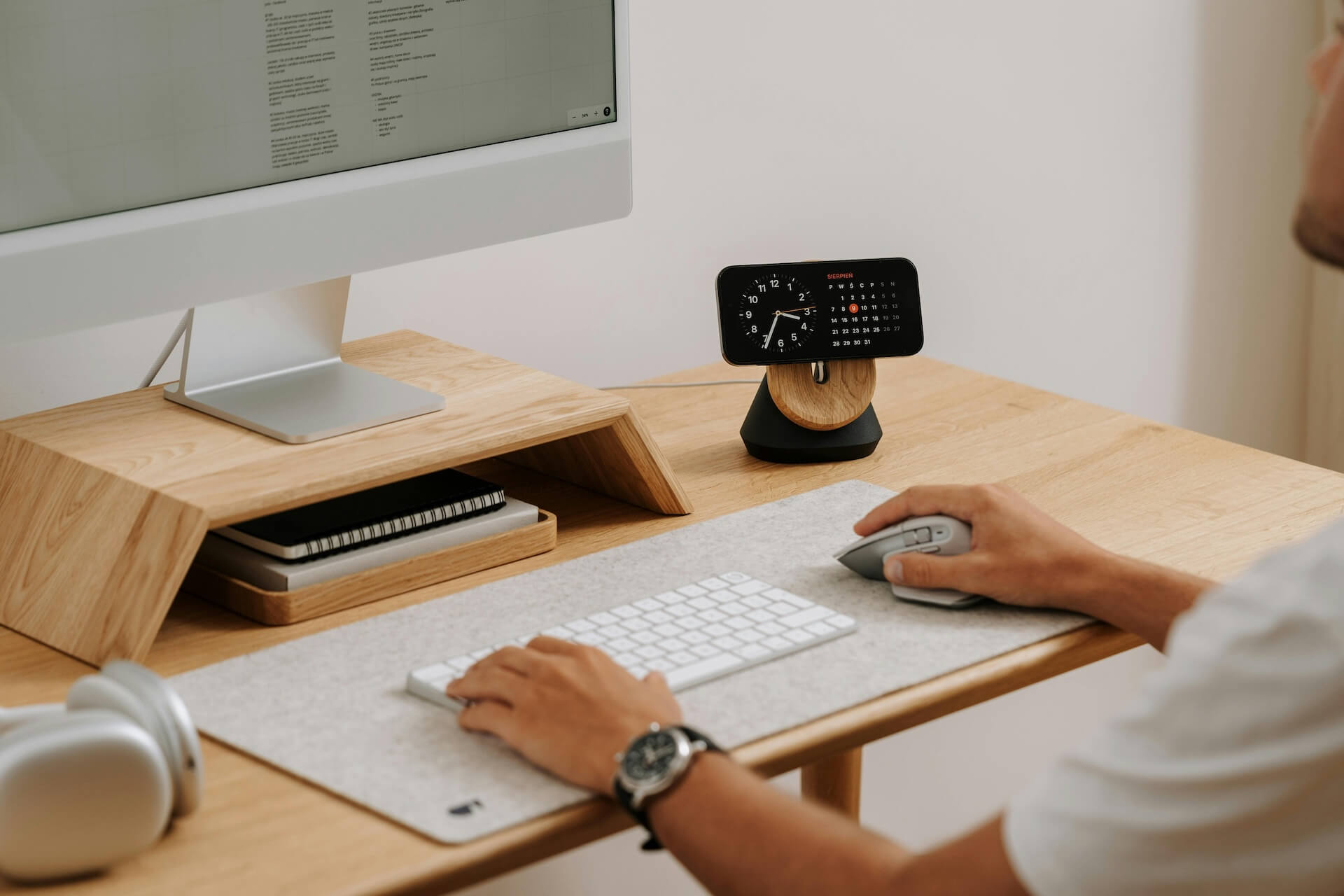
Home office setups often involve delicate hardware like printers, monitors, and desktop towers that require a steady flow of electricity to function correctly. The APC LE1200 Line-R is designed to handle common voltage sags and brownouts frequently found in older neighborhoods or during heavy grid demand. Its compact design allows it to sit neatly under a desk or tucked behind a computer tower without taking up precious legroom.
This unit provides 1200VA of capacity, which is more than enough for a standard workstation, including a high-end monitor and a powerful PC. Because it is specifically built for sensitive circuitry, it acts as a gatekeeper that ensures only “clean” power reaches the machine.
While it lacks some of the battery backup features of an uninterruptible power supply (UPS), its primary strength lies in its simplicity and durability. The bottom line: If the main goal is protecting a work computer from subtle voltage drops without the bulk of a battery, this is a highly reliable choice.
Tripp Lite LS606M: Protect Your Big-Screen TV
Large television screens are central to the living room experience, but their internal power boards are notoriously sensitive to the fluctuations that occur when heavy appliances like air conditioners cycle on and off. The Tripp Lite LS606M offers a balanced solution by providing voltage regulation alongside essential surge protection. Its flat, low-profile design makes it easy to slide behind a media console or mount directly to a wall.
The unit excels at filtering out the electromagnetic interference that can sometimes cause “ghosting” or audio hums in home theater systems. It provides enough outlets to cover a TV, a soundbar, and a streaming device, ensuring that the entire media center receives a consistent voltage stream.
Budget considerations are important here, as some owners might prefer a full-sized UPS; however, for a television, a dedicated stabilizer is often more space-efficient and cost-effective. The bottom line: This is a set-it-and-forget-it solution that keeps picture quality sharp and prevents power-related flickering.
CyberPower CST135XLU: Protect Your Appliances
Modern appliances like washing machines and refrigerators are essentially computers with motors attached, making them susceptible to damage from inconsistent power. The CyberPower CST135XLU is designed with enough headroom to manage the startup current of major household appliances while maintaining a steady voltage. It fits well in utility rooms or garages where space might be tight but equipment is valuable.
The inclusion of USB charging ports is a convenient, though secondary, feature for those who charge tablets or phones in the laundry room or kitchen. Its real value is the ability to bridge the gap between grid volatility and the precise needs of energy-efficient circuit boards.
Because this unit is slightly larger, be sure to measure the depth of the cabinet or utility shelf where it will reside. The bottom line: It offers a robust middle ground for households that want to protect essential appliances without needing a commercial-grade industrial stabilizer.
GE Cover-All 1500VA: For Kitchen Appliances
Kitchen counters are high-traffic areas where expensive coffee makers, air fryers, and stand mixers compete for power. The GE Cover-All 1500VA stabilizer is built to handle the varying wattage demands of these small appliances, providing a stable environment for sensitive digital timers and touch-panel displays. It is compact enough to sit on a corner of a countertop or inside a dedicated appliance garage.
When choosing this unit, keep in mind that its sleek design is meant to blend in with standard kitchen decor. It protects against the “dirty power” that can cause kitchen electronics to glitch or reset their programming unexpectedly.
Because kitchen countertops are prone to spills, always place the unit where it is protected from moisture while still allowing for adequate airflow. The bottom line: It is a practical, modest insurance policy for the modern, tech-enabled kitchen.
Furman M-8×2 Merit: For Audio and Video Gear
Audio enthusiasts understand that power quality directly impacts sound clarity, as electrical noise can manifest as static or interference. The Furman M-8×2 Merit is a professional-grade power conditioner and stabilizer that prioritizes “clean” power over mere surge protection. It is typically rack-mountable, making it a favorite for homeowners who have dedicated media closets or music studios.
This unit is built to last, featuring a rugged steel chassis that can withstand years of use. It is specifically engineered to reduce the hum that plagues sensitive high-fidelity audio equipment.
While it is more expensive than standard consumer-grade protectors, the improvement in sound consistency is often noticeable to the trained ear. The bottom line: For those who take their music and home cinema seriously, this is the gold standard for long-term component health.
Rockstone Power 2000W: For Heavy-Duty Tools
Workshops and garages housing heavy-duty power tools face a unique challenge: motor-driven devices draw massive amounts of power during startup. The Rockstone Power 2000W is a heavy-duty stabilizer that handles these high-wattage demands with ease. It is significantly heavier and more robust than other models, reflecting its ability to manage high-current draws.
This unit is ideal for table saws, drills, and other shop equipment that might otherwise cause the lights to dim in the rest of the house during operation. It prevents motor burnout by ensuring that the voltage remains stable even when the load is heavy.
Given its size and weight, it is best suited for permanent installation on a sturdy workbench or a dedicated shelf. The bottom line: This is a professional-grade necessity for any homeowner who maintains a serious DIY shop.
When Is a Voltage Stabilizer a Smart Investment?
A voltage stabilizer becomes a smart investment when living in an area with a history of electrical instability. Common red flags include flickering lights when the HVAC kicks on, smart electronics that frequently require a factory reset, or a neighborhood that experiences frequent, brief power outages. Households that have invested heavily in high-end appliances or smart technology should view a stabilizer as essential maintenance.
It is particularly important for those in older homes where the wiring may be outdated or taxed by modern device requirements. Even in newer construction, sudden grid surges caused by lightning or transformer failures make stabilization a logical precaution.
Ultimately, the cost of replacing a fried motherboard on an appliance or a professional-grade audio system far exceeds the cost of a high-quality stabilizer. The bottom line: If the electronics feel “finicky,” a stabilizer is often the missing piece of the puzzle.
Matching a Stabilizer’s Wattage to Your Needs
To determine the right size, list the wattage of all devices you intend to plug into the unit simultaneously. Every electronic device has a label on the back or bottom indicating its maximum power consumption; always calculate based on the total load rather than the average. It is wise to add a 20% “cushion” to this total to ensure the stabilizer is not running at 100% capacity at all times.
- Low Wattage: Under 500W (Small electronics, chargers, clocks).
- Medium Wattage: 500W–1200W (Computers, kitchen appliances, standard TVs).
- High Wattage: 1500W and above (Heavy-duty tools, refrigerators, large theater systems).
Choosing a unit that is too small for the load will lead to constant trips and potential overheating. The bottom line: Always round up when calculating your total wattage requirements.
Stabilizer vs. Surge Protector: Key Differences
Many people mistake a basic power strip or surge protector for a voltage stabilizer, but they serve different functions. A surge protector is designed to offer a “sacrifice” when a massive spike—like a lightning strike—hits the power line. Once a major surge passes through, the protector’s internal fuse often blows and the unit becomes useless.
A voltage stabilizer, by contrast, is an active regulator. It constantly monitors the incoming voltage and adjusts it upward or downward to keep it within a safe operating range for the connected devices.
While a stabilizer can prevent wear and tear from everyday fluctuations, it does not replace the need for a dedicated surge protector in lightning-prone areas. The bottom line: Most modern setups perform best when a stabilizer is used in tandem with a high-quality surge protector.
Proper Placement and Setup for Your Stabilizer
Proper placement is as important as the quality of the unit itself. Stabilizers generate heat while working, so they must be placed in a well-ventilated area with at least a few inches of clearance on all sides. Never hide a unit behind heavy furniture or inside a closed cabinet where airflow is restricted, as this can lead to premature failure.
Additionally, keep the unit away from water sources, extreme dust, or direct sunlight. Using a short, high-quality power cord to connect the stabilizer to the wall outlet minimizes resistance and provides the cleanest possible connection.
Finally, check the cables regularly to ensure they are firmly seated and free of fraying. The bottom line: Treat the stabilizer like an appliance itself, and it will keep the rest of your home electronics running for years to come.
Selecting the right voltage stabilizer is a straightforward task when you focus on the specific power needs and placement constraints of your household. By prioritizing durability and correct wattage matching, you can effectively protect your electronics from the invisible wear caused by inconsistent power. Implementing these simple safeguards today offers peace of mind and long-term protection for your most valuable home assets.