7 Best Color Safe Fabric Dyes for Restoration Projects
Restore fabrics beautifully with the 7 best color-safe dyes. Find your perfect shade & achieve lasting results. Shop now!
The kitchen table is covered in faded linens, and a favorite armchair looks tired after years of sunlight exposure. Instead of discarding these household staples, a simple refresh with fabric dye can breathe new life into worn items for a fraction of the cost of replacement. Choosing the right product ensures that fabrics remain color-fast and vibrant, turning a potential waste pile into renewed decor.
Rit All-Purpose Dye: The Classic You Can Trust
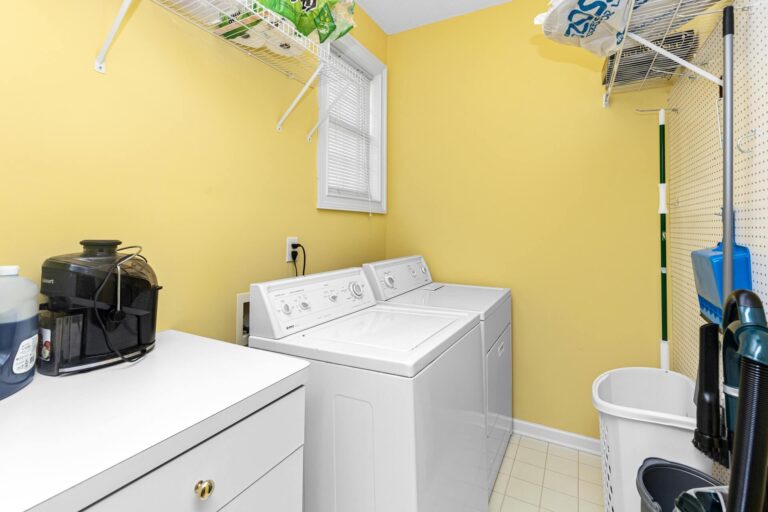
For decades, this has been the standard solution for homeowners looking to revive everything from cotton curtains to blended-fiber slipcovers. Because it works on a wide range of natural fibers like cotton, wool, and silk—as well as nylon and rayon—it is the ultimate “fix-it” bottle to keep in a laundry room cabinet.
It is particularly effective for those who prefer the stovetop method, where total control over the heat and dye bath duration leads to the most saturated results. While it requires a bit more active participation, the trade-off is an incredibly reliable outcome on varied materials.
Bottom line: Choose this for multi-material projects where versatility is more important than specialized fiber requirements.
Dylon All-in-1 Pod: For Mess-Free Machine Dyeing
When the prospect of staining a stainless steel kitchen sink feels too risky, the pod format offers a clean, contained alternative. Simply toss the pod directly into the washing machine drum with the fabric, and the machine handles the agitation and distribution of color.
This method is ideal for busy households where time is limited and cleanup needs to be non-existent. It works best on cotton, linen, and viscose, providing a uniform, professional-looking finish without the need for constant monitoring.
Bottom line: Opt for this if you value convenience and want to avoid the manual labor of hand-dyeing.
Jacquard Procion MX: For Vibrant, Lasting Color
For those committed to professional-grade results on plant-based fibers, Procion MX is the gold standard for cellulose-based materials. Unlike many generic options, this is a fiber-reactive dye that creates a permanent chemical bond with the molecules of the fabric itself.
Because the color becomes part of the fiber, items treated with this dye are exceptionally resistant to washing and fading over time. It is a fantastic choice for re-dyeing cotton sheets, quilt fabric, or heavyweight canvas tote bags that see daily use.
Bottom line: If you want the dye to outlast the fabric itself, this is the superior, long-term investment.
Tulip One-Step Dye Kit: Easiest for Small Jobs
Sometimes the goal is not to dye a large piece of furniture, but to freshen up smaller items like napkins, pillow covers, or children’s clothing. These kits come pre-measured in squeeze bottles, which minimizes the clutter of measuring powders and liquids.
The simplified process makes it accessible for anyone, even without a dedicated workspace or large vat. Because these kits are designed for ease, they are perfect for small-scale projects that require quick results without a significant time commitment.
Bottom line: Use this for smaller accents where ease of application outweighs the need for large-batch consistency.
Jacquard iDye: Dissolves for an Even, Easy Wash
iDye stands out because the dye comes in a dissolvable packet, meaning there is no loose powder floating through the air during the preparation process. It keeps the laundry area clean and prevents the accidental inhalation or spreading of pigment dust.
There are specific versions for natural fibers and synthetic fibers, allowing for a more tailored approach to specific restoration projects. This distinction is vital, as attempting to dye polyester with a natural-fiber dye will almost always result in an uneven or washed-out appearance.
Bottom line: Perfect for the homeowner who wants the safety of a mess-free process with specialized performance for specific fiber types.
Simplicol Intensive: German Quality for Deep Hues
Known for exceptional color intensity, Simplicol offers a sophisticated solution for those who want deep, rich blacks or vibrant navies on faded clothing. It is engineered to perform well within the constraints of modern, water-efficient washing machines.
The formula includes the necessary salt and fixing agents pre-mixed, which removes the guesswork from the process. It is a premium choice that rewards the user with professional, boutique-quality depth that resists bleeding through subsequent wash cycles.
Bottom line: Invest in this when you are working with high-quality fabrics that deserve a rich, deep-pigmented finish.
Angelus Suede Dye: Restores Faded Shoes & Bags
Fabric dyes designed for textiles often fail when applied to leather, suede, or non-porous surfaces. Angelus specializes in products that restore the appearance of accessories, making it possible to salvage a beloved leather handbag or suede boot that has lost its luster.
Unlike textile dyes, these are formulated to penetrate the surface of leather without hardening the material or causing it to crack. It is a specialized tool that saves expensive accessories from the trash bin, provided the user follows the instructions for surface prep carefully.
Bottom line: Essential for home repair of footwear and handbags; do not use this on soft cotton or linens.
Natural vs. Synthetic: Match the Dye to the Fabric
The success of a restoration project almost entirely depends on identifying the base material before selecting a product. Natural fibers like cotton, silk, linen, and wool require fiber-reactive or all-purpose dyes that can penetrate organic material.
Synthetic fabrics like polyester, acrylic, and acetate are hydrophobic, meaning they naturally repel most standard dyes. Only dyes specifically labeled for “synthetic” or “polyester” will produce a permanent, color-safe result on these materials.
- Always check the care tag: If the label is missing, perform a “burn test” on a tiny hidden seam to identify if the fabric smells like burning paper (natural) or melting plastic (synthetic).
- The 50/50 rule: If a fabric is a blend, use a synthetic-compatible dye, as it is more likely to pick up color on both the natural and synthetic components of the weave.
Prepping Fabric: The Secret to an Even, Rich Color
Dyeing is rarely about the liquid itself and almost entirely about the preparation of the canvas. Dirt, body oils, and chemical residues from laundry detergents create a barrier that prevents the dye from bonding evenly with the fibers.
Wash the item with a gentle, non-softening detergent prior to dyeing to ensure a clean slate. Skipping this step often results in “patchy” or “splotchy” color because the dye interacts differently with clean areas versus those with invisible oily residue.
- Avoid fabric softener: Softener adds a waxy coating to fibers that will physically block the dye from reaching the threads.
- Pre-soak for saturation: For thick fabrics like heavy cotton curtains or upholstery, soak the item in warm water until fully saturated before adding it to the dye bath.
How to Set Your Dye and Prevent Future Fading
Once the dyeing process is complete, the final step is locking the pigment to ensure it stays in the fabric rather than the wash water. Using a color-fixative solution is the most reliable way to increase the wash-fastness of your project.
Cold water rinses are also essential until the water runs completely clear, as heat can inadvertently strip away excess dye that hasn’t fully set. Always wash the freshly dyed item alone for the first few cycles to ensure no residual pigment transfers to other clothes.
- Vinegar trick: Adding a cup of white vinegar to the final rinse can help neutralize alkaline residues and brighten the appearance of the newly applied color.
- Drying matters: Air-dry items away from direct sunlight, as UV rays are the primary enemy of freshly applied fabric color and will accelerate fading significantly in the first few weeks.
Refreshing fabrics at home is a practical skill that preserves household investments and reduces the need for constant replacement. By matching the right dye to the specific fabric and properly prepping the surface, you can achieve professional, long-lasting results in the comfort of your own laundry room.