

7 Best Waterproof Duct Tapes for Basement Moisture
Keep your basement dry with our top 7 waterproof duct tapes. We evaluate durability and adhesion to help you seal leaks and prevent moisture damage effectively.
Basement moisture is a common headache that can turn a storage space into a breeding ground for mold and damage. Choosing the right waterproof tape can save you from expensive repairs if you act quickly and choose the correct adhesive for your specific surface. This guide will help you navigate the best options to keep your basement dry and protected.
Gorilla Waterproof Patch and Seal Tape for Leaks


When you discover a sudden drip coming from a basement pipe or a localized leak in a window well, you need an immediate solution that actually holds. Gorilla Waterproof Patch and Seal tape is a favorite because it is incredibly thick and forms a permanent, rubberized bond that defies water pressure.
It is particularly useful for homeowners who need to bridge a gap or seal a crack that is actively weeping. Because it is UV-resistant and withstands extreme temperatures, you don’t have to worry about it losing its grip when the basement gets chilly in the winter.
However, keep in mind that this tape is aggressive. Once it touches a surface, it is very difficult to reposition, so take your time during the initial application.
3M Scotch Super-Hold Duct Tape for Damp Surfaces

If you are dealing with a basement area that feels perpetually humid or slightly damp, standard tapes will often peel off within days. 3M Scotch Super-Hold is designed specifically to grip onto surfaces that aren’t perfectly dry, making it a reliable choice for renters who need a quick fix for leaky storage bins or drafty window frames.
It offers a much stronger hold than your average hardware store roll, yet it remains flexible enough to wrap around irregular objects like HVAC vent corners. It’s a great middle-ground option that balances professional-grade adhesion with the ease of use required for everyday household repairs.
The primary tradeoff here is thickness; it isn’t as heavy-duty as a patch tape, so use it for sealing seams rather than covering large structural holes. It is a must-have for any basic household toolbox.
T-Rex Brute Force Tape for Extreme Basement Use
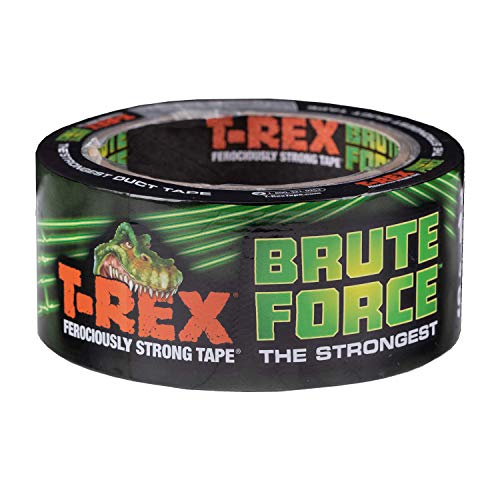
For those heavy-duty projects where you need to secure heavy shelving or patch a tear in a thick plastic vapor barrier, T-Rex Brute Force is the heavy hitter. It is built with a double-thick adhesive that is designed to withstand significant tension, making it ideal for basements that serve as active workshops or storage hubs.
This tape is not meant for delicate surfaces; it is built for rough concrete, wood, and metal. If you are a homeowner tackling a DIY project that requires structural reinforcement, this is the tape that won’t let you down.
Be aware that because the adhesive is so strong, it can leave a significant residue if you ever need to remove it. Use this for permanent or semi-permanent fixes only.
Nashua Waterproof HVAC Foil Tape for Ductwork

Basement ductwork often leaks air, which leads to condensation and energy loss, making your basement feel even colder and more humid. Nashua Foil Tape is the industry standard for sealing these joints because it is specifically engineered to handle the thermal expansion and contraction of metal ducts.
Unlike cloth-based duct tapes, this foil tape won’t dry out or crack over time due to the heat flowing through your furnace system. It is a clean, professional solution that ensures your HVAC system is operating efficiently.
For the best results, ensure the metal surface is wiped clean of dust before applying. It’s a small investment that pays off in lower energy bills and a more comfortable home environment.
XFasten Butyl Seal Tape for Concrete Foundation

When you have a hairline crack in your foundation that is letting in moisture, simple duct tape won’t cut it. XFasten Butyl Seal tape uses a gummy, rubber-like adhesive that actually flows into the pores of concrete to create a watertight, airtight gasket.
This is the go-to choice for homeowners who want to stop water seepage in its tracks without hiring a professional for a major foundation injection. It stays flexible for years, meaning it can handle the natural shifting of your home’s foundation without breaking the seal.
It is a bit messier to work with than standard tape, so wear gloves during application. It is the most effective way to address moisture ingress on porous surfaces.
Flex Tape Rubberized Waterproof Adhesive Strip

Flex Tape has become a household name for a reason: it functions like a liquid rubber in tape form. It is remarkably effective at sealing leaks in plastic tubs, buckets, or even cracked basement drainage pipes.
Its greatest strength is its ability to conform to almost any shape, making it perfect for sealing around pipes that penetrate through a basement wall. It is thick, durable, and truly waterproof, even when submerged.
Because it is so thick, it can be a bit bulky for tight spaces. Use it for your most challenging leaks where you need a rubberized, flexible barrier that won’t fail.
Shurtape PC 618 Duct Tape for Moisture Resistance
If you are looking for a reliable, all-purpose tape for general basement organization and moisture protection, Shurtape PC 618 is the professional’s choice. It is a high-quality cloth tape that offers better moisture resistance than standard consumer grades without being overly expensive.
This is the perfect tape for bundling items in the basement, sealing up cardboard boxes that might be exposed to high humidity, or taping down loose power cords. It is easy to tear by hand, which makes it very convenient for quick tasks.
While it is moisture-resistant, it is not waterproof in the same sense as the patch tapes mentioned earlier. Use it for moisture-prone environments, not for direct water leaks.
How to Properly Prep Basement Surfaces for Tape
The most common reason tape fails in a basement is poor surface preparation. Even the most expensive waterproof tape will peel if the surface is covered in dust, oil, or loose concrete particles.
- Clean: Use a damp rag and a mild degreaser to remove dust and grime.
- Dry: If the surface is wet, use a hair dryer or a heat gun to ensure the area is bone-dry before application.
- Smooth: If you are applying to concrete, use a wire brush to remove loose bits of masonry first.
Taking these three steps will increase the lifespan of your repair by months or even years. Never skip the cleaning phase, even if you are in a rush.
Signs Your Basement Moisture Requires Pro Help
While tape is a fantastic solution for minor leaks and maintenance, it is not a cure-all for structural water issues. If you notice white, chalky deposits on your walls—known as efflorescence—or if you see standing water regularly, tape is only a temporary band-aid.
If you find that your basement has a persistent musty smell that doesn’t go away with dehumidification, you likely have mold behind your walls. In these cases, you need to consult a waterproofing specialist to address the source of the water.
Don’t rely on tape for major cracks that are wider than a quarter-inch or for water that is actively flooding the floor. Safety and structural integrity always come before DIY fixes.
Expert Tips for Long-Lasting Waterproof Seals
To get the most out of your tape, remember that pressure is just as important as the adhesive itself. Once you apply the tape, use a roller or the heel of your hand to firmly press it into the surface, working from the center outward to push out any trapped air bubbles.
If you are working in a cold basement, warm the tape up to room temperature before using it. Cold adhesive is less tacky and will not bond as effectively to the surface.
Finally, always overlap your tape strips by at least an inch if you are covering a large area. This "shingling" effect ensures that water flows over the seam rather than under it, keeping your seal secure for the long haul.
Keeping your basement dry doesn’t have to be a complicated or expensive ordeal if you choose the right tools for the job. By matching the tape to your specific surface and taking the time to prep properly, you can prevent minor moisture issues from becoming major headaches. Start with these reliable options and keep your home protected throughout the seasons.
