

7 Best Self-Leveling Picture Hanging Tools for Walls
Discover the 7 best self-leveling tools for perfectly straight wall hangings. Our guide highlights top features to ensure precision and ease for your decor.
Hanging wall decor often feels like a two-person job that ends in crooked frames and unnecessary nail holes. With the right self-leveling tool, you can transform your gallery wall or hallway accents into a professional-looking display without the stress. This guide breaks down the most reliable options to help you achieve perfect alignment on your own.
Under-the-Roof Hang & Level for Precision
If you have ever struggled to hold a heavy frame with one hand while trying to mark a spot with the other, you know the frustration of "drift." The Under-the-Roof Hang & Level tool is designed specifically to eliminate that guesswork by combining a built-in level with a marking system. It essentially acts as a third hand, holding the weight of the frame while you pinpoint the exact location for your hardware.
This tool is particularly helpful for those living in apartments where you want to minimize the number of holes in your drywall. By measuring the distance between the hanging hardware on the back of your frame and transferring that to the tool, you ensure the nail goes in the right spot the first time. It is a simple, mechanical solution that doesn’t require batteries or complex calibration.
The tradeoff here is that it is primarily designed for frames with standard wire or D-ring hardware. If you are hanging canvas prints or odd-shaped art, you may find the setup a bit more cumbersome. However, for the average homeowner looking to hang a standard family photo gallery, it provides excellent reliability at a modest price point.
Stanley 47-300 Level for Accurate Alignment
Measure with precision using the Stanley 34-762 PowerWinder tape measure. Its durable fiberglass tape and convenient winding mechanism ensure accurate, hassle-free measurements for any project.


Every household toolkit should contain a reliable spirit level, and the Stanley 47-300 is a classic for a reason. While not a dedicated "hanging tool," its compact size and high-visibility vials make it the gold standard for checking your work after the hardware is installed. It is rugged, affordable, and requires zero maintenance.
For those who prefer a traditional approach, using a pencil and a standard level is often more accurate than relying on gadgets. You simply mark your center point, hold the level against the frame, and adjust until the bubble is perfectly centered. It is a foolproof method that has worked for decades, regardless of the wall type or frame weight.
Keep in mind that this tool requires you to have a steady hand and a good eye. It doesn’t tell you where to put the nail, but it ensures that once the frame is up, it stays up straight. For the budget-conscious DIYer, this is the most practical investment you can make.
Picture Perfect Hanging Tool for Easy Layouts

The Picture Perfect tool is a favorite for those who struggle with "hardware math"—calculating the distance from the top of the frame to the wire. It features a sliding scale that allows you to lock in the height of the hanging point before you ever touch the wall. This is a game-changer for people who like to rearrange their decor frequently.
This tool is especially useful in small spaces like hallways or staircases where you don’t have much room to maneuver. Because it is lightweight and compact, it stores easily in a junk drawer or a small tool kit. It removes the need for a tape measure and a level by combining both functions into one sliding device.

While it is made of plastic, which may not survive a drop on a hard concrete floor, it is perfectly durable for occasional home use. If you are a renter who moves often, this tool will save you from the "Swiss cheese" wall effect. It is a practical, low-cost investment for anyone who values a clean, orderly home.
Hanger Buddy for Quick Wall Positioning

The Hanger Buddy is a clever, no-nonsense device that uses a simple hook-and-marking system to transfer hardware locations to the wall. It is designed for speed, making it an ideal choice if you have a large project, like hanging a dozen frames for a gallery wall. You simply hook the tool onto the frame, position it on the wall, and press to mark.
This tool is excellent for busy parents or individuals who want to get a project done during a short nap time or a quick weekend window. It doesn’t require complex measurements or repeated trips back and forth to the frame. The markings it leaves are small and easily covered by the frame itself.
However, the Hanger Buddy is best suited for lighter to medium-weight frames. If you are dealing with massive, heavy mirrors or oversized art, you might want to look for a tool with a more robust metal construction. For standard home decor, it is an efficient, time-saving companion.
Hang-O-Matic All-in-One Hanging Solution
Effortlessly hang pictures, mirrors, TVs, and shelves perfectly straight the first time. This all-in-one tool measures, levels, and marks your wall simultaneously, featuring a built-in bubble level and adjustable pins for precise placement.

The Hang-O-Matic is essentially a tape measure with built-in levels and sliding marking points. It is designed to be the only tool you need to get a frame perfectly centered and level on the first try. It is particularly effective for wide frames that use two hanging points, as it marks both spots simultaneously.
This is a great option for homeowners who prefer to minimize clutter in their tool chest. By combining a tape measure, a level, and a nail-marking tool, it replaces three separate items. It is intuitive enough that even those who aren’t "handy" can pick it up and get professional results within minutes.
Be aware that the internal spring mechanism of the sliding markers can be delicate. Treat it with care, and it will last through many home projects. If you are looking for a versatile tool that handles everything from small portraits to large landscape paintings, this is a strong contender.
Bosch GLL 30 Self-Leveling Laser for Walls
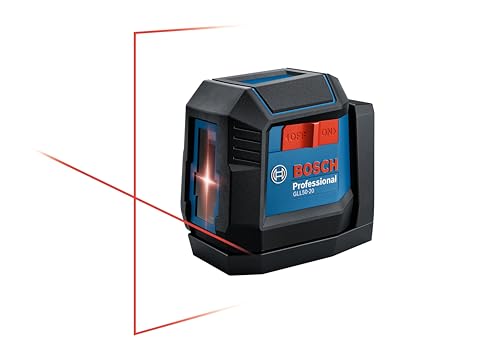
If you are serious about gallery walls or installing wall-mounted shelving, the Bosch GLL 30 is a professional-grade upgrade. It projects a perfectly level or plumb laser line across your wall, allowing you to align multiple frames with absolute precision. It is the gold standard for achieving a high-end, architectural look.
While it is the most expensive option on this list, it provides a level of accuracy that manual tools simply cannot match. It is ideal for large living rooms or long hallways where you want a perfectly straight line of art. Because it is self-leveling, you don’t have to worry about the device being perfectly positioned on a tripod; it adjusts itself automatically.
The main tradeoff is the learning curve and the need for batteries. It is also overkill for hanging a single picture in a bedroom. However, if you are a homeowner who enjoys DIY projects and wants to ensure your home looks meticulously curated, it is worth the investment.
Kelz Kidz Picture Hanging Tool for Beginners
Don’t let the name fool you; the Kelz Kidz tool is a fantastic, straightforward solution for anyone who finds traditional measuring tools intimidating. It uses a simple "press and mark" design that is very forgiving for beginners. It is perfect for those who want to avoid the stress of complex geometry while decorating.
This tool is highly recommended for students in dorms or young professionals in their first apartments. It is inexpensive, lightweight, and requires no technical skill to operate. It focuses on the basics: getting the nail in the right place so the frame hangs straight.
Keep in mind that this tool is not designed for heavy-duty industrial work. It is meant for standard household frames and lightweight decor. If you are just starting your home-decorating journey, this is the most approachable and low-risk tool you can buy.
How to Choose the Best Tool for Your Wall Type
Choosing the right tool depends heavily on your wall material. For drywall, which is soft and porous, simple marking tools work perfectly. If you are hanging items on plaster or brick, you may need to focus more on the hardware itself—such as masonry nails or anchors—before you even worry about leveling.
Consider the weight of your items as well. A laser level is excellent for heavy mirrors, but the tool itself won’t help you find a stud. Always combine your leveling tool with a stud finder if you are hanging anything over five pounds to ensure your wall integrity remains intact.
- Renters: Prioritize tools that mark small, easily patched holes.
- Homeowners: Look for tools that offer long-term durability and can handle heavier frames.
- Small Spaces: Choose compact, all-in-one tools that store easily.
Tips for Perfect Alignment on Every Project
The biggest secret to a straight wall is ignoring the ceiling and floor. Often, homes are not perfectly square, so if you measure down from the ceiling, your frames will look crooked. Always rely on your level’s bubble or laser line rather than the architecture of the room.
When hanging a group of frames, start from the center and work your way out. This helps you maintain symmetry and allows you to adjust the spacing between frames as you go. Use painter’s tape to create a "template" on the wall if you are nervous about committing to a layout before you start hammering.
Finally, always double-check your work before you drive the nail home. A quick check with a spirit level after the mark is made but before the nail is set can save you an hour of patching and repainting. Patience is your most important tool in this process.
Essential Safety Steps for Hanging Heavy Frames
Safety is paramount when working with heavy decor. Always ensure your hanging hardware—wire, D-rings, or sawtooth hangers—is rated for the weight of the object. Never hang heavy mirrors or glass-fronted frames on simple adhesive hooks; use proper anchors or screws into studs.
When using power tools or hammers, always wear safety glasses to protect against flying drywall dust or metal shards. If you are working on a ladder to hang something high up, ensure the ladder is on a stable, level surface. Never lean or overextend yourself while holding a heavy frame; it is always safer to climb down and reposition.
Lastly, check your frames periodically. Over time, vibrations from doors closing or general house settling can loosen hardware. Make it a habit to give your heavy wall decor a quick "tug test" once a year to ensure everything is still securely fastened to the wall.
Finding the right hanging tool is all about matching your project’s complexity to your personal comfort level. Whether you choose a simple manual marker or a high-tech laser, the goal is to make your home feel finished and polished. With these tools in your kit, you can confidently turn your wall space into a reflection of your personality.

