7 Best Microwave-safe Foam Containers for Reheating Leftovers
Discover the top 7 microwave-safe foam containers for leftovers. Learn how to identify heat-resistant materials and reheat your meals safely and efficiently.
We have all stood in front of the microwave at 7:00 PM, staring at a plastic container and wondering if it is truly safe to hit the "reheat" button. Finding the right vessel for leftovers is about balancing convenience with peace of mind for your family’s health. This guide will help you navigate the transition from traditional, questionable plastics to reliable, fiber-based solutions that handle heat with ease.
World Centric Fiber Bowls: Best Eco-Friendly Pick


If you are the type of person who frequently brings home leftover soup or saucy pasta, you know the struggle of finding a container that doesn’t leak or warp. World Centric fiber bowls are a fantastic solution for those who want to avoid plastic but still need a sturdy vessel that holds up under pressure.
These bowls are made from plant fibers, meaning they don’t have the "chemical" smell that some cheaper containers emit when heated. They are particularly great for apartment dwellers with limited storage because they stack neatly, saving precious cabinet space.
The bottom line is that these offer the best balance of rigidity and environmental responsibility. While they might cost a bit more per unit than standard plastic, the ability to compost them after use makes them a guilt-free convenience for any busy household.
Eco-Products Sugarcane Containers for Daily Use

For a family that relies on meal prepping for the week, you need containers that can transition straight from the fridge to the microwave without a second thought. Eco-Products sugarcane containers are workhorses designed for the daily grind of reheating lunches and dinners.
Because they are made from bagasse—a byproduct of sugarcane processing—they are naturally heat-resistant and grease-absorbent. This makes them ideal for heavier meals like chili or roasted vegetables that might make other containers soggy.
Keep in mind that these are designed for single-use or limited-reuse scenarios. They are perfect for a household that wants to minimize dishwashing duties while maintaining a high standard of food safety.
Vegware Compostable Clamshells for Easy Heating

If you often host gatherings or have a large family where everyone is grabbing food at different times, the clamshell design is a lifesaver. Vegware’s compostable clamshells provide a secure, attached lid that keeps moisture in, ensuring your leftovers don’t dry out during the reheating process.
These are especially useful for homeowners who prioritize convenience for guests or busy teenagers. Because the lid is integrated, you don’t have to hunt for matching tops in a cluttered kitchen drawer, which is a common frustration in smaller kitchens.
While they are excellent for convenience, remember that they are not airtight for long-term freezer storage. They are best used for short-term fridge-to-microwave cycles where speed and ease are your top priorities.
Good Start Packaging Bagasse Trays for Leftovers

When you are managing a tight household budget, you need a solution that doesn’t break the bank but still performs reliably. Good Start Packaging offers bagasse trays that are straightforward, functional, and priced for those who need to buy in bulk.
These trays are excellent for reheating simple staples like rice, grilled chicken, or steamed vegetables. They don’t have fancy bells and whistles, but they do exactly what they promise: they hold your food securely while it warms up.
If you have a large family or a household that goes through many containers, these are your most practical bet. They are reliable, affordable, and take up very little space in the pantry when stored in their original shipping boxes.
Be Green Packaging Fiber Boxes for Microwave Use
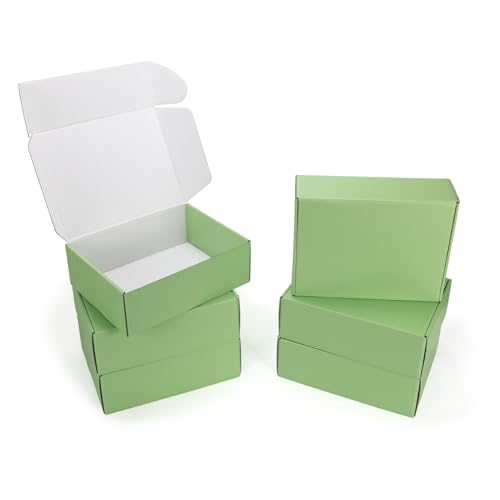
For those who live in homes with older microwaves that might have "hot spots," container durability is key to avoiding burnt edges. Be Green Packaging provides fiber-based boxes that are engineered to withstand uneven heat distribution better than thin plastic.
These boxes feel substantial in the hand, which gives you confidence when moving a hot meal from the microwave to the dining table. They are a great middle-ground option for anyone who wants a higher-quality feel without moving into the "luxury" price bracket.
Because they are quite sturdy, you might find yourself tempted to reuse them more than once. Just be sure to check the edges for any signs of wear before your next reheat to ensure the structural integrity remains sound.
Karat Earth Sugarcane Containers: Top Durability
![KARAT EARTH Clamshell Take Out Food Containers [8"x8", 200 ct ] - Compostable To Go Containers, Natural Biodegradable Bagasse, Made of Sugarcane Fibers](https://m.media-amazon.com/images/I/41O1HHsQ3IL._SL500_.jpg)
If you have ever had a container collapse under the weight of a hearty stew, you know why structural integrity matters. Karat Earth sugarcane containers are widely recognized for their density and strength, making them the top choice for heavy, moisture-rich meals.
These containers are built to handle the microwave’s steam without losing their shape. This makes them a favorite for homeowners who prioritize a mess-free experience, as you won’t have to worry about the container buckling while you pull it out of the appliance.
Though they are on the higher end of the price spectrum, the durability is worth it if you are tired of flimsy, single-use alternatives. They are a solid investment for anyone who hates the cleanup associated with a container failure.
Sabert Pulp Solutions for Safe Food Reheating
Sabert has a long-standing reputation in the food service industry, and their pulp-based containers bring that professional reliability into your home kitchen. These are excellent for those who want a product that has been rigorously tested for heat safety.
These containers are designed to be both microwave and freezer-safe, offering a level of versatility that is hard to beat. Whether you are reheating a slice of pizza or a bowl of stew, the pulp material handles the temperature fluctuations with ease.
If you are a renter with limited kitchen storage, the stackable nature of these containers is a major benefit. They are a reliable, professional-grade choice for the home cook who values consistency above all else.
Identifying Truly Microwave-Safe Foam Materials
It is a common misconception that all "foam" is the same, but when we talk about microwave-safe containers, we are actually referring to fiber-based molded pulp, not traditional polystyrene foam. You should always look for labels that explicitly state "microwave-safe" or "compostable."
Avoid any foam containers that feel like traditional white Styrofoam; those are generally not intended for high-heat applications. Always check the bottom of the container for a symbol or statement indicating it can withstand temperatures above 200°F.
When in doubt, stick to sugarcane (bagasse) or bamboo fiber products. These materials are naturally heat-stable, whereas petroleum-based foams can degrade and leach chemicals into your food when exposed to microwave radiation.
Why Sugarcane Fiber Outperforms Plastic Foam
Sugarcane fiber, or bagasse, is superior to plastic foam because it is inherently heat-resistant and porous enough to allow steam to escape. This prevents the "sweating" effect that often makes leftovers soggy in plastic containers.
Furthermore, sugarcane fiber is a renewable resource, unlike plastic foam which is derived from fossil fuels. Choosing fiber containers is a simple way to reduce your household’s plastic footprint without sacrificing the convenience of a quick reheat.
Ultimately, sugarcane fiber provides a cleaner, more natural experience for your food. You will notice that your reheated meals retain their texture and flavor much better when they aren’t trapped in a synthetic, non-breathable plastic environment.
Proper Techniques for Reheating Food in Foam
Even with the best container, your reheating technique matters. Always remove the lid or leave it slightly ajar to allow steam to vent, which prevents the container from building up internal pressure and potentially warping.
If you are reheating something with a high fat or sugar content, be careful, as these ingredients can reach temperatures that exceed the melting point of even the most durable materials. Use shorter, 30-second intervals and stir your food to ensure even heating throughout.
Finally, remember that these containers are designed for reheating, not for prolonged cooking. By respecting the limits of the material, you ensure the safety of your meal and the longevity of your container.
Making the switch to fiber-based, microwave-safe containers is a small change that yields big benefits for your daily routine. By focusing on materials like sugarcane and pulp, you ensure your leftovers are heated safely and effectively. Choose the option that best fits your storage space and budget, and enjoy the peace of mind that comes with a smarter kitchen habit.