

7 Best Antimicrobial Dishcloths For Humid Climates
Combat mildew in humid kitchens with our top 7 antimicrobial dishcloths. Discover fabrics that resist odors and dry fast to keep your workspace hygienic.
Living in a humid climate often turns a simple kitchen dishcloth into a breeding ground for sour odors and unwanted bacteria within hours. Finding the right tool for the job requires balancing absorbency, drying speed, and material resistance to moisture. These seven selections are designed to stand up to damp environments while keeping your kitchen surfaces clean and fresh.
Swedish Wholesale Cellulose: Best All-Rounder


If you’ve ever felt like your kitchen sponge is constantly damp, Swedish cellulose cloths are a game-changer. These cloths are essentially a hybrid between a sponge and a traditional towel, offering incredible absorbency without the bulk that traps moisture.
They are perfect for small apartment kitchens where counter space is limited and you need a tool that can be rinsed and hung to dry in seconds. Because they are thin and porous, they release water easily, preventing that dreaded "sour rag" smell that plagues humid households.
The bottom line is that these are the most versatile option for daily wiping. They hold up through dozens of machine washings, making them a cost-effective choice for any home size.
Geometry Kitchen Cloths: Best Quick-Dry Choice
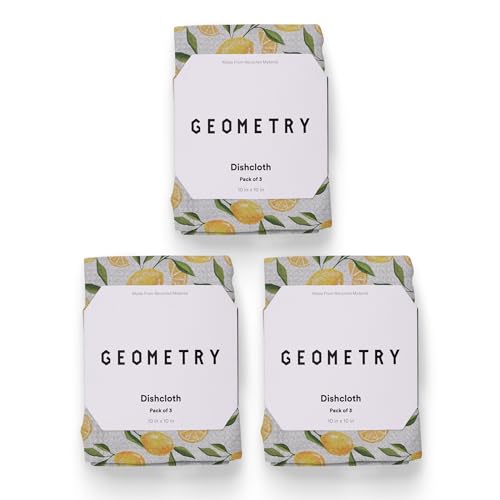
Geometry cloths have gained popularity for good reason, specifically their proprietary microfiber blend that prioritizes rapid evaporation. In a humid climate, the faster a cloth dries, the less time bacteria have to colonize the fibers.
These cloths are particularly useful for households that do a lot of heavy-duty cooking and need a cloth that doesn’t stay sodden after wiping down a large granite countertop. Their thin profile allows for excellent airflow, which is critical when the ambient humidity is high.
While they carry a higher price point than basic cotton rags, the longevity and performance in damp conditions justify the investment. If you are tired of reaching for a wet, heavy towel, this is your best upgrade.
Scotch-Brite Non-Scratch: Best Scrubbing Power
Clean tough messes without scratching with these six Scotch-Brite Zero Scratch Scrub Sponges. Their S-shape offers a comfortable grip for tackling grease and grime on nonstick cookware, countertops, and tubs.

Sometimes you need more than just a wipe; you need actual friction to remove dried-on food. Scotch-Brite non-scratch cloths combine a soft, absorbent side with a textured scrubbing side, making them a dual-purpose powerhouse.
These are excellent for homeowners with delicate surfaces like glass cooktops or non-stick pans that require gentle but firm cleaning. The synthetic materials used in these cloths are inherently more resistant to mold than natural fibers, which is a major advantage in tropical or humid zones.
Just be sure to rinse them thoroughly after use to remove food particles. Their durability makes them a reliable staple, though they are less "eco-friendly" than cellulose or bamboo options.
AIDEA Microfiber Cloths: Best Value Multi-Pack

When you have a busy household with kids or pets, you go through dishcloths at an alarming rate. AIDEA microfiber packs offer a high-volume solution that allows you to rotate through fresh cloths daily without breaking the bank.
Microfiber is exceptional at trapping bacteria and dust, and these cloths are thick enough to handle spills while remaining easy to wring out. Having a large stack means you can toss the used one directly into the laundry and grab a clean, dry one every single morning.
This is the most practical choice for large families or shared housing situations. You don’t have to worry about one cloth getting ruined because you have a fresh one ready to go at all times.
BambooMN Bamboo Fiber: Best Natural Antibacterial

Bamboo fibers have natural properties that make them resistant to odors and microbial growth, which is a massive benefit in high-humidity regions. These cloths feel soft, almost like a luxury towel, yet they are surprisingly durable.
They are an excellent choice for those who prefer natural, renewable materials over synthetic polyester or nylon. Because bamboo is naturally absorbent, these cloths can handle significant spills while still drying out much faster than traditional heavy cotton towels.
Keep in mind that bamboo fibers can be delicate; avoid using harsh bleach, which can break down the material. If you treat them well, they provide a clean, fresh-smelling alternative to standard kitchen rags.
Tubby Todd Copper-Infused: Best Odor Resistance
Copper is well-known for its antimicrobial properties, and integrating it into dishcloths is a brilliant solution for humid environments. These cloths are specifically engineered to stop odor-causing bacteria from taking hold in the first place.
If you find that your kitchen constantly smells slightly musty despite your best efforts, this technology is likely worth the premium. They are particularly effective for drying hands or wiping down surfaces where you want an extra layer of hygiene.
While the price per cloth is higher, the odor-resistance means you won’t have to replace them as frequently due to "permanent" smells. It’s an investment in comfort and kitchen cleanliness.
Full Circle Tidy Dish Cloths: Best Sustainable

Full Circle focuses on the intersection of utility and environmental responsibility, using plant-based cellulose and recycled materials. These cloths are rugged enough to handle heavy scrubbing but designed to be compostable at the end of their life cycle.
For the eco-conscious homeowner, these provide a way to maintain a clean kitchen without relying on synthetic plastics that shed microfibers. They are highly absorbent and have a waffle-weave texture that helps them dry out faster than flat-weave cotton.
They strike a great balance between performance and footprint. If you want a cloth that performs well in humidity but aligns with your sustainability goals, this is the top contender.
Why Humidity Causes Dishcloth Odor and Bacteria
In high-humidity environments, the ambient moisture in the air prevents your dishcloths from ever fully drying out between uses. Bacteria and mold thrive in these damp, dark pockets of fabric, leading to that characteristic sour, musty smell.
When a cloth stays wet for more than a few hours, it becomes a petri dish for microbes. This isn’t just an odor issue; it’s a hygiene concern, especially when you are using that same cloth to wipe down food preparation surfaces.
Understanding this cycle is key: the goal isn’t just to clean, but to ensure the tool itself remains dry. If your environment is humid, your dishcloth management strategy must prioritize speed of drying over everything else.
Essential Tips for Keeping Dishcloths Fresh
- Wring it out thoroughly: After every use, wring your cloth as tightly as possible to remove excess water.
- Spread, don’t bunch: Never leave a dishcloth in a crumpled pile; drape it over a faucet or a dedicated drying rack to maximize airflow.
- Rotate daily: Have a system where you swap out your cloth every 24 hours, regardless of how "clean" it looks.
- Sanitize regularly: Wash your cloths in hot water with a cup of white vinegar to break down residue and kill lingering bacteria.
When to Replace Your Dishcloths for Hygiene
Even the most durable dishcloth has a lifespan, and holding onto them too long is a common mistake. If your cloth has developed a permanent sour odor that doesn’t disappear after a hot wash, it’s time to retire it.
Look for signs of material degradation, such as fraying edges, thinning fabric, or holes, which can trap food particles and bacteria. For most households, a rotation of cloths should be completely replaced every three to six months.
Don’t feel guilty about tossing an old cloth; think of it as maintaining the health of your kitchen. Prioritize your family’s hygiene over the small cost of a new pack of cloths.
Maintaining a fresh kitchen in a humid climate is all about managing moisture and rotating your tools frequently. By choosing the right material and establishing a daily drying routine, you can eliminate sour odors for good. Choose the option that best fits your household size and budget, and don’t be afraid to replace your cloths when they no longer perform.

