

7 Best Business Card Binder Pages for Three-Ring Binders
Organize your contacts efficiently with our top 7 business card binder pages. Discover durable, clear options that keep your professional network secure.
Whether you are a small business owner or simply trying to declutter your home office, a disorganized stack of business cards is a common source of stress. Finding the right binder pages can turn a chaotic pile into a searchable, professional reference system. This guide will help you select the perfect storage solution to match your specific organizational needs and storage constraints.
Ultra Pro Platinum 9-Pocket: The Gold Standard
Safely store and display up to 900 trading cards with these acid-free, UV-protected 9-pocket pages. Designed for standard binders, they offer a perfect fit for 2.5 x 3.5 inch cards.
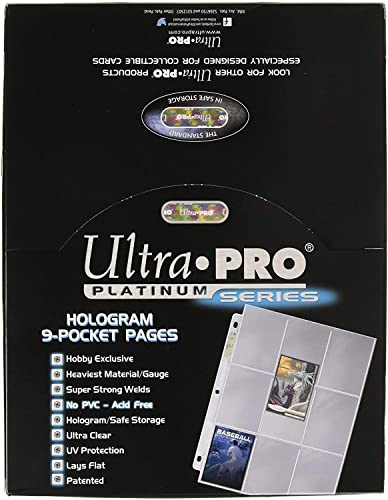

If you have ever collected trading cards or professional contacts, you have likely encountered the Ultra Pro name. These pages are the industry benchmark for a reason, offering a balance of clarity and structural integrity that holds up well over years of use. They are perfect for the homeowner who wants a "set it and forget it" solution for their most important contacts.
The material is thick, acid-free, and PVC-free, which ensures that your cards won’t yellow or degrade over time. Because they fit standard three-ring binders, they are an excellent choice for those living in apartments where shelf space is at a premium and a single, consolidated binder is more practical than a bulky desktop card file.
The bottom line here is consistency. While they might cost a bit more than generic store brands, the peace of mind knowing your cards are protected from chemical damage is well worth the slight price premium.
BCW Pro 20-Pocket Pages for High Capacity

For those who attend frequent networking events or manage a large household of professionals, space efficiency is the primary concern. The BCW Pro 20-pocket pages allow you to maximize every inch of your binder by storing cards back-to-back. This is a game-changer if you need to store hundreds of contacts in a single, slim profile.
These pages are double-sided, meaning you can flip through them like a book without the bulk of extra plastic sheets. If you are tight on desk space or need to keep your home office footprint small, this is the most efficient way to manage high volumes of information.
Keep in mind that because these are high-density, the pages can become heavy when fully loaded. Ensure your three-ring binder has a sturdy spine to prevent it from bowing on your shelf over time.
Avery Business Card Pages for Standard Binders
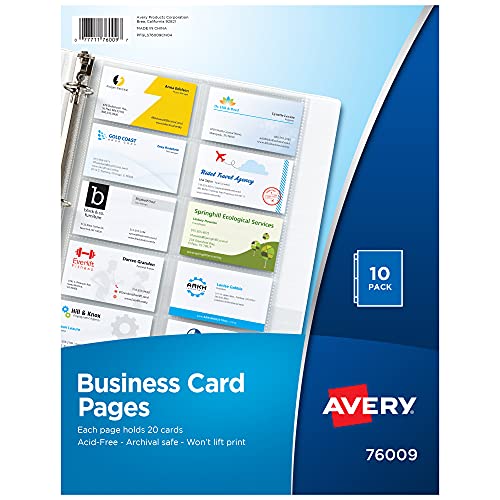
Avery is a household name for a reason: their products are designed to work seamlessly with the office supplies you likely already have in your junk drawer. These pages are widely available and offer a straightforward, no-nonsense design that fits perfectly into any standard school or office binder.
They are ideal for the casual organizer who just needs a place to tuck away a few dozen cards from local contractors, plumbers, or real estate agents. You don’t need specialized equipment or expensive archival binders to make these work; a simple binder from a local discount store will do.
While they may lack the heavy-duty archival rating of premium brands, they are perfectly adequate for day-to-day use. They represent the best value for budget-conscious homeowners who prioritize convenience over long-term preservation.
Samsill Sheet Protectors for Durable Storage

If your binder lives in a high-traffic area, such as a garage workshop or a busy kitchen command center, you need something more robust. Samsill pages are known for their reinforced edges, which prevent the holes from tearing out even after years of flipping through pages.
These are particularly useful if you share your binder with family members or colleagues. The added durability means you won’t have to worry about pages falling out or the binder rings eventually chewing through the plastic.
They are a bit thicker than standard pages, so they provide a nice, tactile feel when browsing. If you are a renter who moves frequently, this extra durability ensures your collection survives the transition between homes without incident.
Vault X Premium Pages for Archival Protection

Vault X is a fantastic choice if you view your collection as something that needs to last for decades. These pages are designed with archival-safe, non-glare material that keeps your cards looking crisp and readable, even under harsh overhead lighting.
The side-loading design is a standout feature, as it prevents cards from slipping out if the binder is accidentally turned upside down. This is an essential feature for families with children or pets who might knock your office supplies off a desk.
While they are positioned as a premium product, the investment is justified if you are storing rare or irreplaceable contact information. They offer a level of security that makes them feel more like a permanent archive than a temporary storage solution.
Dunwell Multi-Purpose Pages for Easy Loading

Sometimes, the simplest design is the most effective. Dunwell pages are favored for their user-friendly layout, which makes sliding cards in and out a breeze. If you are someone who constantly updates your contacts, you will appreciate the lack of resistance when refreshing your pages.
These pages are crystal clear, providing a professional look that makes it easy to read fine print or logos on the cards. They are a great middle-ground option for the homeowner who wants something better than the cheapest store brand but doesn’t need professional-grade archival protection.
They lie very flat in the binder, which is a significant advantage if you have limited shelf space. A thinner, flatter binder is much easier to tuck into a bookshelf or a tight desk drawer.
Cardinal Heavyweight Pages for Frequent Use
If you are a professional who references your contacts daily, you need pages that can withstand constant handling. Cardinal’s heavyweight line is designed specifically for this purpose, featuring a thicker gauge of plastic that resists creasing and curling.
These pages feel substantial in your hand, giving the whole binder a high-quality, durable feel. They are perfect for the home office that functions as a workspace for multiple people, as they hold up to the rigors of shared use without showing wear.
The trade-off is that they take up more space in the binder than thinner options. Plan for a larger binder spine if you intend to fill it to capacity with these heavyweight sheets.
How to Choose the Right Material for Durability
When selecting your pages, the most important factor is the chemical composition of the plastic. Look for labels that say "PVC-free" or "acid-free" to ensure your cards don’t stick to the plastic or become discolored over time.
Polypropylene is generally the gold standard for long-term storage. It is inert, meaning it won’t react with the ink on your cards, and it is flexible enough to resist cracking in cold or dry home environments.
- For long-term storage: Always prioritize polypropylene and acid-free materials.
- For high-traffic use: Look for reinforced edges and thicker gauge plastic.
- For budget constraints: Don’t be afraid of standard vinyl, provided you aren’t storing sensitive or vintage cards.
Understanding Page Capacity and Binder Fit
Before you buy a pack of 100 pages, verify the size of your binder rings. A one-inch binder will struggle to hold a large volume of cards in thick pages, while a three-inch binder might be overkill for a small, curated collection.
Consider the "page count vs. ring size" ratio. If you overload a small binder, the pages will bow, making it difficult to turn them and potentially damaging the cards near the rings.
- 1-inch binder: Best for 20–30 pages.
- 2-inch binder: Ideal for 50–70 pages.
- 3-inch binder: Use only for massive collections exceeding 100 pages.
Tips for Organizing Your Business Card Collection
Organization is a personal process, but starting with a logical system will save you hours of searching later. Categorizing by industry (e.g., "Home Maintenance," "Financial," "Medical") is usually the most effective method for homeowners.
Don’t be afraid to purge your collection annually. If you haven’t needed a specific contact in two years, it’s likely safe to remove it and free up space for new, relevant connections.
- Use alphabetized tabs: These make finding a specific name instantaneous.
- Keep a "To-Do" section: Use the first few pages for cards you need to follow up with immediately.
- Digitize as you go: If you have a scanner, keep a digital backup so you don’t have to carry the physical binder everywhere.
Finding the right business card binder pages is about balancing your need for organization with the physical space you have available in your home. By choosing materials that match your usage frequency and prioritizing a system that makes sense for your lifestyle, you can keep your important contacts safe and accessible. Remember that the best system is the one you actually use, so don’t be afraid to start simple and adjust as your needs grow.
