

7 Best Organic Seed Starting Soil Blocks for Success
Boost your garden with our top 7 organic seed starting soil blocks. Discover the best nutrient-rich picks to ensure healthy growth and strong root development.
Starting your own garden from seed is one of the most rewarding ways to save money and ensure fresh produce for your kitchen table. Choosing the right soil medium is the critical first step in ensuring those tiny seeds transform into robust, healthy transplants. This guide will help you navigate the best organic options to make your seed-starting season stress-free and productive.
Burpee Organic Seed Starting Mix for Blockers
Start seeds successfully with this OMRI-listed organic coconut coir mix. It provides ideal moisture retention and aeration for improved germination and root development, expanding easily from a compact brick.
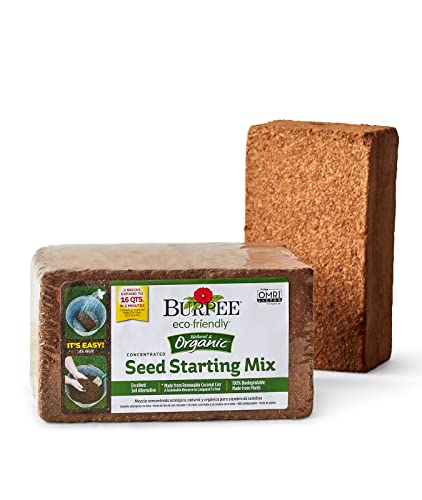

If you are a busy parent or professional, you likely need a mix that is ready to go the moment you open the bag. Burpee’s organic mix is finely textured, which is essential for uniform soil blocks that hold their shape without crumbling.
Because this mix is widely available at most local hardware stores, it is a convenient choice for those who don’t have time to hunt for specialty supplies. It balances water retention with aeration, meaning you won’t have to hover over your seedlings with a watering can every few hours.
The bottom line is that this is a reliable, "set it and forget it" option for beginners. It may be slightly more expensive than bulk professional mixes, but the convenience for small-scale apartment or patio gardening is well worth the price.
Espoma Organic Seed Starter for Strong Roots

When you are starting seeds for a larger backyard garden, root health becomes your primary concern to ensure plants survive the transition to the ground. Espoma is known for including beneficial mycorrhizae, which are fungi that help roots absorb nutrients more efficiently.
This mix is particularly effective if you tend to struggle with "leggy" seedlings that seem to fail once they hit the garden bed. The added microbes create a biological buffer that protects young roots from common transplant shock.
While it is a premium product, the investment pays off in higher survival rates for your vegetable starts. It is an excellent choice for homeowners who want to maximize their harvest yield without needing to add extra fertilizers early on.
Coast of Maine Organic Soil for Seed Blocks

If you live in a region with heavy, clay-based soil, you know how hard it can be to get a garden started from scratch. Coast of Maine uses high-quality compost and peat, providing a rich, dark medium that mimics the forest floor.
This mix is quite dense, so it holds its shape exceptionally well when used with a soil blocker tool. It is perfect for those who prefer an organic, earth-friendly approach and want to avoid synthetic wetting agents often found in cheaper, big-box store alternatives.
Just remember that because this mix is so nutrient-dense, it is best for seeds that are going to stay in their blocks for a few weeks. It is a fantastic choice for the eco-conscious gardener who values soil biology over sterile, quick-growth formulas.
Gardener’s Supply Co. Organic Seed Starting Mix
For those living in apartments or homes with limited storage space, buying massive bags of soil is rarely practical. Gardener’s Supply Co. offers a mix that is specifically designed to be lightweight and easy to manage in small indoor spaces.
The texture is incredibly consistent, which helps prevent the air pockets that can cause seeds to dry out prematurely. Because it is peat-free, it appeals to gardeners looking for sustainable alternatives to traditional potting mediums.
This is a professional-grade product that simplifies the process for those who only have a few windowsills to work with. It is a bit pricier, but the lack of mess and high success rate makes it a smart choice for urban gardeners.
Hoffman Organic Seed Starter for Healthy Growth

If you are a thrifty gardener who wants to start dozens of varieties of flowers and herbs, Hoffman offers a great balance of quality and value. It is a straightforward, no-frills mix that provides exactly what a seed needs to germinate: moisture and stability.
This mix is less "fluffy" than some premium brands, which actually makes it easier to compress into firm, durable soil blocks. It is a workhorse product that doesn’t rely on fancy marketing or unnecessary additives to get the job done.
You might find you need to supplement with a light liquid organic fertilizer once the first true leaves appear. For the budget-conscious homeowner, this is the most practical way to get a massive head start on the spring season.
Baccto Organic Professional Seed Starter Mix
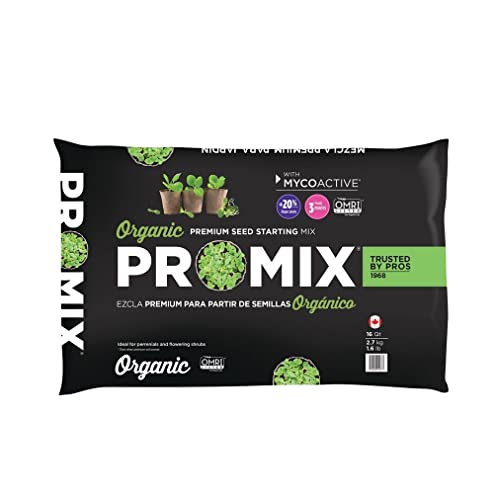
Commercial growers often rely on Baccto because it is incredibly predictable and sterile, which helps prevent the dreaded "damping off" disease. If you have had bad luck with mold or fungus in your seed trays previously, this is the solution you need.
It is a finer-grade mix, which allows for excellent contact between the seed and the soil. This ensures that even the smallest seeds, like lettuce or peppers, germinate at a high percentage.
While it is often sold in larger bags, the shelf life is long if you keep it sealed in a cool, dry place. It is the best choice for the serious home gardener who treats their seed-starting station like a mini-nursery.
FoxFarm Light Warrior for Optimal Germination

FoxFarm is a cult favorite for a reason: it is packed with humic acid and beneficial bacteria that jumpstart plant growth. If you are starting difficult-to-grow perennials or expensive heirloom vegetables, this mix provides an extra layer of insurance.
The mix is very airy, which encourages roots to spread out quickly rather than circling the bottom of the block. It is a "luxury" soil in the world of seed starting, but it is worth it if you are struggling with poor germination rates.
Use this if you have a specific, high-value project in mind, such as starting rare tomato varieties or prize-winning flowers. It is an investment in your garden’s success that minimizes the risk of losing your seeds to poor soil conditions.
Essential Ingredients for Perfect Soil Blocks
To make a successful soil block, your medium needs three primary components: a base, an aerator, and a binder. The base is typically peat moss or coconut coir, which provides the bulk of the volume.
The aerator, usually perlite or vermiculite, keeps the block from becoming a solid, suffocating brick. Finally, the binder—often compost or worm castings—is what allows the block to hold its shape when you release it from the tool.
- Peat Moss/Coir: Holds moisture like a sponge.
- Perlite: Keeps the soil from compacting too tightly.
- Compost: Provides the "glue" and early nutrients.
If your blocks are falling apart, you likely need more compost or a slightly higher moisture content in your mix. Don’t be afraid to experiment with these ratios until you find the consistency that works best with your specific blocker tool.
How to Mix Your Own Organic Soil Block Medium
Mixing your own soil is the ultimate way to save money if you are starting a large garden. Start by using a large plastic tub or wheelbarrow to combine your dry ingredients thoroughly.
Add water slowly, using a spray bottle or a light hose setting, until the mixture reaches the consistency of damp cake batter. You should be able to squeeze a handful into a ball that stays together without dripping excess water.
- Proportion: Use a 3:1:1 ratio of peat/coir to compost to perlite.
- Sifting: Always sift your compost to remove large twigs or debris that will ruin your blocks.
- Storage: Store unused dry mix in airtight containers to keep it free of pests.
Making your own mix allows you to customize the nutrient levels based on what you are growing. It is a bit more labor-intensive, but it is the most rewarding way to take full control of your garden’s foundation.
Troubleshooting Common Seed Starting Challenges
The most common issue homeowners face is "damping off," where seedlings suddenly collapse at the soil line. This is almost always caused by poor air circulation or overwatering, so ensure you have a small fan running near your trays.
If your soil blocks are crumbling, the mix is likely too dry or lacks enough organic binder. Conversely, if your seeds aren’t germinating, check the temperature of your growing area, as most seeds need warmth to wake up.
- Mold on top: Scrape it off and improve airflow immediately.
- Stunted growth: Your soil may be too dense; try adding more perlite next time.
- Yellowing leaves: This usually indicates a need for a light, organic liquid fertilizer.
Remember that gardening is a process of trial and error, not a test of your personal skill. Start small, observe how your plants react to the soil, and adjust your routine as you gain experience throughout the season.
Armed with the right soil and a bit of patience, you are well on your way to a successful growing season. Remember that consistency is more important than finding the most expensive product on the shelf. Happy planting, and may your garden be as productive as you hope.
