

7 Best Three-Bin Compost Systems for Your Garden
Maximize efficiency with a three-bin system. Our guide reviews the 7 best models to help you manage waste, speed up decomposition, and enrich your garden soil.
Managing kitchen scraps and yard waste can transform your daily chores into a rewarding cycle of soil enrichment. A three-bin system is the gold standard for home composting, allowing you to manage fresh waste, active breakdown, and finished compost simultaneously. Choosing the right setup depends largely on your available space and how much time you want to dedicate to turning piles.
Lifetime 60058: Best Overall Three-Bin System
If you have a suburban backyard and want a set-it-and-forget-it solution, this heavy-duty plastic system is a top contender. It features a sturdy, weather-resistant design that holds up well against the elements without warping or cracking over time.
The modular panels are easy to snap together, meaning you don’t need a workshop full of tools to get started. Its neutral aesthetic blends into most landscapes, keeping your yard looking tidy while the decomposition process happens out of sight.
Because it is made from high-density polyethylene, it effectively retains heat to speed up the composting process. While it is a larger investment, the durability ensures you won’t be shopping for a replacement in a few years.
FCMP Outdoor IM4000: Best Rotating Bin Setup
Create nutrient-rich compost quickly with this 37-gallon dual-chamber tumbler. Its 8-sided design and deep fins make turning easy, while continuous composting ensures a steady supply for your garden.


For those who struggle with the physical labor of turning heavy piles with a pitchfork, rotating bins are a game-changer. The IM4000 series allows you to tumble your waste effortlessly, which aerates the pile and promotes faster breakdown.
This system is ideal for smaller yards where you want to keep the process contained and pest-free. The elevated design keeps the bin off the ground, which can be a significant advantage if you live in an area prone to rodents or burrowing animals.
However, keep in mind that tumblers have a limited capacity compared to open-air bins. They work best for households that produce consistent, moderate amounts of kitchen waste rather than massive piles of autumn leaves.
Exaco ECO-Master: Best for Small Urban Gardens

Living in a townhome or a house with a postage-stamp yard shouldn’t stop you from composting. The Exaco ECO-Master is designed with a slim footprint that fits neatly into tight corners, making it perfect for maximizing every square inch of outdoor space.
This bin focuses on efficiency, utilizing a clever design that encourages airflow while keeping the pile insulated. It is lightweight enough to move if you decide to reorganize your garden beds at the end of the season.
While it lacks the massive capacity of a triple-bay wooden system, it is perfectly adequate for a small household’s daily scraps. It is a practical, no-frills choice for those who want to reduce their footprint without sacrificing their entire patio.
Garden Composter Cedar Bin: Best Natural Option

If you prefer the look of natural wood over plastic, a cedar three-bin system is a classic choice that ages beautifully in the garden. Cedar is naturally rot-resistant, making it one of the few woods that can handle constant moisture without needing chemical treatments.
These bins are typically modular, allowing you to remove individual slats as you reach into the pile to harvest finished compost. This accessibility is a major benefit when you are ready to spread soil amendments in the spring.
Be aware that wooden bins require a bit more upkeep than plastic alternatives. You may need to tighten screws or occasionally check for wear, but the aesthetic payoff and the ability to customize the size make them worth the effort for many homeowners.
Toter Backyard Composter: Best Durable Choice
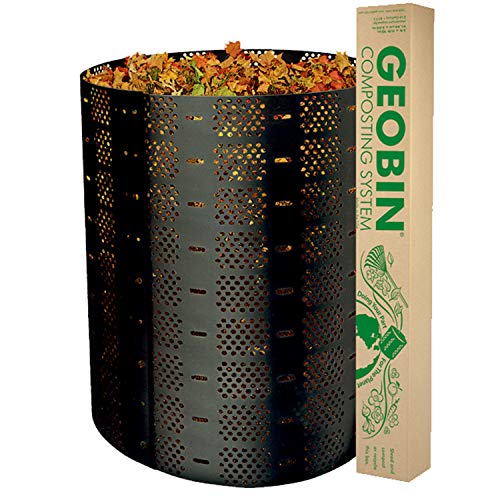
When you need a bin that can withstand harsh winters and intense summer sun, the Toter system is built like a tank. It is constructed from industrial-grade plastic that is designed to last for years, even in high-traffic areas of the yard.
The lid design is particularly helpful, as it is easy to open with one hand while you are carrying a bucket of scraps. This feature alone makes it a favorite for busy households where convenience is the primary driver of success.
While it is more expensive than entry-level bins, the long-term value is hard to beat. If you want a "buy it once" solution that won’t become brittle after a few seasons, this is a solid choice.
Good Ideas Compost Wizard: Best Modular System

The Compost Wizard is an excellent option for families who want to start small and scale up as their gardening habits evolve. Its modular structure allows you to add extra units as your yard waste increases or your garden beds expand.
The base includes a built-in reservoir that catches "compost tea," a nutrient-rich liquid that you can dilute and use as a liquid fertilizer. This turns a waste-management task into a resource-generating activity for your vegetable garden.
Because of its unique shape, it is very easy to roll the bin to a new location if needed. It is a smart choice for those who value versatility and want a system that can grow alongside their household needs.
Earth Maker Three-Stage: Best for Fast Results

If your goal is to generate finished compost as quickly as possible, the Earth Maker is designed to maximize the biology of the pile. It uses a three-stage system that moves material from fresh to finished in a continuous, efficient flow.
The design creates a chimney effect that pulls air through the center of the pile, which is essential for aerobic decomposition. This active airflow prevents the foul odors often associated with poorly managed, stagnant compost heaps.
This is a professional-grade tool for the serious gardener who views composting as a central part of their routine. While it requires more active management to keep the stages moving, the reward is a steady supply of high-quality organic matter.
How to Choose the Right Bin Size for Your Yard
When selecting a bin, start by measuring your available flat ground and ensuring you have at least three feet of clearance around the perimeter. A common mistake is buying a bin that is too small, which can lead to a pile that doesn’t generate enough heat to break down effectively.
Consider the volume of waste your household generates weekly, including both kitchen scraps and yard trimmings. A family of four will need significantly more capacity than a single person living alone.
- Small yards: Aim for 10–15 cubic feet of total capacity.
- Medium yards: 20–30 cubic feet is usually the "sweet spot."
- Large properties: Look for 40+ cubic feet to accommodate seasonal leaf cleanup.
Essential Maintenance for Active Compost Bins
Even the best bin needs a little human intervention to stay productive throughout the year. Every few weeks, check the moisture level of your pile; it should feel like a wrung-out sponge. If it’s too dry, add a splash of water; if it’s too wet, add more dry carbon materials.
Turning your pile—or rotating your tumbler—is the single most important maintenance task. This introduces oxygen to the microbes that do the actual work of breaking down your waste.
Don’t forget to keep the area around your bin clear of tall weeds and debris. This prevents unwanted pests from nesting near your compost and keeps your workspace clean and accessible for your daily routines.
Balancing Browns and Greens for Optimal Soil
The secret to a healthy, odorless compost pile is the ratio of "browns" to "greens." Browns include carbon-rich materials like dried leaves, straw, shredded cardboard, and wood chips. Greens are nitrogen-rich materials like vegetable scraps, grass clippings, and coffee grounds.
A good rule of thumb is to maintain a ratio of roughly three parts brown to one part green. If your pile starts to smell, it usually means you have too many greens or the pile is too wet.
Adding a layer of browns on top of your kitchen scraps every time you add them acts as a filter. This simple habit prevents fruit flies and keeps your system running smoothly without constant troubleshooting.
Investing in a quality three-bin system turns your household waste into a valuable resource for your garden. Whether you choose a durable plastic unit or a natural cedar bin, the key is consistency in your routine. Start small, stay patient, and enjoy the process of turning kitchen scraps into garden gold.
