

7 Best Industrial Permanent Markers for Estate Sale Pricing
Find the top 7 industrial markers for estate sales. Learn which durable, fade-resistant pens ensure clear, lasting pricing on any surface for your next sale.
Organizing an estate sale requires clear, durable pricing that can withstand high foot traffic and constant handling by prospective buyers. Choosing the right marker ensures your pricing remains legible while protecting the integrity of the items you are selling. This guide helps you navigate the best industrial marking options to streamline your sale preparation.
Sharpie Magnum: Best for Large, Bold Price Tags
Mark bold, wide lines with this 2-pack of black Sharpie Magnum permanent markers. Featuring a durable aluminum barrel and a 15.88 mm chisel tip, these markers are built for lasting performance.


When you are setting up a sale in a large house or a garage, visibility is your biggest asset. The Sharpie Magnum features an oversized felt tip that produces massive, unmissable numbers on cardboard boxes or large furniture items. It is the gold standard for creating signage that guides shoppers from across the room.
However, because the tip is so broad, it is not suitable for small knick-knacks or delicate antiques. You will find that this marker works best for bulk items where you don’t need to worry about the ink bleeding into fine details. It is a cost-effective choice for those who need to label a high volume of large items quickly.
The bottom line is that the Magnum is a specialized tool for your "big ticket" items. Keep it handy for your furniture and large appliance zones, but leave it in the drawer when you move to the jewelry or glassware displays.
Milwaukee Inkzall: Best for Smooth, Oily Surfaces
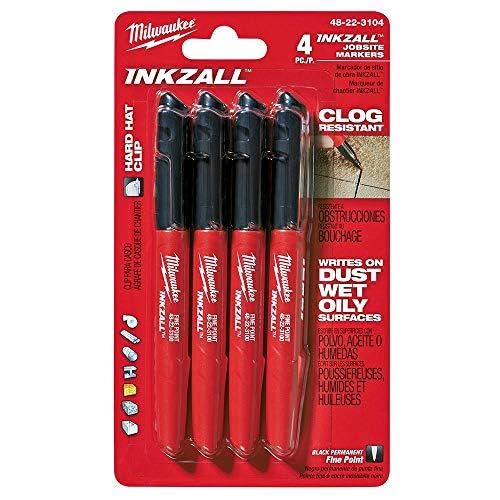
Estate items often come from workshops or kitchens where surfaces might have a thin film of oil or grime. The Milwaukee Inkzall is engineered specifically for these challenging environments, cutting through residue to leave a crisp mark where standard markers would simply smudge.
I recommend this marker for homeowners dealing with tools, hardware, or kitchen items that haven’t been deep-cleaned yet. Its "clog-resistant" tip is a lifesaver when you are working in a dusty garage or a shed. You won’t have to stop to wipe the surface down every single time you pick up a new item.
While it is slightly pricier than a standard office marker, the time saved in preparation is well worth the investment. It is a reliable workhorse that won’t dry out if you leave the cap off for a few minutes during a busy setup.
Dixon Phano China Marker: Best for Glass and China

If you are pricing delicate glassware or polished ceramics, standard permanent ink is your enemy. The Dixon Phano is a wax-based pencil that marks clearly on non-porous surfaces without the risk of permanent staining. It is the professional’s choice for items where you want the price to be visible but easily removable.
Using a wax marker feels like writing with a crayon, which offers a level of control that liquid markers simply cannot match. You can easily write on the bottom of a vase or the rim of a plate. Because it is wax, it won’t run or bleed if the item is accidentally exposed to moisture.
The trade-off is that these markers need to be sharpened, and the marks can be rubbed off if shoppers handle the item too aggressively. Keep a small piece of tissue handy to wipe away the mark once the item is sold.
Sakura Solid Marker: Best for Dusty Attic Items

Attic finds are often covered in a layer of fine dust that makes marking nearly impossible. The Sakura Solid Marker is essentially solidified paint in a stick form, allowing you to write on rough, dirty, or uneven surfaces with ease. It is perfect for old wooden crates, rusted metal, or concrete items.
This marker performs where others fail because it physically deposits a layer of paint rather than relying on a felt tip to soak into the surface. It is incredibly durable and weather-resistant, making it a great choice if your estate sale includes an outdoor component.
Just be aware that because it is paint, it takes a moment to dry and can be difficult to remove from porous surfaces. Use it only on items where you are certain the mark won’t diminish the value or appearance of the piece.
Markal Pro-Line XT: Best for Metal and Hardware

When you are selling a collection of metal tools, machinery, or industrial hardware, you need a marker that can withstand friction and handling. The Markal Pro-Line XT uses a permanent, xylene-free paint that adheres firmly to metal, even if it is slightly rusty or damp.
This marker is ideal for homeowners who have a massive collection of loose hardware or automotive parts. The fine tip allows you to label small metal components without the ink pooling or running. It is a robust option that feels more like a tool than a piece of stationery.
It is worth noting that this marker is designed to be permanent, so be very careful where you apply it. It is not suitable for high-end antiques or items with original finishes that you want to preserve.
Bic Intensity Pro: Best for Fine Tip Precision

Not every item at an estate sale is a large piece of furniture; often, the most valuable items are small collectibles. The Bic Intensity Pro offers a fine, precise tip that allows you to write clearly on small price tags or the underside of delicate objects. It is the perfect "all-rounder" for the items that require a gentle touch.
Unlike some industrial markers that have a strong chemical smell, the Intensity Pro is relatively low-odor. This makes it much more pleasant to use when you are spending hours labeling in a small, enclosed room. It is a budget-friendly option that you can buy in bulk for the whole family to help with the pricing process.
The main trade-off is that it is not as heavy-duty as the Milwaukee or Markal options. It will struggle on oily or extremely dusty surfaces, so keep it for your clean, indoor inventory.
Uline Industrial Marker: Best for Bulk Labeling
If you have a massive estate to manage, you need a marker that won’t quit on you halfway through the job. The Uline Industrial Marker is designed for high-volume use, featuring a large ink reservoir and a durable tip that maintains its shape over thousands of marks. It is the ultimate choice for the "marathon" pricing session.
This marker is excellent for labeling boxes, crates, and large plastic bins. It is incredibly reliable and rarely skips, ensuring that your inventory system remains consistent from the first item to the last. It is a utilitarian choice that prioritizes function over form.
While it might be overkill for a small apartment sale, it is indispensable for a full house clearance. The cost per unit is low, making it an economical choice for large-scale operations.
Choosing the Right Tip Size for Different Surfaces
The size of your marker tip should always be proportional to the item you are pricing. Using a massive chisel tip on a small figurine is not only unsightly, but it can also make the item look cheaper. Conversely, a fine tip will be lost on a large piece of furniture or a cardboard box.
- Fine/Extra Fine: Use for jewelry, small trinkets, glassware, and paper tags.
- Medium/Bullet: Use for books, kitchenware, and medium-sized home decor.
- Chisel/Broad: Use for furniture, appliances, and large storage containers.
Always keep a variety of tip sizes on hand to ensure your pricing looks professional and intentional. A consistent look across all your items creates a sense of order that makes shoppers feel more confident in their purchases.
How to Prevent Ink Bleed on Delicate Vintage Paper
Labeling vintage books, photographs, or paper ephemera requires extreme caution. The ink from standard markers can easily bleed through thin, aged paper, potentially damaging a valuable item. When in doubt, always use a separate adhesive price tag rather than writing directly on the vintage material.
If you must write on the item, use a pencil or a non-permanent wax marker. Test a small, inconspicuous corner first to see how the paper reacts to the ink. If you see the ink beginning to spread, stop immediately and switch to a dry adhesive label.
For paper items, the best approach is to place them in a clear plastic sleeve and mark the price on the plastic. This keeps the item safe while still providing the necessary information to the buyer.
Essential Tips for Removing Price Marks Post-Sale
If you have marked an item that didn’t sell, you will want to clean it up before bringing it back into your home. For non-porous surfaces like glass or plastic, a little bit of rubbing alcohol or a dry-erase marker can often lift permanent ink. Simply color over the old mark with a dry-erase marker and wipe it clean.
For metal or wood, be much more careful, as harsh solvents can strip the finish. Start with a gentle cleaner or a specialized adhesive remover. Always test a hidden area first to ensure the cleaner does not damage the underlying material.
If you used a wax-based marker, a simple soft cloth and a bit of elbow grease are usually all you need. The most important rule is to be patient; scrubbing too hard is the fastest way to ruin a perfectly good item.
Pricing your items correctly is the foundation of a successful and stress-free estate sale. By selecting the right marker for each specific surface, you protect your inventory while ensuring clear communication with your buyers. With these tools in your kit, you are ready to organize your sale with confidence and professional precision.

