

7 Best Washable Feather Dusters for Frequent Use
Keep your home pristine with our top 7 washable feather dusters. Discover durable, eco-friendly picks perfect for frequent use and easy, lasting maintenance.
Keeping your home dust-free shouldn’t feel like a second job, yet traditional cleaning tools often just push particles from one surface to another. Finding the right washable duster can transform your weekly maintenance from a chore into a quick, satisfying ritual. These seven selections focus on durability, ease of cleaning, and practical performance for busy households.
Redecker Ostrich Feather Duster: Best Overall Pick


When you want a tool that feels like a classic but performs like a workhorse, the Redecker ostrich duster is the gold standard. Its natural oils act like a magnet, trapping dust rather than scattering it into the air, which is a lifesaver for those with sensitive sinuses.
The handle is usually made from solid wood, giving it a sturdy weight that makes dusting crown molding or delicate shelves feel effortless. It is a fantastic investment for anyone living in a home with lots of knick-knacks or antique furniture where synthetic bristles might be too abrasive.
While it requires a bit more care than a plastic alternative, the longevity of these feathers is impressive. If you are looking for a singular tool that balances elegance with genuine functionality, this is the one to keep in your cleaning caddy.
OXO Good Grips Microfiber Duster: Best for Reach
This OXO Good Grips Microfiber Hand Duster effectively traps and holds dust without chemicals. Its generous microfiber head covers large areas, while the slim profile reaches tight spaces. The reusable head is machine washable for easy cleaning.
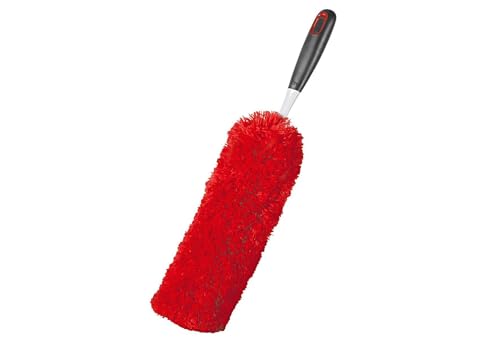
If you live in a modern apartment with high windowsills or awkward nooks, you know the struggle of trying to reach those "forgotten" spots. The OXO duster features a telescoping handle that extends significantly, allowing you to bridge the gap between your reach and the ceiling without dragging out a step stool.
The microfiber head is designed to bend and lock into place, which is perfect for cleaning the tops of ceiling fans or the backs of radiators. It is a highly practical choice for renters who don’t want to store bulky ladders or multiple cleaning implements in a small utility closet.
The primary trade-off here is the bulk of the head, which can be slightly tricky to maneuver in very tight, cluttered spaces. However, for general maintenance, its ability to cover large surface areas quickly makes it a top-tier choice for busy families.
Unger Professional Ostrich Duster: Best for Walls

Walls often get neglected in routine cleaning, leading to cobwebs that seem to appear overnight. The Unger Professional duster is built with a rugged frame that handles the vertical pressure of sweeping down walls and corners without losing its shape.
This tool is particularly effective for those with textured walls or high-traffic hallways where dust tends to cling to the paint. The ostrich feathers are dense enough to grab stubborn debris while remaining gentle enough to avoid scuffing your wall finishes.
Because it is built for professional-grade use, it is surprisingly durable for the price point. If you have high ceilings or large, open-plan living areas, this is the most efficient way to keep your vertical surfaces looking crisp.
Norwex Microfiber Dusting Mitt: Best for Surfaces

Sometimes you need the tactile control that only a hand-worn tool can provide. The Norwex mitt allows you to use your own fingers to navigate around fragile lamps, delicate picture frames, and complex electronics.
This mitt is an excellent choice for households with pets or kids, as it picks up hair and fine particles with a simple wipe. It’s also incredibly easy to store, as it folds flat into a drawer, making it the ultimate space-saver for tiny homes or dorm rooms.
The only real downside is that you have to get your hands "in" the dust, so to speak. If you prefer keeping a distance from the grime, you might find this less appealing than a long-handled duster.
E-Cloth High Performance Duster: Best for Allergy
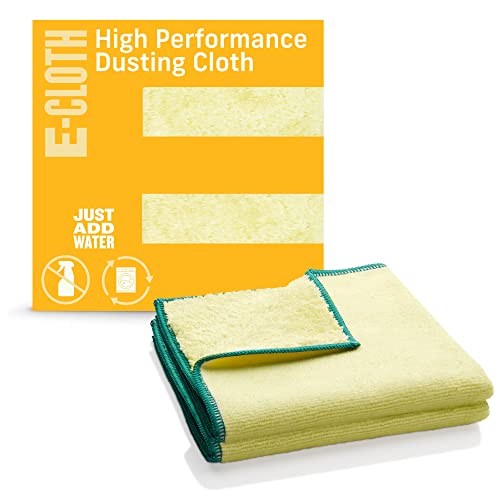
If you or a family member suffers from severe allergies, you need a duster that doesn’t just move dust, but locks it away until you wash it. The E-Cloth duster uses high-density fibers that are specifically engineered to grab microscopic allergens that other dusters might leave behind.
This tool is a great "set it and forget it" option for your weekly cleaning routine. It is lightweight, easy to maneuver, and entirely machine washable, which is a major convenience for those who prefer to sanitize their tools after every use.
While it doesn’t have the "fancy" aesthetic of a feather duster, its performance is undeniable. It is a highly practical, no-nonsense tool that prioritizes indoor air quality over traditional design.
Fuller Brush Co. Feather Duster: Best for Detail

Detail work—like dusting the intricate carvings on a bookshelf or the slats of wooden blinds—requires a tool with a slim profile. The Fuller Brush Co. duster is famous for its narrow, focused head that can slip into tight gaps where larger dusters fail.
This is a classic tool that has stood the test of time for a reason. It is lightweight and easy to carry from room to room, making it ideal for a quick "touch-up" before guests arrive.
Be aware that because it is a smaller tool, it isn’t meant for large, open surfaces. Consider this your "precision instrument" to be paired with a larger duster for a complete cleaning kit.
Hiware Long Reach Duster: Best for High Ceilings
For those living in homes with vaulted ceilings or high stairwells, the Hiware Long Reach duster is a literal lifesaver. Its pole extends to an impressive length, allowing you to clear dust from vents and light fixtures without needing a ladder.
The microfiber head is removable and washable, which is essential since you will likely be picking up a lot of debris from high, neglected areas. It’s a sturdy piece of equipment that feels secure even when fully extended, which is a common point of failure for cheaper brands.
While it is a bit cumbersome to store in a small apartment, the utility it provides for high-reach areas is unmatched. It is a necessary addition for any homeowner who wants to maintain a truly clean environment from floor to ceiling.
How to Properly Wash and Dry Your Feather Dusters
To keep your ostrich feather dusters in peak condition, avoid harsh detergents that strip the natural oils from the feathers. Instead, gently swish the head in a basin of warm water with a tiny drop of mild dish soap, then rinse thoroughly.
For microfiber heads, the rules are different: avoid fabric softeners at all costs, as they clog the fibers and render them useless. Simply toss them in the washing machine on a warm cycle and let them air dry to maintain their electrostatic properties.
Always ensure your dusters are completely dry before putting them back in a dark closet. Storing a damp duster can lead to mildew, which is the last thing you want to spread around your home during your next cleaning session.
Natural Feathers vs. Synthetic Fibers Comparison
Choosing between natural ostrich feathers and synthetic microfiber comes down to your specific cleaning philosophy. Ostrich feathers are superior at "grabbing" dust through natural oils, making them excellent for delicate surfaces and heavy, fine dust.
Synthetic microfiber, on the other hand, is generally more durable and easier to sanitize in a washing machine. Microfiber is the better choice for households that need to tackle heavy-duty jobs, pet hair, and frequent cleaning cycles.
Ultimately, most successful households keep one of each on hand. Use the feathers for your "daily" light touch-ups and the microfiber for your "weekly" deep cleaning sessions.
Essential Tips for Maintaining Your Cleaning Tools
- Shake it out: After every use, take your duster outside and give it a firm shake to dislodge the bulk of the trapped dust.
- Storage matters: Hang your dusters by their loops rather than resting them on their heads, which can cause the feathers or fibers to become misshapen over time.
- Rotation: If you have multiple dusters, rotate them so each one gets a chance to rest and dry out completely between uses.
- Don’t over-clean: You don’t need to wash your feather dusters after every single use; a thorough shake is often enough until the feathers start to look matted.
Investing in a quality duster is one of the simplest ways to make your home feel cleaner and more inviting. By matching the right tool to your specific living situation, you can cut your cleaning time in half while improving your indoor air quality. Remember, the best duster is the one you actually enjoy using, so choose the one that fits your routine and stick with it.
