

8 Best Precision Electronics Pliers for Hearing Aid Batteries
Find the 8 best precision pliers for handling hearing aid batteries. Our guide covers grip, size, and tip accuracy to ensure safe, efficient maintenance.
Changing hearing aid batteries requires a steady hand and tools that provide enough control to avoid damaging delicate components. When you are fumbling with tiny, slippery cells, having the right pair of precision pliers can turn a frustrating chore into a quick, seamless task. This guide will help you select the right tool to keep your devices running smoothly without unnecessary stress.
Lindstrom 8141 RX Needle Nose for Fine Work


If you find yourself struggling with the dexterity required to manipulate tiny battery tabs, the Lindstrom 8141 RX is a top-tier choice. These pliers are designed with a specific focus on ergonomic comfort, which is essential if you have arthritis or limited grip strength.
The standout feature here is the "RX" handle design, which reduces the pressure required to close the jaws. While they are a premium investment, the longevity of the steel means you likely won’t need to replace them for decades.
For a homeowner who values high-end craftsmanship, these are a joy to use. However, if you only need to change a battery once a week, the high price point might be overkill compared to more modest options.
Xuron 485FN Flat Nose Pliers for Precision

Flat nose pliers are often overlooked, but they offer superior surface area when you need to grip a battery tab without slipping. The Xuron 485FN is a favorite because it lacks the sharp serrations found on standard hardware store pliers, which protects your hearing aid’s delicate internal finish.
The light return spring is a game-changer for those who find standard pliers too stiff to operate comfortably. It keeps the jaws open, allowing you to position the battery with one hand while holding the device with the other.
These are particularly well-suited for small apartments where you might be working at a cramped kitchen table. They don’t take up much room in a junk drawer, and their flat profile makes them easy to store in a small organizer tray.
Hakko CHP 1-SA Precision Fine Tip Pliers
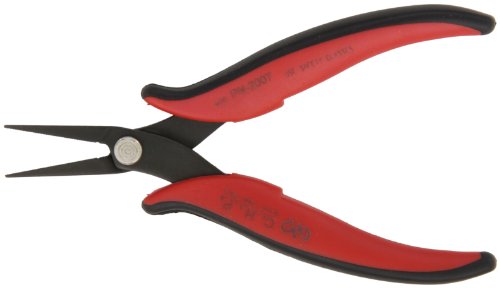
The Hakko CHP 1-SA is widely respected in the electronics hobbyist community for its reliability and accessible price point. If you are looking for a "workhorse" tool that doesn’t break the bank, this is a solid contender.
The fine tips are exceptionally narrow, allowing you to reach into tight battery compartments that larger tools simply cannot access. Because they are made from high-quality carbon steel, they maintain their shape even after repeated use.
Keep in mind that these are not rust-proof, so avoid storing them in damp bathrooms or near kitchen sinks. A quick wipe with a dry cloth after use is all you need to keep them in top condition for years.
Wiha 32701 Industrial Needle Nose Pliers

Wiha is a brand that homeowners trust for heavy-duty tasks, and their 32701 model brings that same durability to precision work. These are slightly larger than typical electronics pliers, which provides a more substantial grip for those who find tiny tools difficult to hold.
The handle is designed with a non-slip finish, which is helpful if your hands are prone to perspiration or if you are working in a dimly lit room. They are built to withstand industrial use, so they will easily handle the light demands of changing household batteries.
While they are excellent, they may feel a bit "clunky" if you have very small hearing aid compartments. They are best suited for users who prefer a tool that feels substantial and sturdy in the palm of their hand.
Plato 170 Shearcutter for Battery Tab Trimming

Sometimes the issue isn’t just the battery, but the small plastic tabs or debris that can get stuck in the compartment. The Plato 170 is technically a cutter, but its precise, flush-cutting action is perfect for cleaning out residue or trimming stray packaging material.
It is an incredibly affordable tool that earns its keep by preventing damage to the battery contacts. Because it is so lightweight, it is easy to keep in a small kit right next to your hearing aid charging station.
Don’t use these for heavy wire cutting, as that will dull the blades quickly. Keep them dedicated to small, light-duty tasks to ensure they remain sharp enough for your precision needs.
Tronex 511 Slim Needle Nose for Small Cells
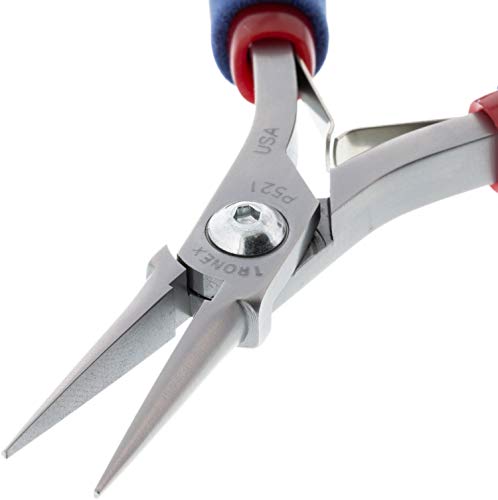
When you are working with the smallest hearing aid batteries, the Tronex 511 offers a level of refinement that is hard to beat. The jaws are exceptionally thin, allowing for a surgical level of precision when navigating tight spaces.
The construction quality is evident in how smoothly the hinge operates. There is no "wobble" in the tips, which gives you confidence that you won’t accidentally slip and scratch your device.
If you have a large household with multiple family members using different types of hearing aids, these pliers are versatile enough to handle them all. They are a professional-grade tool that brings a sense of ease to a repetitive daily task.
Erem 2482E Ergonomic Precision Pliers
The Erem 2482E is all about the user experience, specifically regarding fatigue. If you have to change batteries multiple times a day, the ergonomic design of these pliers will prevent the hand cramping that often accompanies smaller, cheaper tools.
The handles are shaped to fit naturally in the hand, and the tension is perfectly calibrated. It is the kind of tool that makes you realize how much effort you were wasting with inferior equipment.
While the price is on the higher end, the comfort factor makes it a worthwhile health investment. For someone living in a house where they manage the daily needs of an aging parent, this tool can make caregiving tasks feel much more manageable.
Excelta 719E Carbon Steel Precision Pliers
Excelta is known for their high-tolerance manufacturing, and the 719E is a testament to that standard. These pliers feature a fine point that is ideal for users who have perfect vision or magnification aids but struggle with the dexterity required for tiny cells.
The carbon steel construction ensures that the tips remain sharp and aligned over time. Unlike cheaper alternatives that might bend or misalign, these are built to retain their geometry throughout years of regular use.
These are a fantastic choice for the "buy it once" shopper. If you prefer to invest in a single, high-quality tool rather than replacing cheaper ones, the Excelta 719E is your best bet.
Essential Features for Battery Handling Tools
When shopping for these tools, prioritize jaw alignment and spring tension. You want the tips to meet perfectly without any overlap, and the spring should be soft enough that it doesn’t fight your hand.
Consider the handle length relative to your hand size; if you have large hands, a slightly longer handle will provide better leverage and control. Avoid serrated jaws if possible, as they can mar the surface of your battery or the device housing.
Finally, think about your storage situation. If you live in a small space, look for tools that come with a protective cap or that can fit into a slim, dedicated storage pouch to keep them clean and dust-free.
How to Maintain Precision Pliers for Longevity
The secret to long-lasting pliers is keeping them clean and dry. After handling batteries, wipe the jaws with a dry microfiber cloth to remove any potential electrolyte residue or dust that could cause corrosion.
Never use your precision pliers for tasks they weren’t intended for, such as bending heavy wire or prying open stubborn lids. Using them for "household" tasks outside of electronics will quickly ruin the fine tips and destroy their precision.
Store them in a dedicated spot, preferably away from high-humidity areas like bathrooms. If you want to go the extra mile, a tiny drop of machine oil on the pivot point once a year will keep the action smooth and effortless.
Finding the right precision pliers is about balancing your personal comfort with the specific needs of your hearing aid devices. Whether you choose a high-end ergonomic model or a reliable budget-friendly option, the right tool will make your daily routine much smoother. Remember that a clean, well-maintained tool is the best way to protect your equipment and simplify your life.
