

7 Best Door Stops With Handle For Arthritic Hands
Discover the 7 best door stops with handles for arthritic hands. These ergonomic picks offer easy placement and removal, ensuring comfort and accessibility.
Managing daily household tasks can become a significant challenge when joint pain or stiffness limits your range of motion. Investing in the right door stop with a handle can drastically reduce the physical strain of securing doors throughout your home. This guide highlights practical options designed to prioritize your comfort and independence.
The Door Bull Heavy Duty: Best Overall Stopper


If you have ever struggled to wedge a standard rubber stop under a heavy door while dealing with hand pain, you know how frustrating it can be. The Door Bull is designed to solve this by offering a substantial, easy-to-grab handle that eliminates the need to crawl on the floor. It acts more like a kickstand, allowing you to secure the door with a simple downward motion.
This model is particularly effective for homeowners who frequently move between rooms with laundry baskets or groceries. Because the handle is tall and ergonomic, you can engage or disengage it with your foot or a gentle touch from your hand. It balances durability with a user-friendly design that doesn’t require a tight, painful grip.
While it is a bit more expensive than basic rubber wedges, the time and physical relief it provides are well worth the investment. It is a sturdy, long-term solution that performs reliably on both carpet and hardwood. Consider this your go-to if you want a "set it and forget it" tool that minimizes daily bending.
CleverMade Floor Wedge: Best for Easy Grip
For those living in apartments or smaller homes where doors might be lighter, the CleverMade wedge offers a more portable solution. Its defining feature is a large, integrated handle that is easy to hook a finger through, which is a lifesaver if you struggle with fine motor skills. You won’t have to pinch or squeeze the material to get it into place.
The design is lightweight, making it easy to carry from the bedroom to the kitchen without adding extra burden to your day. It features a textured surface that helps it stay put, though it works best on surfaces that aren’t overly slick. Because it is made from flexible materials, it is gentle on your floors and won’t leave scuff marks.
Keep in mind that this is not intended for heavy, self-closing fire doors, but it is perfect for everyday interior doors. It is an affordable, low-maintenance choice for anyone who needs a quick, lightweight solution. If you prioritize ease of movement over industrial-strength weight, this is a fantastic pick.
Slip-Stop Rubber Door Stop: Best Non-Slip Pick
Secure doors with this heavy-duty, non-slip rubber door stop, featuring a unique honeycomb grip for superior stability on carpets and tiles. Made in the USA, its durable, odorless design ensures reliable performance for homes and commercial spaces.

There is nothing more irritating than a door stop that slides across the floor the moment a breeze hits the door. The Slip-Stop utilizes a specialized rubber compound that grips the floor surface exceptionally well, even on polished tiles or laminate. Its handle is shaped like a loop, allowing you to hang it on a doorknob when it is not in use.
This feature is incredibly helpful for those who want to keep their floor clear of trip hazards. By hanging the stop on the door handle, you ensure it is always within reach exactly when you need it. The rubber is firm enough to hold its shape but soft enough to be gripped comfortably without causing hand fatigue.
This is a great budget-friendly option for renters who don’t want to install permanent hardware. It’s simple, effective, and requires zero tools to set up. Just remember to wipe the bottom of the stop with a damp cloth occasionally to keep the grip strength at its peak.
Hearth & Harbor Weighted: Best for Heavy Doors
If you have heavy solid-wood doors or doors with high-tension hinges, a standard wedge often fails. The Hearth & Harbor weighted stop uses mass rather than friction to keep the door in place, which is much easier on the hands. You simply place it in front of or behind the door, and its weight does all the heavy lifting.
The handle is usually a sturdy rope or fabric loop, which is much easier to grab than a hard plastic wedge. Because you don’t have to force it under the door, you avoid the repetitive strain that often triggers arthritis pain. It is also an excellent option for people who have trouble bending down, as you can often nudge it into place with your foot.
These weighted stops are also quite stylish and blend into home decor much better than industrial rubber wedges. They are heavy, however, so ensure the handle is comfortable for your specific grip needs before purchasing. They are a reliable, low-effort choice for securing heavy doors without any physical struggle.
Gorilla Grip Oversized: Best for Wide Gaps
Many homes have older doors with significant gaps between the floor and the bottom of the door. A standard, small door stop will often slide right through or fail to make contact. The Gorilla Grip is specifically designed with an oversized profile to bridge those larger gaps, ensuring a secure hold every time.
The handle is wide and easy to grasp, providing plenty of surface area for those with limited dexterity. Because the stop itself is larger, it provides more stability, meaning you don’t have to jam it in with force. It is made of a durable, heavy-duty material that won’t compress or lose its shape over time.
While it is larger than other options, the trade-off is superior performance on tricky thresholds. It is an ideal choice for older homes where doors aren’t perfectly uniform. Just be aware that its size makes it slightly more visible, so choose a color that matches your flooring if aesthetics are a concern.
HomeHunch Decorative: Best for Stylish Homes
Functionality doesn’t have to mean sacrificing the look of your living space. The HomeHunch decorative line proves that you can have a sturdy, easy-to-use door stop that actually complements your home decor. These often come in cast iron or weighted fabric designs with handles that are both beautiful and functional.
For those who find standard plastic wedges unsightly, these offer a more permanent-looking solution that sits neatly against the baseboard. The handles are typically integrated into the design, providing a secure point for moving the stop without having to pinch your fingers. They are heavy enough to hold most doors steady without needing to be wedged tightly.
While these are often more expensive than basic rubber models, they provide a sense of home satisfaction that utilitarian tools lack. They are perfect for common areas like the living room or entryway where you want things to look tidy. If you want a solution that stays out of sight while looking intentional, this is the way to go.
Wright Products Push-Pull: Best Lever Design
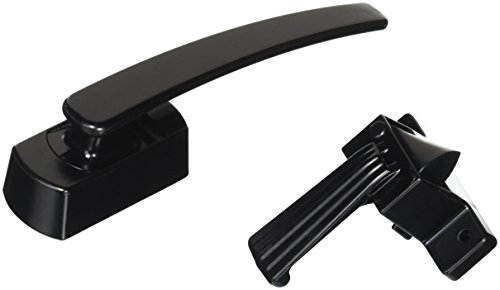
Sometimes, the best solution is to move away from floor wedges entirely. The Wright Products push-pull system is a mechanical device that attaches to the door, allowing you to engage a stop with a simple lever action. This is a game-changer for anyone who finds bending down to be painful or dangerous.
The lever is designed to be operated with the palm or the back of the hand, requiring very little force to activate. This makes it a superior option for those with severe arthritis who struggle with the pinching motion required for wedges. It is a permanent installation, but it provides unmatched convenience for daily use.
You will need a screwdriver to install it, but the long-term ease of use is worth the initial effort. It keeps your floors clear and your hands protected from the strain of reaching and wedging. It is the gold standard for accessibility in the home.
Key Features for Arthritic-Friendly Design
When shopping for an arthritic-friendly door stop, look for handles that allow for a "power grip" rather than a "pinch grip." You want a handle that is large enough to loop your fingers through or wide enough to push with the palm of your hand. Materials should be slip-resistant, such as textured rubber or soft-touch silicone, to ensure you don’t have to squeeze tightly to maintain control.
Weight and height are also critical factors to consider. A stop that is too light will require you to push it harder into place, which increases the risk of joint pain. Conversely, a stop that is too tall might be difficult to position correctly without significant effort.
- Look for loop-style handles that allow for easy carrying and hanging.
- Prioritize non-slip bases to reduce the need for constant adjustment.
- Choose materials that are easy to clean to maintain grip over time.
- Consider the weight of the door when selecting between a wedge or a weighted stop.
How to Position Stops for Maximum Leverage
The secret to using a door stop effectively is all about placement and the angle of the door. For wedges, you should always place the stop on the side of the door that swings toward the stop, as close to the hinge as possible. This creates the most leverage, meaning you need less force to keep the door from closing.
If you are using a weighted stop, place it directly in the path of the door’s swing, ideally at the corner furthest from the hinges. This maximizes the resistance against the door’s momentum. Always ensure the floor is dry and free of debris, as even the best rubber stop will lose its grip on a dusty surface.
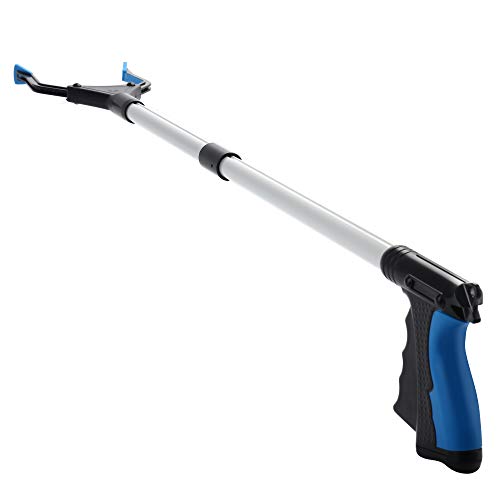
If you struggle to bend, use a long-handled shoehorn or a reacher-grabber tool to nudge the stop into position. This simple trick allows you to secure your home without putting unnecessary stress on your back or knees. Remember, the goal is to use the weight of the door to your advantage, not to fight against it.
Maintenance Tips for Long-Lasting Grip
Even the highest-quality door stops will eventually lose their grip if they collect dust and floor grime. Once a month, take a damp cloth with a little bit of mild soap and wipe down the bottom surface of the stop. This refreshes the rubber and restores its natural "tackiness," ensuring it stays in place without you having to jam it in harder.
If you have a fabric-covered weighted stop, check the handle stitching periodically to ensure it hasn’t started to fray. A weak handle can break unexpectedly, which is a safety risk if you are relying on it to hold a heavy door. For mechanical levers, a quick spray of silicone lubricant once a year will keep the mechanism moving smoothly and prevent it from sticking.
- Clean rubber bases regularly to maintain friction.
- Inspect handles for wear to prevent sudden breakage.
- Use mild cleaners only to avoid damaging the grip material.
- Keep a spare in a convenient drawer so you aren’t searching for one when you need it most.
Finding the right door stop is about balancing your specific physical needs with the reality of your home’s layout and door weight. By choosing a product that minimizes strain and maximizes ease of use, you can maintain your independence and comfort every day. Start with one of these reliable options, and take the small, practical step toward a more accessible home.
