

7 Best Easy-Removal Anchors for Temporary Installations
Discover the top 7 easy-removal anchors for temporary setups. Our guide highlights reliable, damage-free solutions perfect for flexible, short-term mounting.
We have all stared at a blank wall in a rental apartment or a new home, paralyzed by the fear of leaving behind unsightly holes. Choosing the right anchor is the difference between a secure, beautiful display and a frustrating repair job down the road. This guide helps you navigate the best temporary solutions to keep your decor secure without compromising your security deposit.
3M Command Large Picture Hanging Strips
Easily hang large frames up to 24x36 inches and 16 lbs with Command Large Picture Hanging Strips. These versatile strips adhere securely to various smooth surfaces without damaging walls, offering a damage-free decorating solution.


If you are living in a rental where the lease strictly prohibits holes in the walls, these strips are your best friend. They use a specialized adhesive that holds firm but releases cleanly when you stretch the tab, leaving the paint underneath completely intact.
They are perfect for lightweight frames, canvas art, and small mirrors that don’t require heavy-duty mechanical support. Because they sit flush against the wall, they provide a clean, professional look that traditional hardware often lacks.
Keep in mind that these strips rely heavily on surface preparation. If your walls are textured or covered in a high-gloss finish, the adhesive may struggle to maintain a long-term bond. Always clean the area with rubbing alcohol first to ensure a successful installation.
Toggler Snaptoggle Toggle Bolts for Drywall
Securely mount heavy items with SNAPTOGGLE toggle anchors, supporting up to 265 lbs in drywall and 802 lbs in concrete block. Their versatile grip range and easy one-person installation make them ideal for cabinets, TVs, and fixtures.

When you need to hang something substantial, like a heavy floating shelf or a large decorative mirror, standard plastic anchors simply won’t cut it. The Snaptoggle is a professional-grade solution that uses a metal channel to distribute weight across a wider area behind the drywall.
These are incredibly reliable and can support significant weight, making them a favorite for homeowners who want a "set it and forget it" installation. While they do require a larger hole than a standard screw, the peace of mind regarding stability is well worth the minor patch job later.
For renters, these are a bit more permanent, but they are far less damaging than tearing a large hole in your wall due to a failed anchor. Use these when you know the item will stay in place for several years rather than months.
OOK Professional Grade Monkey Hooks
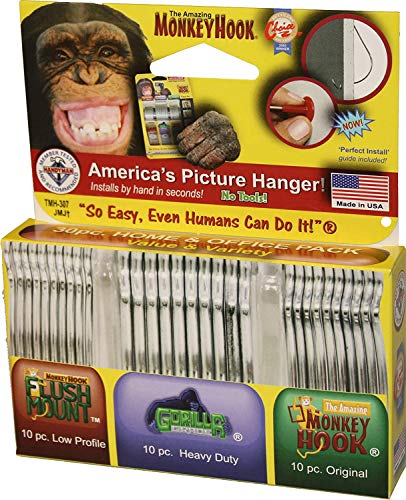
Monkey Hooks are a revelation for anyone who hates using drills or hammers on drywall. You simply push the pointed end into the wall and twist it until it locks into place, creating a small, pin-sized hole that is virtually invisible once removed.
These are ideal for hanging medium-weight pictures, clocks, or lightweight wall decor in a matter of seconds. They are specifically designed for drywall, so they won’t work on brick, concrete, or wood studs, which is a common misconception for new users.
Because they require no tools, they are the ultimate choice for someone who is not handy or lacks a full toolkit. The bottom line is that these offer the best balance of speed and minimal wall damage currently on the market.
Hillman Group Plastic Self-Drilling Anchors

If you find yourself frequently switching out decor or need a quick way to mount basic hardware, these self-drilling anchors are a staple in most household utility drawers. They feature a threaded design that bites into the drywall, allowing you to screw them in with nothing more than a standard screwdriver.
They are very affordable and come in bulk packs, making them an economical choice for large projects like gallery walls. However, they are best suited for light-to-medium loads; trying to hang heavy items will eventually cause them to wiggle loose and enlarge the hole.
Be careful not to overtighten them during installation, as the plastic threads can strip easily if forced. They are a great middle-ground option for homeowners who need a reliable, low-cost solution for everyday items.
Hercules Hook Heavy Duty Wall Hangers

Similar to the Monkey Hook, the Hercules Hook uses a clever design to leverage the strength of the drywall itself. It creates a much larger load-bearing capacity than a standard nail, allowing you to hang mirrors or heavy frames with confidence.
The installation process is straightforward: insert the hook, rotate it down, and you are ready to hang. It is a fantastic choice for people who want the strength of a toggle bolt but the ease of a simple nail.
These hooks are best for items that have a wire on the back, as the hook shape is specifically engineered to catch and center the weight. They are a robust, reusable, and highly effective tool for any household.
WallClaw Screwless Drywall Anchors

The WallClaw is a unique hybrid that combines the ease of a hook with the stability of an anchor. It uses a "claw" mechanism that grips the drywall from the inside, providing a surprisingly secure hold without needing a drill or a screwdriver.
These are excellent for renters who want to hang heavier items than adhesive strips can handle but don’t want to deal with large toggle bolts. They leave a very small footprint and are easy to remove with a simple tug.
Because they are so easy to install, they are perfect for families with kids who might want to change their room decor frequently. Just ensure you aren’t exceeding the weight limit, as the claw can only grip so much material before it loses its bite.
E-Z Ancor Twist-N-Lock Drywall Anchors
These are the industry standard for a reason; they are widely available and incredibly easy to use. The "Twist-N-Lock" feature allows you to screw the anchor directly into the wall, and you will hear a satisfying "click" when it is perfectly flush.
They are reliable for medium-weight items like curtain rods, towel bars, or heavier decorative plaques. Because they are threaded, they offer more resistance to being pulled straight out of the wall compared to smooth-sided anchors.
While they do leave a slightly larger hole than a Monkey Hook, they are much easier to patch with a small dab of spackle. They are a dependable, no-nonsense choice for almost any room in the house.
How to Select Anchors for Your Wall Material
Choosing the right anchor starts with identifying what is behind your wall surface. Most modern homes use drywall, which is soft and requires anchors that spread out or grip the back of the panel to prevent pulling.
If you are dealing with plaster walls in an older home, avoid self-drilling plastic anchors, as they will likely crack the brittle surface. Instead, opt for toggle bolts or specialized plaster anchors that don’t rely on biting into the material.
Always consider the weight of the item you are hanging and the frequency with which it will be moved. If you are hanging a heavy mirror, prioritize strength over ease of removal; if you are hanging a small photo, prioritize minimal damage.
Tips for Removing Anchors Without Wall Damage
The secret to removing anchors without leaving a crater in your wall is to go slowly. For threaded anchors, always use a manual screwdriver to back them out rather than a power drill, which can strip the drywall and make the hole larger.
If an anchor is stubborn, use a putty knife to gently pry the edge away from the wall before pulling. If you do end up with a small hole, a tiny amount of spackle and a quick touch-up of paint will make it look like nothing was ever there.
For adhesive strips, never pull them toward you; always pull the tab straight down against the wall. This releases the tension in the adhesive and prevents it from tearing away the paint or drywall paper.
Safety Precautions for Heavy Item Mounting
When mounting anything heavy, the biggest risk is the item pulling the drywall apart, not the anchor failing. Always check the weight rating of the anchor and compare it to the weight of your item, including the frame and glass.
If you are hanging something heavy, try to locate a wall stud using a magnetic stud finder. If you can drive a screw directly into a stud, you won’t need an anchor at all, and your installation will be significantly more secure.
Finally, always consider the location of your electrical and plumbing lines before inserting anything into a wall. If you are drilling into a wall that shares a side with a bathroom or kitchen, proceed with extreme caution to avoid costly repairs.
Finding the right anchor is all about balancing the weight of your decor with the limitations of your wall material. By choosing the right tool for the job, you can decorate your home with confidence and keep your walls in pristine condition. Remember that a little extra time spent on the front end will save you hours of patching and painting later.

