7 Best Lightweight First Aid Backpacks for Hiking
Stay safe on the trails with our guide to the 7 best lightweight first aid backpacks. Discover compact, durable options essential for every hiker’s safety.
Whether you are planning a weekend family trek or a solo morning hike, having your medical supplies organized and accessible is a non-negotiable safety measure. A dedicated lightweight backpack ensures that you aren’t just tossing loose bandages into a bag, but carrying a cohesive system ready for emergencies. This guide helps you balance weight, durability, and organization to find the perfect carrier for your outdoor lifestyle.
Adventure Medical Kits Mountain Series Day Tripper


If you live in a household that values "grab-and-go" efficiency, this kit is the gold standard for small-group safety. It is less of a traditional backpack and more of a specialized medical vessel, making it ideal for those who already have a preferred hiking pack but need a dedicated, organized trauma system.
The beauty of this kit lies in its internal organization, which uses clearly labeled pockets to prevent panic during a crisis. Because it is designed specifically for medical gear, you won’t have to dig through snacks or extra layers to find a sterile pad.
For homeowners with limited storage, this kit is compact enough to slide into a hall closet or hang on a garage peg. It is an investment in peace of mind that prioritizes function over fashion.
Osprey Daylite Plus: Best for Comfort and Fit

When you have a family of hikers, comfort becomes the primary factor in whether or not everyone actually enjoys the trail. The Osprey Daylite Plus is a fantastic multi-purpose pack that excels because of its ergonomic harness system, which distributes weight evenly across your shoulders.
This pack is excellent for those who want a "do-it-all" bag that transitions from a grocery run to a summit attempt. Its external pocket is perfect for stuffing a first aid kit, allowing you to keep your medical gear separate from your water and snacks.
While it is a bit more expensive than basic generic bags, the ventilation and durability justify the cost for active households. It’s a reliable workhorse that will last for years, regardless of how often you hit the trails.
Deuter Speed Lite 20: Lightweight Performance

For the minimalist hiker or the apartment dweller who needs gear that takes up zero footprint, the Deuter Speed Lite 20 is a masterclass in efficiency. It is incredibly light, meaning you won’t feel weighed down by unnecessary fabric or heavy zippers.
The streamlined design is perfect for quick, high-intensity hikes where every ounce counts. Because the pack is so light, you can afford to pack a slightly more comprehensive first aid kit without exceeding your target carry weight.
The tradeoff here is the lack of excessive internal pockets, so you will need to use your own small pouches to keep items organized. It is a fantastic choice for those who prefer a clean, simple setup.
REI Co-op Flash 22: Versatile Pack for Hiking
The REI Flash 22 is a favorite for families because it strikes a perfect balance between price and feature set. It’s rugged enough to handle rough trails but light enough that it doesn’t feel like a chore to carry on shorter walks.
This pack is particularly good for those who like to customize their gear. With various attachment points, you can secure your first aid kit to the outside or keep it tucked inside the main compartment for quick access.
Because it is a mid-range option, it offers excellent value for the money. It fits a wide range of body types, making it a great "family pack" that can be shared between parents and older children.
Black Diamond Trail Zip 14: Minimalist Design

If you are the type of person who keeps their home decluttered and organized, the Black Diamond Trail Zip 14 will appeal to your sense of order. This is a small, sleek pack that keeps your gear tight to your back, preventing the "swinging" sensation of larger bags.
Its small capacity forces you to be intentional about what you pack, which is a great exercise in weight management. It is ideal for short excursions where you only need the absolute essentials, like water, a light jacket, and a compact medical kit.
While it lacks the room for large, bulky items, its simplicity is its greatest strength. It is a perfect grab-and-go option for a quick afternoon hike in a local park.
Gregory Nano 18: Best for Quick Day Excursions
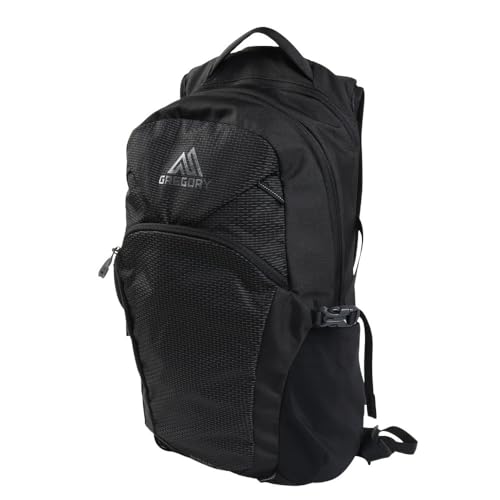
The Gregory Nano 18 is designed for the casual hiker who wants a reliable bag without the high-tech bells and whistles that drive up the price. It features a very comfortable back panel, which is a rare find in this price bracket.
This pack is ideal for those who live in urban areas and frequently head out for day trips. It has just enough space to hold a standard first aid kit alongside your lunch and a rain shell.
It is a straightforward, no-nonsense bag that performs well under pressure. For the average household, it hits the "sweet spot" of being affordable, durable, and perfectly sized.
CamelBak Rim Runner 22: Hydration Integration
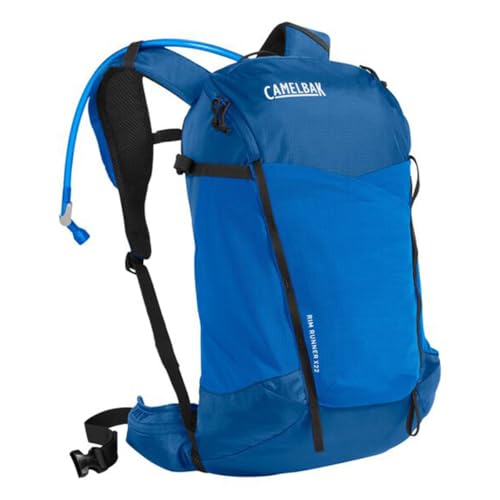
Hydration is just as important as medical safety on the trail, and the CamelBak Rim Runner 22 handles both with ease. If your household routine involves long, hot days in the sun, this pack’s integrated hydration system is a game-changer.
The space allocated for the water reservoir is separate from the main compartment, which leaves plenty of room for your first aid kit. You won’t have to worry about a leaky water bottle ruining your bandages or medical supplies.
This is a slightly heavier pack, but the convenience of having a dedicated hydration bladder makes it worth the weight. It is a smart choice for those who prioritize health and safety in equal measure.
Essential Gear to Pack in Your First Aid Kit
Regardless of which backpack you choose, your medical kit should be consistent across all your outings. You should always include adhesive bandages of various sizes, sterile gauze pads, and medical tape for minor scrapes.
Don’t forget to include antiseptic wipes and antibiotic ointment to prevent infection, which is the most common issue on the trail. For more serious situations, a pair of tweezers and small scissors are absolutely essential for removing debris or cutting clothing.
- For families: Add a small supply of kid-friendly pain relievers and extra butterfly closures.
- For long hikes: Include blister treatment pads and a small emergency thermal blanket.
- For everyone: Always carry a basic instruction card on how to handle common trail injuries.
How to Properly Organize Your Medical Supplies
Organization is the difference between a minor incident and a major headache. Use clear, waterproof pouches to group similar items together, such as "Wound Care," "Medications," and "Tools."
Labeling is your best friend when you are tired or stressed. Use a permanent marker to label each pouch so that anyone in your group can find what they need without having to ask you for help.
Place the most frequently used items, like bandages and wipes, at the very top of your backpack. Reserve the bottom of the kit for items you hope you never have to use, such as trauma shears or emergency wraps.
Tips for Maintaining Your Backpack’s Integrity
To keep your backpack in top shape, always empty it after a hike to check for moisture or hidden debris. A damp, dark backpack is a breeding ground for mold, especially if you store it in a humid basement or garage.
Check the zippers regularly and use a small amount of silicone lubricant if they start to stick. If you notice any fraying on the shoulder straps, address it immediately with a quick stitch before it becomes a structural failure on the trail.
Finally, rotate your medical supplies every six months to check for expired medications or dried-out wipes. A well-maintained pack is a reliable partner that will keep you safe for many years to come.
Choosing the right backpack is about finding the balance between your specific hiking habits and your need for reliable safety. Whether you opt for a minimalist design or a feature-rich hydration pack, the most important step is simply having your gear ready and organized before you leave the house. Invest in quality where it counts, maintain your kit regularly, and you will be well-prepared for any adventure that comes your way.