7 Best Hanging Hat Organizers and Storage for Closets
Maximize closet space with these 7 top-rated hanging hat organizers. Discover durable, space-saving solutions to keep your collection neat and accessible.
Tired of finding your favorite baseball caps crushed at the bottom of a laundry basket or hidden under a pile of winter coats? Finding the right storage solution is the secret to keeping your headwear in pristine condition while reclaiming your closet floor. This guide covers the most reliable organizers to help you streamline your morning routine and protect your investment.
1. YouCopia Hat Organizer: Best for Shelf Displays


If you have a collection of structured caps that you want to show off rather than hide, a shelf-based organizer is your best friend. The YouCopia system uses individual slots that allow you to see exactly what you have at a glance.
This design is perfect for homeowners who have existing shelving space but struggle with hats toppling over like dominoes. Because it sits directly on your shelf, there is no assembly required, making it an ideal choice for renters who aren’t allowed to drill into walls.
However, keep in mind that this requires a shelf deep enough to accommodate the footprint. If your closet shelves are already packed to the brim, you might find this takes up valuable real estate that could be used for folded sweaters or bins.
2. Evelots Hanging Rack: Top Choice for Closet Rods

For those living in apartments with limited closet space, utilizing the vertical area beneath your hanging clothes is a game-changer. The Evelots rack clips directly onto your existing closet rod, turning dead air into a functional storage hub.
This is a fantastic option if you want your hats to be accessible but out of the way. It’s lightweight and easy to move, which is helpful if you rearrange your closet seasonally or move frequently.
Just be aware that because it hangs from the rod, your hats will consume some of the length usually reserved for shirts or jackets. It’s a trade-off between floor space and hanging capacity, so measure your rod length before you commit.
3. Comfify Wall-Mounted Hooks: Best for Entryways
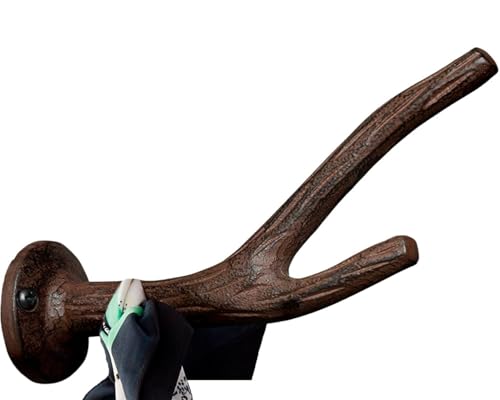
Sometimes the best place for a hat isn’t in the bedroom closet at all, but right by the front door. Comfify hooks allow you to turn an empty wall into a functional "grab-and-go" station for your daily wear.
This is a practical solution for busy households where hats are often dropped on the kitchen counter or the entryway floor. By creating a dedicated spot for your most-used items, you save yourself the stress of hunting for accessories when you’re already running late.
While these look great, they do require hardware installation, which might be a dealbreaker for some renters. If you are handy, these are durable and provide a clean, intentional look that keeps your entryway clutter-free.
4. Simple Houseware 10-Shelf: Best for Bulk Storage

If you have a massive collection of caps or beanies, individual racks simply won’t cut it. A multi-shelf hanging organizer provides a vertical tower of storage that can hold dozens of items without taking up a single inch of floor space.
These units are typically made of durable fabric that hooks over the closet rod with Velcro. They are surprisingly affordable, making them the most cost-effective way to manage a large volume of headwear on a budget.
The main trade-off is accessibility; the items on the bottom shelf are harder to reach than those at the top. This is best for storing your "out of season" hats at the bottom and your daily favorites at eye level.
5. Hat Stack Pro: Best for Vertical Space Saving

The Hat Stack Pro is a unique, minimalist solution that uses a vertical tension or stacking mechanism to keep hats upright. It is designed for the person who wants to maximize every inch of their shelf height.
Because it stacks hats one on top of the other, it creates a very slim profile. This is perfect for narrow closets where you don’t have the width to spread your collection out horizontally.
The downside is that accessing a hat at the bottom of the stack requires lifting the ones above it. It is best reserved for hats you wear occasionally rather than your primary daily drivers.
6. Ziz Home Hanging Organizer: Best Dust Protection
If you own high-quality hats or wool fedoras, dust and humidity are your biggest enemies. The Ziz Home organizer features enclosed pockets or a cover, ensuring your hats stay clean and protected from the elements while hanging in your closet.
This is a superior choice for long-term storage or for those living in older homes where closets can get a bit dusty. It keeps your items contained and prevents the "fuzzy" buildup that happens when hats sit exposed for months.
Because it is an enclosed system, it is slightly bulkier than open-air racks. Make sure your closet has enough depth to accommodate the unit without it pressing against your clothes and causing them to wrinkle.
7. MISSLO Over-the-Door: Best for Cap Collections
Over-the-door organizers are the unsung heroes of small-space living. The MISSLO system uses the back of your bedroom or closet door to store hats in individual pockets, effectively turning a useless surface into a high-capacity storage wall.
This is an excellent choice for baseball cap enthusiasts who want to keep the shape of the brim intact. It’s also very easy to install, usually requiring nothing more than a few over-the-door hooks that come included in the package.
One thing to watch for is the thickness of your door frame. If your door fits very tightly against the frame when closed, the hooks might cause it to stick or scrape; always check your clearance first.
8. Factors to Consider When Choosing Hat Storage
- Available Space: Measure your closet rod length, shelf depth, and door clearance before buying anything.
- Hat Type: Structured caps need deep pockets or hooks, while floppy beanies can be folded into bins or soft-sided shelves.
- Frequency of Use: Keep your daily hats at eye level and your seasonal or special-occasion pieces on high shelves or in dust-proof bags.
- Material Quality: Look for breathable fabrics like canvas or mesh to prevent moisture buildup, especially if you live in a humid climate.
9. Tips for Maintaining Your Hat Shape Over Time
The most common mistake people make is stacking hats on top of each other, which inevitably ruins the structure of the bottom items. Always aim for a system where hats can rest in their natural, curved shape rather than being crushed.
If you are storing hats for a long period, consider using a hat form or even stuffing the crown with acid-free tissue paper. This prevents the crown from collapsing and keeps the fabric taut, which is vital for maintaining the silhouette of baseball caps and fedoras.

Finally, keep your storage area dry and away from direct sunlight. UV rays can fade the fabric of your hats over time, turning deep blacks into dull grays, so avoid placing open organizers directly under a bright window.
10. Frequently Asked Questions About Hat Organizers
Can I use these organizers for hats other than baseball caps? Yes, but look for open-hook designs or wider shelves. Fedoras and wide-brimmed hats require more clearance than standard caps, so avoid pocket-style organizers for these.
Are hanging organizers safe for delicate materials? Generally, yes, provided they are made of soft fabric. Avoid plastic or metal organizers that have sharp edges if you are storing delicate wool or felt hats, as these can cause snags or permanent indentations.
How do I clean my hat organizer? Most fabric-based hanging organizers can be wiped down with a damp cloth. Avoid submerging them in water, as this can weaken the internal cardboard or plastic stiffeners that keep the shelves upright.
Choosing the right hat organizer comes down to balancing your available space with the size of your collection. Whether you opt for a simple over-the-door rack or a comprehensive hanging shelf system, the goal is to keep your hats accessible and protected. Start with your most frequently worn items and build your storage solution from there to create a closet that works for you.