

7 Best Cable Ties Rated For Extreme Cold Climates
Discover the top 7 cable ties engineered for extreme cold. Learn which materials and designs ensure durability and prevent snapping in freezing temperatures.
We have all experienced the frustration of stepping outside in the dead of winter, only to find a decorative light display or a garden hose mount snapped clean off because a zip tie turned brittle and shattered. Choosing the right fastener for freezing temperatures is the difference between a quick, one-time repair and a recurring seasonal chore. This guide will help you select professional-grade cable ties that withstand the elements without breaking your budget.
Thomas & Betts Ty-Rap: Best Overall for Cold
If you are securing holiday lights on a permanent fixture or organizing cables in an unheated garage, you need a tie that won’t snap under stress. The Thomas & Betts Ty-Rap is widely considered the gold standard because of its unique stainless steel locking barb. Unlike plastic-on-plastic teeth that can become brittle, this metal mechanism bites into the strap for a secure, permanent hold.
These are an excellent investment for homeowners who prefer to "do it once and do it right." While they carry a higher price tag than generic hardware store brands, you save money in the long run by not having to replace them every time a frost hits. They are particularly effective for larger households managing complex outdoor setups where reliability is non-negotiable.
Panduit Pan-Ty: Superior Low-Temp Performance


Panduit has built a reputation among professionals for materials that maintain their flexibility even when the thermometer drops well below freezing. Their Pan-Ty line uses a specific nylon formulation that resists the crystallization process that typically makes plastic rigid and prone to snapping. This makes them a top-tier choice for regions with harsh, multi-month winters.
For the average homeowner, these are perfect for securing cables along fence lines or exterior siding. Because they are slightly more expensive, I recommend using them specifically for high-stress areas where the tie will be under constant tension. They offer the best balance of ease-of-use and extreme-cold durability.
Gardner Bender Weather-Resistant Nylon Ties

If you are a renter or a homeowner on a budget, you don’t always need industrial-grade materials for every small project. Gardner Bender offers a reliable "weather-resistant" option that is widely available and very affordable. These are essentially the workhorses of the household, designed to handle UV exposure and basic temperature fluctuations without failing immediately.
While they may not be rated for Arctic-level conditions, they are perfectly sufficient for mild to moderate winter climates. They are great for quick, temporary fixes around the yard or for organizing cords in a shed. Keep a pack in your junk drawer for everyday utility, but consider upgrading for critical, load-bearing applications.
HellermannTyton Heat-Stabilized Cable Ties

It might seem counterintuitive to suggest heat-stabilized ties for cold weather, but these are actually some of the most durable fasteners on the market. HellermannTyton engineers their ties to be incredibly resilient against wide temperature swings, which is often more damaging than just extreme cold alone. This makes them ideal for equipment that cycles between being warm in the sun and freezing at night.
These are a fantastic choice for anyone managing complex outdoor gear, such as irrigation systems or exterior security cameras. They offer a professional-grade grip that won’t loosen as the material expands and contracts. If you live in a climate with volatile, unpredictable weather, this is the brand to reach for.
Klein Tools All-Weather Nylon Zip Ties

Klein Tools is a brand that understands the realities of a job site, which translates perfectly to the home workshop. Their all-weather ties are designed specifically to remain pliable enough to cinch tightly even when your fingers are numb from the cold. They are easy to tension, which is a major benefit when you are wearing gloves.
These are a great "middle-of-the-road" option that provides professional quality without the extreme cost of specialized industrial supplies. They are versatile enough for both indoor utility work and outdoor seasonal needs. For the homeowner who values a balance of performance and accessibility, these are a reliable go-to.
3M Scotchflex Heavy-Duty Cold-Climate Ties
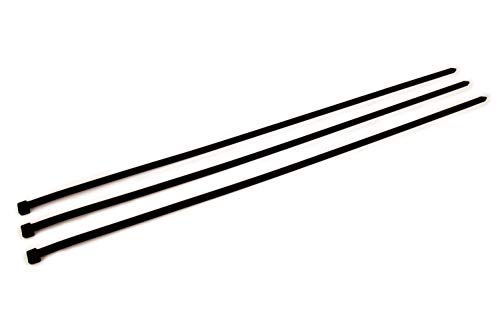
When you have a heavy load to secure, such as a thick extension cord or a bundle of landscape lighting, 3M Scotchflex is a name you can trust. These ties are engineered for high tensile strength, meaning they won’t stretch or snap under the weight of frozen, heavy cables. Their design focuses on structural integrity, ensuring the head of the tie stays locked even under significant pressure.
These are best reserved for heavy-duty tasks rather than light-duty organizing. If you are securing something that could cause a safety hazard if it fell, use these for peace of mind. They are a bit bulkier than standard ties, but they offer the security that heavy-duty outdoor projects require.
Nelco Products Impact-Resistant Nylon Ties
Sometimes the biggest threat to a cable tie isn’t the cold itself, but the impact of wind or debris hitting a frozen line. Nelco Products creates ties that are specifically formulated to resist impact, preventing the "shatter" effect that happens when a brittle tie is struck. This is a smart choice for exposed areas where your cables might be subject to high winds.
These are a niche but highly effective solution for homeowners living in wind-swept areas or near the coast. They are slightly harder to find than mass-market brands, but they are worth the effort for high-exposure locations. Use these for your most vulnerable outdoor runs to ensure they survive the winter intact.
Key Factors for Cold-Weather Cable Tie Success
- Material Composition: Look for "impact-modified" or "heat-stabilized" nylon, as these formulations handle temperature shifts better than standard nylon.
- Locking Mechanism: Metal barbs are generally more reliable in extreme cold than plastic ratchets, which can become brittle and snap.
- Application Tension: Never pull a tie to its absolute maximum capacity in the cold; leave a tiny bit of "wiggle room" to account for material contraction.
- Storage: Keep your spare ties in a climate-controlled area of the house, like a basement or closet, rather than a freezing garage, to preserve their shelf life.
Why Standard Nylon Ties Fail in Freezing Temps
Standard nylon 6/6 is hygroscopic, meaning it absorbs moisture from the air. When that moisture freezes inside the plastic, it causes the material to lose its natural flexibility and become rigid. Once the plastic is rigid, the vibration of wind or the weight of snow creates enough stress to cause the tie to snap like glass.
This is why generic ties seem to work fine in the summer but fail the moment the first frost hits. By switching to cold-rated materials, you are essentially preventing that internal crystallization. It is a small change in product choice that saves you from having to redo your work in the freezing rain.
Installation Tips for Winter Cable Management
Always try to install your ties during the warmest part of the day, as the material will be slightly more pliable. If you must work in the cold, keep the ties in your pocket to use your body heat to keep them flexible before you pull them tight. Avoid overtightening; a snug fit is better than a crushed one, as it allows the cable and the tie to move slightly without putting excess pressure on the locking mechanism.
Investing in the right cable ties is one of those small, proactive home maintenance steps that saves you immense frustration when the weather turns. By choosing a product that matches your local climate and your specific project needs, you ensure your home stays organized and safe all winter long. Don’t settle for the cheapest option when a few extra cents can prevent a major headache.

