
7 Best Highlighter Sets For Genealogy Research
Organize your family history with precision. We review the 7 best highlighter sets for genealogy research, focusing on color-coding, bleed-proof ink, and ease.
Organizing decades of family history can quickly turn into a chaotic mountain of paperwork if you don’t have a reliable system in place. Choosing the right highlighter is about more than just color; it’s about protecting your documents while making sense of complex lineage data. These seven selections are designed to keep your research clean, organized, and easy to navigate for years to come.
Zebra Mildliner: Best for Soft, Layered Highlighting
Highlight and underline with precision using these dual-tip Mildliners, featuring broad and fine points. Their no-bleed, translucent ink is perfect for journaling and delicate pages, while the water-resistant pigment allows for creative layering.
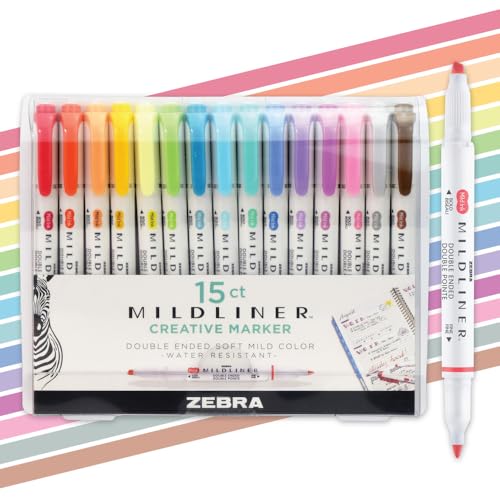

When you are working in a shared home office or a small apartment nook, harsh fluorescent colors can be visually overwhelming. Zebra Mildliners offer a softer palette that doesn’t scream off the page, making them perfect for long sessions of reading through census records.
Because they feature a dual-tip design—a chisel end and a fine bullet tip—you can switch between broad highlighting and precise underlining. This versatility is a lifesaver when you need to mark a name in a cramped margin without obscuring the surrounding text.
The trade-off here is that these are water-based and not as permanent as some professional-grade markers. However, for everyday family tree charts and printed notes, they provide the best balance of aesthetic appeal and functional clarity.
Pilot FriXion Light: Best for Erasable Annotations
Genealogy research is an evolving process where you might discover that a "fact" was actually a misinterpretation of a handwritten record. Pilot FriXion highlighters use thermo-sensitive ink that disappears completely with friction, allowing you to "undo" a highlight if your research leads you to a different ancestor.
This is an essential tool for those who keep their research in binders or temporary folders. If you realize you’ve highlighted the wrong person in a dense document, you won’t have to reprint the entire page.
Keep in mind that this ink is sensitive to heat, so these aren’t the best choice for documents you plan to store in a hot attic or a non-climate-controlled garage. For a desk-bound researcher, though, the ability to correct mistakes is well worth the slight extra cost.
Stabilo Boss Original: Best for Archival Longevity

If you are a serious researcher who keeps physical copies of documents for decades, you know that ink can fade or bleed through thin paper. The Stabilo Boss is a classic for a reason; its ink formula is highly stable and resistant to smudging, which helps maintain the integrity of your hard-won records.
These highlighters are robust and last a long time, making them a cost-effective choice for someone building a massive library of family files. The iconic shape is also easy to grip during long hours of research, reducing hand fatigue.
While they are bulkier than slim pens and take up more room in a pencil cup, their reliability is unmatched. If you want your highlights to look just as vibrant ten years from now as they do today, this is the gold standard.
Sharpie Pocket Highlighters: Best for Bold Clarity
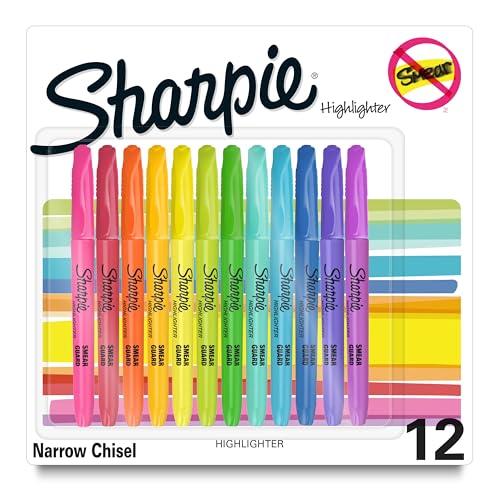
Sometimes you just need to see the data immediately, especially when you are flipping through hundreds of pages of digital printouts. Sharpie Pocket highlighters provide a vibrant, high-contrast mark that stands out against even the most cluttered genealogy forms.
These are incredibly affordable and easy to find in any local store, making them the most practical choice for a researcher on a budget. They are also compact enough to slide into a small pencil case or the pocket of a laptop bag.
The downside is that they can bleed through thinner paper, so test them on a corner of your document first. If you are working with standard printer paper, they are an excellent, no-nonsense solution for rapid identification of key dates and locations.
Pentel Hi-Polymer Erasable: Best for Old Documents

When dealing with high-value photocopies or sensitive materials, you want a tool that won’t damage the fibers of the paper. The Pentel Hi-Polymer line offers a unique texture that feels more like a dry crayon than a wet marker, which is much safer for fragile documents.
Because they are dry, there is zero risk of ink bleeding or feathering, even on poor-quality recycled paper. They are essentially a colored pencil that acts like a highlighter, providing a gentle touch that won’t ruin your research.
They do require periodic sharpening, which might be an annoyance if you prefer the "grab and go" nature of liquid highlighters. However, for the peace of mind they provide, the extra maintenance is a small price to pay.
Kokuyo Beetle Tip: Best for Versatile Line Widths
The Kokuyo Beetle Tip is a clever Japanese design featuring a split tip that allows you to create three different line widths with a single marker. This is perfect for genealogy charts where you might need a thick line for a surname and a thin line for a birth date.
In a small home workspace, having fewer items in your drawer is a major win. This one highlighter replaces the need for a set of different pens, saving you valuable desk space.
It takes a little practice to master the angle of the tip, but once you get the hang of it, your organizational system will become much more streamlined. It’s a highly efficient tool for those who like to keep their desk clutter-free.
Muji Pastel Highlighters: Best for Subtle Marking

Muji is known for its clean, minimalist aesthetic, and their pastel highlighters are no exception. They are perfect for researchers who want to color-code their family tree without turning their documents into a neon eyesore.
These markers are very affordable and fit perfectly into the slim, modular storage bins often used in modern apartments. They are also water-based, meaning they are unlikely to bleed through most standard papers.
Because the colors are quite faint, they are best suited for highlighting text you intend to read frequently rather than for marking up messy, handwritten notes. They provide a sophisticated, tidy look for your final organized files.
Why Archival Ink Matters for Genealogy Records
Using the wrong ink can be a disaster for your long-term research goals. Standard office-grade highlighters often contain acids that can eat away at paper over time, causing it to become brittle and yellow.
Always look for products labeled "acid-free" or "archival safe" if you intend to keep your documents for more than a few years. This simple check will prevent your important records from disintegrating in their folders.
Even if you aren’t a professional archivist, treating your family documents with care ensures that your hard work survives for the next generation. Investing a few extra dollars in archival-quality supplies is the best insurance policy for your family history.
How to Color-Code Your Family Tree Research
A good color-coding system turns a confusing spreadsheet into an intuitive map of your ancestry. You might use one color for paternal lines, another for maternal lines, and a third for "unverified" leads that need more research.
Start simple so you don’t confuse yourself later on. If you are working in a small space, keep a small index card taped to your wall or desk that acts as a "legend" for your color system.
Consistency is more important than complexity. Once you pick a color for a specific branch of your family, stick with it across all your charts and binders to maintain a cohesive research flow.
Tips for Marking Fragile Historical Documents
Never use a highlighter directly on an original historical document, such as a birth certificate or an old letter. Always make a high-quality scan or photocopy first, and perform your research and marking on that copy instead.
If you must mark a copy, use a light hand. Pressing too hard can leave indentations on the paper, which can be distracting and potentially damaging if the paper is thin.
If you are unsure about a highlighter, test it on a scrap piece of paper that is similar in weight and quality to your document. This simple step prevents irreversible errors and keeps your research looking professional and clean.
Finding the right highlighter is a small but significant step in mastering your genealogy project. By choosing tools that suit your specific storage needs and document types, you ensure your family history remains organized and protected. Start with one of these reliable options, and you will find your research process becomes much smoother and more enjoyable.