
7 Best Heavy-Duty Hdmi Cables For Frequent Plugging And Unplugging
Frequent cable swapping wears out connectors. Discover our top 7 heavy-duty HDMI cables, built for durability, signal integrity, and daily plug-and-play use.
We have all been there—crawling behind a heavy media console just to swap a cable, only to find the connector head is loose or the casing is fraying. Frequent plugging and unplugging puts immense physical stress on both your devices and the cables themselves. Investing in a robust, heavy-duty HDMI cable is the easiest way to prevent signal loss and protect your expensive hardware ports.

Zeskit Maya 8K: Best Overall Braided Cable
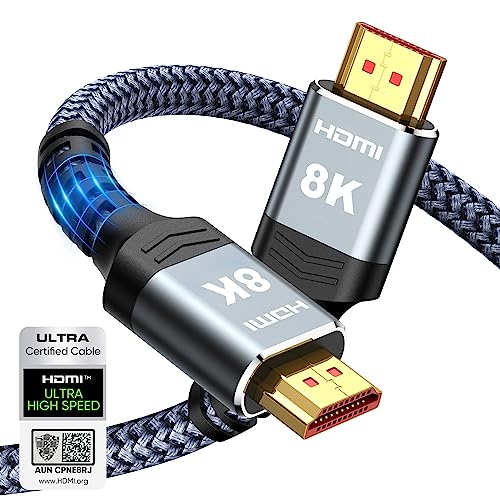
If you are a gamer or a movie buff who constantly switches between a console, a laptop, and a streaming box, the Zeskit Maya 8K is the gold standard. Its ultra-high-speed certification ensures you aren’t losing image quality, while the thick, braided exterior acts as a protective shield against constant handling.
Because this cable is quite stiff, it is best suited for setups where you have a bit of clearance behind your TV or monitor. The reinforced collar at the head of the connector is specifically designed to withstand the torque that happens when you pull it out at an angle.
For households with kids or pets that might bump into your media setup, this cable’s durability is a major peace-of-mind feature. It is a premium investment, but it is built to survive the wear and tear of a busy living room.
Cable Matters 48Gbps: Top Value for Reliability

When you need to outfit multiple rooms without breaking the bank, Cable Matters offers a professional-grade solution that feels incredibly sturdy. These cables are known for their consistent performance and a connector housing that doesn’t feel like it will snap off after a few dozen cycles.
The cable itself has a substantial gauge, which helps it maintain structural integrity even when you are frequently routing it through different ports. It lacks the fancy aesthetic of some luxury brands, but it prioritizes the internal shielding and connection points that actually matter for longevity.
This is my go-to recommendation for renters who move frequently and need gear that can survive being packed, unpacked, and re-routed in different apartment layouts. You get high-end reliability without paying for marketing fluff.
UGREEN 8K HDMI 2.1: Best for Daily Connections

UGREEN has mastered the balance between a flexible cable and a durable one, making it perfect for those who plug and unplug their laptop to a TV daily. The connector head is slim enough to fit into tight spaces, yet the housing is reinforced to handle a firm grip.
The braided jacket is soft enough to coil easily, which prevents the internal wires from kinking or breaking over time. If you work from home and switch your monitor between a work laptop and a personal PC, you will appreciate how easy this cable is to manage.
It is a practical, no-nonsense choice that fits well in small office setups or dorm rooms where cable management is limited. You aren’t paying for unnecessary bulk, just solid engineering.
AudioQuest Pearl: Premium Build for Durability
If you have a dedicated home theater or a high-end sound system that you occasionally reconfigure, the AudioQuest Pearl is a step up in build quality. These cables use high-purity conductors and a very dense jacket that resists physical impact and abrasion.
The physical construction of the plug is exceptionally tight, ensuring that you get a secure, wobble-free connection every time you insert it. While it is more expensive than standard options, the tactile feel of the connectors suggests they are designed for long-term, heavy-duty use.
This is an excellent choice for homeowners who want to "buy once, cry once" and avoid the hassle of replacing cables every few years. It is a sturdy, reliable workhorse that feels like it belongs in a permanent, high-traffic installation.
Monoprice 8K Certified: Best Budget Heavy-Duty
Experience stunning visuals with this 8K certified Ultra High Speed HDMI cable. It supports 8K@60Hz and 4K@120Hz resolutions with 48Gbps bandwidth, Dynamic HDR, and eARC for immersive audio.
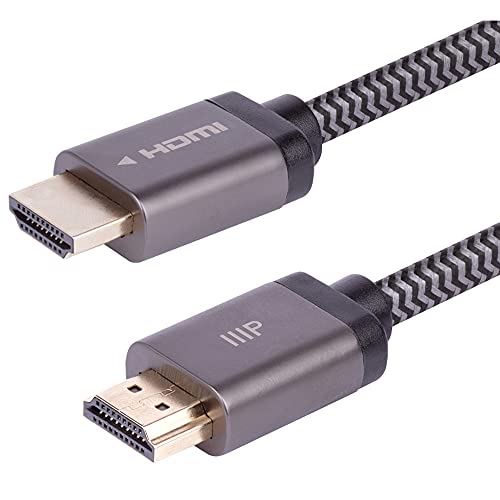
Monoprice has long been the favorite of thrifty homeowners because they provide certified, reliable performance at a fraction of the cost of big-box store brands. Their 8K certified cables are surprisingly thick and feature a robust strain relief collar that prevents the cable from bending too sharply at the plug.
Because they are affordable, you can stock up on several lengths to keep in your utility drawer for when guests visit or when you need to quickly link a device to your TV. They aren’t the most flexible cables on the market, but that rigidity actually helps keep them from tangling behind your media console.
If you are on a tight budget or need to replace cables for the whole family, this is the most sensible path. You get the necessary certifications without the premium price tag.
PowerBear 4K Cable: High-Strength Nylon Weave

The PowerBear cable features a high-density nylon braid that is specifically designed to resist pulling, tugging, and the occasional accidental trip. If your HDMI cable sits in a high-traffic area, such as a floor-run or a desk that gets moved often, this is a great protective option.
The connectors are gold-plated and housed in a metal casing that feels solid and cold to the touch. This extra weight helps with the "plug-and-play" experience, as the cable stays put once inserted rather than sagging under its own weight.
It is a fantastic middle-ground option that offers better physical protection than standard plastic cables. It’s ideal for busy households where the media center is a focal point of daily activity.
Syncwire HDMI 2.1: Best for Frequent Port Swaps
Syncwire is known for its excellent strain relief, which is the most critical feature for someone who swaps cables daily. The neck of the connector is flexible yet durable, allowing it to bend slightly without putting stress on the internal solder points.
This cable is designed with the reality of daily use in mind, featuring a tangle-free exterior that makes it easy to grab and move. It is a great companion for people who use their TV as a second monitor and need to disconnect it every evening.
If you are tired of cables failing right where the wire meets the plug, this is the design you should be looking for. It is a reliable, user-friendly cable that stands up to the rigors of an active lifestyle.
Critical Features for High-Traffic HDMI Cables

When shopping for a cable that will be moved often, focus on these three things:
- Strain Relief: Look for a long, flexible rubber or silicone neck at the base of the connector.
- Braided Jackets: Nylon braiding adds a layer of physical armor that prevents the internal wires from snapping.
- Connector Housing: Metal or reinforced plastic housings are much less likely to crack or loosen than cheap, thin plastic shells.
Avoid cables that feel overly thin or have flimsy, short connector heads. A heavy-duty cable should feel substantial in your hand, signaling that the internal shielding is thick enough to handle repeated physical manipulation.
How to Protect Your Ports From Physical Damage
The cable is only half the battle; the port on your TV or console is the real point of failure. If you are constantly plugging and unplugging, consider using a short HDMI "pigtail" or extension cable.
By leaving a short, inexpensive extension plugged into your device, you move the wear and tear from your expensive TV port to a cheap, replaceable cable. This is a simple trick that saves your hardware from being damaged by a loose or worn-out port.
Always ensure that you are pulling the cable by the connector head, not the cord itself. Pulling by the wire is the fastest way to ruin even the most expensive heavy-duty cable.
Essential Tips for Managing Cable Strain Relief
Cable management isn’t just about aesthetics; it is about preventing gravity from doing the work for you. If a heavy cable is pulling downward on your port, it will eventually cause a loose connection.
Use Velcro cable ties to secure your cables to the back of your TV stand or desk leg. This creates a "service loop" that absorbs the tension so that your device ports never feel the weight of the cable.
If you find yourself constantly reaching behind a wall-mounted TV, consider installing an HDMI wall plate. This allows you to plug your devices into a fixed, wall-mounted port instead of fishing for the cable behind the screen.
Keeping your home entertainment setup functional shouldn’t be a source of constant frustration. By choosing cables with reinforced strain relief and braided exteriors, you can significantly extend the life of your connections. Remember that a little extra care in how you manage your cables today will save you from expensive repairs and connectivity headaches tomorrow.
