7 Best Cable Sleeves for Protecting Cords on Carpeted Floors
Keep cords safe and tidy on carpeted floors. Our guide reviews the 7 best cable sleeves to prevent tripping hazards and protect your wires from daily wear.
We have all navigated the frustration of a loose power cord snaking across a rug, creating both a tripping hazard and an eyesore. Protecting your cords on carpeted floors isn’t just about aesthetics; it is a fundamental step in preventing accidents and extending the life of your expensive electronics. This guide will help you select the right cable management solution to keep your home safe, organized, and functional.
Safcord Cable Cover: Best for Carpet Grip
If you have ever dealt with a cable cover that slides across the rug every time you walk by, you know the frustration of constant readjustment. The Safcord is unique because it uses a hook-and-loop system that effectively "grabs" the fibers of your carpet, holding firm even in high-traffic areas.
It is an ideal choice for renters because it requires no adhesives, meaning you won’t leave any sticky residue behind when you move. Because it sits flat against the floor, it is much less noticeable than bulky plastic ramps, blending seamlessly into your existing decor.
While it excels at grip, keep in mind that it is best suited for low-to-medium pile carpets. If you have extremely plush or shag carpeting, the hook-and-loop backing may struggle to find a solid anchor point.
Electriduct Cord Protector: Best for Durability
When you are running cords through a high-traffic zone like a hallway or an office workspace, you need something that can withstand heavy footsteps and rolling chairs. The Electriduct protector is essentially a heavy-duty rubber ramp that shields your cables from being crushed or frayed over time.
This is a "set it and forget it" solution that works well in both residential and light commercial settings. It is built to last, providing a physical barrier that keeps your cables completely protected from external pressure.
The trade-off here is bulk; this is not a subtle product. You will definitely feel the bump when you walk over it, so it is best reserved for areas where foot traffic is frequent but not constant.
D-Line Floor Cable Cover: Best Low-Profile Pick
If you are tired of stubbing your toes on bulky cable protectors, the D-Line is your best friend. Its semi-circular shape is designed to be as unobtrusive as possible, providing a smooth transition that is easy on the feet and eyes.
This cover is particularly popular for living rooms or home offices where you want to hide a single cord or a small bundle of wires without making a scene. It is rigid, which provides excellent protection against accidental kicks or vacuum cleaner brushes.
Because it is a rigid plastic, it doesn’t flex well on uneven surfaces. Make sure your carpet is stretched tight and flat to get the best results, as a wavy rug will cause the cover to lift at the edges.
Sewn-On Hook and Loop: Best for Thick Carpeting
Sometimes, the best solution is a DIY approach, especially if you have deep, luxurious carpeting that makes traditional covers slide around. By using a simple roll of industrial-strength hook-and-loop tape, you can create a custom channel for your cords.
This heavy-duty hook and loop tape set includes 30 feet of both hook and loop strips with strong adhesive backing. Easily cut to size for secure, residue-free attachment on smooth surfaces for home, office, and crafting needs.


You simply lay the cords down and place a strip of the hook-and-loop fabric over them, pressing it into the carpet fibers. It is incredibly effective for thick rugs where standard plastic covers would simply sit on top and wobble.
The downside is that this method is semi-permanent and requires a bit of manual labor to set up correctly. However, for a homeowner looking for a bespoke fit that won’t budge, this is often the most cost-effective and reliable path.
Dekord Carpet Cable Cover: Best for High Traffic
The Dekord system is designed specifically for those areas of your home that see constant movement, such as the path between your kitchen and living room. It features a specialized fabric backing that clings to carpet fibers, much like the Safcord, but with a heavier-duty top layer for extra protection.
It is an excellent choice for families with children or pets who are running through the house constantly. It stays put, resists fraying, and maintains a low profile that prevents tripping.
While it is more expensive than basic plastic sleeves, the investment is worth it for the peace of mind. You won’t have to worry about replacing it every few months, as the material is designed to handle significant wear and tear.
Kable Kontrol Split Sleeve: Best for Flexibility

If you have a complex setup with multiple cords branching off in different directions, a rigid cover will only frustrate you. The Kable Kontrol split sleeve is designed to be flexible, allowing you to bundle cables together and snake them across the floor with ease.
This sleeve is perfect for behind-the-desk setups where you have several power cords, monitor cables, and internet wires that need to stay grouped. You can easily pull out one cord or add another without having to dismantle the entire system.
Because it is made of a woven material, it doesn’t offer the same crush protection as a hard rubber ramp. Use this in areas where the cables are tucked away or under furniture rather than in the middle of a busy walkway.
SimpleCord Channel Kit: Best for Wall-to-Floor
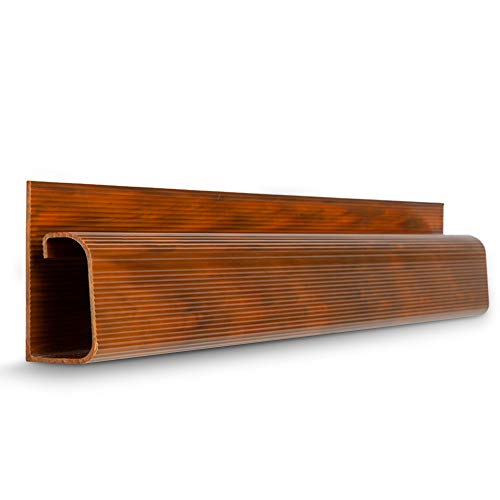
Transitioning a cord from a wall outlet down to the floor can be a messy affair, often leaving a dangling, unprotected wire. The SimpleCord kit provides a clean, professional way to manage that transition using a combination of wall-mounted channels and floor-level covers.
This is the best choice for homeowners who want their office or entertainment center to look polished and organized. It hides the wires completely, making them look like a natural part of the wall and floor architecture.
The installation is slightly more involved, as it often requires adhesive or small screws to secure the wall channels. It is a fantastic long-term solution, but perhaps overkill if you are just looking to cover a single cord for a temporary setup.
How to Measure Your Cords for the Right Fit
Before you buy, you must measure the total diameter of your cord bundle, not just a single cable. Use a piece of string to wrap around your cables, then measure that string against a ruler to get an accurate circumference.
- Small (Under 0.5 inches): Ideal for single lamp cords or phone chargers.
- Medium (0.5 to 1 inch): Standard for power strips, monitor cables, and extension cords.
- Large (Over 1 inch): Necessary for thick, multi-cable bundles or heavy-duty appliance cords.
Always choose a sleeve slightly larger than your bundle size to ensure ease of installation. A sleeve that is too tight will be a nightmare to thread, leading to frustration and potential damage to the wire insulation.
Safety Tips for Securing Wires on Carpets
The golden rule of cable management is to never force a wire into a position where it is pinched or bent at a sharp angle. Sharp bends can cause internal wire breakage, which is a significant fire hazard over time.
- Avoid Overheating: Never bundle high-wattage appliance cords (like heaters or window AC units) tightly inside a sleeve, as they need to dissipate heat.
- Check for Fraying: Before covering any cord, inspect the entire length for nicks or exposed copper.
- Don’t Overload: Keep your power strips within their rated load capacity to prevent overheating within the sleeve.
If you notice a sleeve feeling warm to the touch, remove it immediately and reassess your cable load. Safety should always take precedence over aesthetics.
Maintenance Tips for Keeping Sleeves Clean
Even the best cable sleeves will collect dust and pet hair over time, especially on carpeted floors. For fabric-based sleeves, a quick pass with a vacuum attachment once a week is usually enough to keep them looking fresh.

For plastic or rubber protectors, a damp microfiber cloth is your best tool. Simply wipe down the surface to remove surface-level debris that can make the protector look dingy or worn.
If you find that your hook-and-loop sleeves are losing their grip, it is likely because the "hooks" have become clogged with carpet lint. Use a stiff brush or a pair of tweezers to clear out the debris, and the grip will be as good as new.
Protecting your cords on carpeted floors is a small investment that pays off in both safety and home organization. By choosing the right material for your specific traffic patterns and carpet type, you can eliminate tripping hazards for good. Remember to prioritize safety over aesthetics, and your home will remain a secure and tidy space for years to come.