7 Best Command Hooks With Easy-grip Release Tabs
Discover the 7 best command hooks featuring easy-grip release tabs. Learn how these damage-free solutions offer secure holding power and simple removal.
We have all experienced the frustration of wanting to hang a picture or organize a kitchen without leaving permanent scars on our walls. Command hooks have become the gold standard for renters and homeowners alike because they offer a damage-free way to reclaim vertical space. This guide will help you navigate the specific varieties available so you can choose the right tool for your unique household needs.
Command Large Utility Hooks: Best Overall Choice
When you need a reliable workhorse for the mudroom or garage, the large utility hook is your go-to solution. These are designed to handle significant weight, making them perfect for heavy winter coats, backpacks, or even oversized reusable grocery bags.
Because they feature a deeper hook profile, they keep items securely in place even when you are in a rush. They are the most versatile option for busy families who need to clear floor space quickly.
While they are not the most aesthetically pleasing option for a formal living room, their utility is unmatched. If you prioritize function over form, these are the best investment for your daily organization.
Command Medium Designer Hooks: Ideal for Decor
Sometimes you need a solution that bridges the gap between utility and visual appeal. Medium designer hooks offer a sleeker silhouette that blends into hallways, bedrooms, or entryways without looking like industrial hardware.
These are excellent for hanging lightweight decor, scarves, or hats where the hook itself might be visible. They provide a cleaner look than standard utility hooks while still offering the reliable easy-grip release tabs we all love.
Keep in mind that these have a lower weight capacity than the utility series. They are best suited for light, everyday items rather than heavy winter gear or bulky equipment.
Command Clear Small Hooks: Best for Visibility
If you are decorating for the holidays or organizing a space where you don’t want the hardware to stand out, clear hooks are the answer. They are virtually invisible against glass, mirrors, or painted surfaces.
These are a favorite for renters who want to hang fairy lights or small window decorations without creating a visual eyesore. Because they are transparent, they allow your decor to take center stage.
The trade-off is that they are generally intended for very light duty. Avoid using them for anything heavier than a light string of lights or a single lightweight ornament.
Command Brushed Nickel Hooks: Best for Styling
For those who want to elevate the look of their home without drilling holes, brushed nickel finishes offer a touch of sophistication. They mimic the look of high-end cabinet hardware and fit perfectly in modern, updated spaces.
These hooks are ideal for guest bathrooms or kitchens where you want the organization to feel intentional rather than temporary. They provide a polished finish that feels more "permanent" even though it is completely removable.
They do come at a higher price point than the standard white plastic versions. Consider using these in high-traffic areas where the visual upgrade justifies the extra cost.
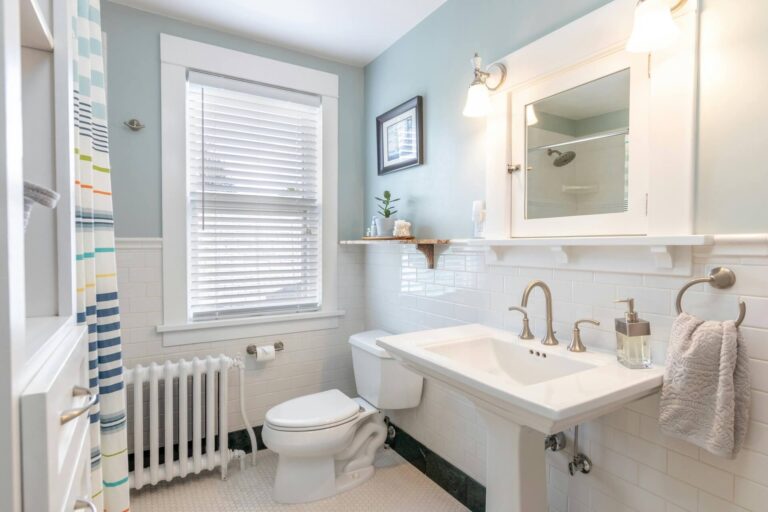
Command Bath Satin Nickel Hooks: Best for Wet
Bathrooms are notoriously difficult for adhesive products due to the constant fluctuations in humidity and temperature. These specific bath-rated hooks are engineered with water-resistant adhesive strips that hold firm even in steamy environments.
They are perfect for holding damp towels or robes right where you need them, without the need for bulky towel bars. The satin nickel finish is also designed to resist rusting, which is a major advantage over standard indoor hooks.
Always ensure the wall is completely dry and free of soap residue before application. If you skip the prep, even the best water-resistant adhesive will eventually fail.
Command Outdoor Terrace Hooks: Best for Weather
Managing outdoor spaces often means dealing with brick, stucco, or siding that is impossible to drill into. These outdoor-rated hooks are designed to withstand UV rays and changing temperatures throughout the seasons.
They are fantastic for hanging lanterns, bird feeders, or light seasonal decor on a porch or balcony. Because they are built for the elements, they offer a stronger bond than indoor-only alternatives.
Be aware that these are not meant to stay up indefinitely in extreme climates. Check them periodically to ensure the bond remains secure after heavy wind or rain events.
Command Heavyweight Utility Hooks: Best for Gear
When you have heavy-duty storage needs, such as a vacuum hose, a heavy tool bag, or a step stool, standard hooks simply won’t cut it. Heavyweight hooks are built with a reinforced structure to manage substantial loads.
These are essential for garage organization or basement storage where you need to get bulky items off the floor. They provide the peace of mind that your gear will stay where you put it.
- For heavy items: Always verify the weight limit on the packaging.
- For safety: Never exceed the weight rating, as the adhesive relies on a specific surface area to maintain its grip.
- For longevity: Ensure you are applying these to a flat, non-porous surface for the best results.
How to Properly Prep Surfaces for Hook Adhesion
The most common reason for hook failure is poor surface preparation. Adhesive strips cannot bond to dust, grime, or invisible layers of cleaning residue.
- Clean with Isopropyl Alcohol: Wipe the surface down with rubbing alcohol and let it dry completely.
- Avoid Household Cleaners: Do not use all-purpose sprays, as they often leave behind waxy films that prevent the adhesive from sticking.
- Ensure Proper Temperature: Apply these when the wall and the adhesive are at room temperature for the strongest initial bond.
Taking these three minutes to prep will save you from the frustration of a hook falling in the middle of the night. It is the single most important step in the entire installation process.
Tips for Removing Tabs Without Damaging Paint
Removing a command hook should never involve peeling the paint off your wall. The secret is to stretch the adhesive tab slowly and straight down, keeping it flush against the wall surface.
If you pull the tab toward you or at an angle, you increase the risk of tearing the paint or drywall. Patience is your best friend here; stretching the tab slowly allows the adhesive to release its grip gracefully.
If you are worried about delicate wallpaper or older paint, you can use a hairdryer to gently warm the adhesive before pulling. This softens the bond and makes the removal process even safer for your walls.
Common Mistakes When Applying Adhesive Hooks
Many users apply the hook and immediately hang their items, which is a recipe for disaster. You must wait at least one hour—preferably longer—for the adhesive to "set" before applying any weight.
Another frequent error is applying hooks to freshly painted walls. The paint needs to be fully cured, which can take several weeks, or the adhesive will pull the paint right off when you eventually remove it.
Finally, avoid the temptation to reuse old adhesive strips. Once a strip has been removed, it loses its structural integrity and will never hold as securely as a fresh one.
Choosing the right hook comes down to matching the specific environment of your home with the weight and style of the item you need to hang. By prioritizing proper surface preparation and following the removal instructions, you can keep your walls pristine while staying organized. Remember that these tools are designed to make your life easier, so choose the option that best fits your daily routine rather than worrying about perfection.