
7 Best Emergency Car Kits for Midwest Road Trips
Gear up for Midwest road trips! Discover 7 essential emergency car kits to keep you safe. Get prepared now!
Navigating the open roads of the Midwest requires more than just a full tank of gas and a reliable GPS. Unexpected breakdowns, sudden weather shifts, and minor road mishaps can turn a smooth family excursion into a stressful ordeal if the vehicle is not properly equipped. Investing in a comprehensive emergency car kit provides the peace of mind necessary to handle these common roadblocks with confidence.
AAA Premium Kit: Best for All-Around Confidence
Midwestern weather can change in an instant, shifting from sunny afternoons to blinding rain or snow. This kit is designed for those who want the assurance of the industry-standard brand without needing to source individual components separately.
The inclusion of high-quality jumper cables and a durable carry case makes this a staple for families who value longevity. While the price point sits higher than generic alternatives, the reliability of the included tools often justifies the investment for long-distance commuters.
Choose this kit if the vehicle is the primary mode of transportation for daily errands or long-haul travel. It offers the most balanced approach to safety, ensuring that you are prepared for both electrical and mechanical failures.
Lifeline Excursion Kit: Best for the Family SUV
Large vehicles like SUVs and minivans often have extra storage space, which allows for a more robust emergency kit. The Lifeline Excursion kit fills that space with a wide array of items specifically curated for larger groups and longer trips.
Beyond basic roadside repair tools, this kit typically includes extra comfort items and safety signaling equipment. Its organized internal compartments prevent the common issue of digging through a cluttered bag while on the side of a highway.
If the family vehicle spends time on interstates or rural backroads, the added volume of this kit is a significant advantage. It ensures that everyone in the car remains comfortable and safe until help arrives or the issue is resolved.
First Secure 90-Piece: Best Bang for Your Buck
For households that prefer to keep a tight budget while maintaining safety standards, this kit provides a comprehensive list of tools without the brand-name premium. It is an excellent choice for a secondary car or a vehicle driven by a college student.
The 90-piece count covers a surprising breadth of scenarios, from minor first-aid needs to basic electrical troubleshooting. While the materials may not feel as heavy-duty as professional-grade equipment, they are perfectly functional for standard household use.
Prioritize this option if you need to equip multiple vehicles simultaneously. It offers the best return on investment by ensuring that no car in the driveway is left without basic safety gear.
HAIPHAIK Roadside Kit: Best for Simple Repairs
Sometimes, the simplest issues—like a dead battery or a loose hose—are the ones that cause the most frustration. This kit focuses specifically on the most common mechanical failures, providing the essential tools needed to get moving again quickly.
The design is sleek and straightforward, catering to those who want a practical solution without unnecessary filler items. It is particularly helpful for suburban drivers who need a reliable backup during their daily commute.
This kit is ideal for those who have basic knowledge of car maintenance but lack the specific tools in their trunk. It bridges the gap between knowing how to fix a problem and actually having the hardware to execute the repair.
Everlit First Aid Kit: Best for Medical Supplies
Roadside safety is not just about the vehicle; it is also about the occupants. Many standard roadside kits treat medical supplies as an afterthought, but the Everlit kit prioritizes trauma care and health preparedness.
This kit is highly recommended for families traveling with children or elderly passengers. The contents are well-organized and clearly labeled, which is critical during a high-stress moment when clear thinking is difficult.
Consider adding this to your existing roadside kit if the current emergency bag lacks comprehensive medical supplies. Relying on a dedicated medical kit ensures that you have higher-quality bandages and supplies than what is found in generic, all-in-one car bags.
Justin Case Compact Kit: Fits Neatly in Any Trunk
Small apartment dwellers or those with sports cars often struggle with trunk space limitations. The Justin Case Compact Kit is engineered to fit into tight corners or under seat compartments, proving that safety equipment does not have to be bulky.
Despite its small footprint, it contains the absolute essentials required for minor roadside emergencies. It effectively demonstrates that prioritizing space efficiency does not mean compromising on core safety needs.
This is the smartest choice for compact sedans or hatchbacks where every inch of cargo room is at a premium. It guarantees that you are never tempted to remove your safety kit simply to make room for groceries or luggage.
Ready America Kit: For Serious Winter Weather
The Midwest is famous for its harsh winters, which demand specialized gear that standard kits often ignore. The Ready America kit excels here by including items designed to improve traction and warmth in sub-zero conditions.
Standard items like flares or basic cables are supplemented by winter-specific tools that help navigate icy roads and freezing temperatures. This makes it an essential purchase for any homeowner navigating snow-belt regions during the winter months.
Do not overlook the importance of specialized winter gear, even if you already have a summer kit. Keeping this in the trunk from November through March provides a crucial layer of safety against the region’s most unpredictable weather.
Customizing Your Kit for Winter vs. Summer Travel
The needs of a vehicle shift dramatically with the turning of the seasons. In the summer, focus on hydration, sunscreen, and heat-reflective materials, whereas winter travel demands items that combat freezing, such as extra blankets, hand warmers, and a small folding shovel.
Seasonal Maintenance Checklist: * Winter: Add extra layers, a heavy-duty ice scraper, and a small bag of sand or kitty litter for traction. * Summer: Include extra water, electrolyte packets, and portable cooling towels for the passengers. * Year-Round: Ensure your flashlights have fresh batteries and your jumper cables remain free of corrosion.
By adjusting the contents of the trunk twice a year, you avoid carrying unnecessary dead weight while ensuring you are never caught unprepared. Treating your emergency kit as a living, breathing resource is far more effective than a “set it and forget it” approach.
Where to Store Your Kit for Easiest Access
Accessibility is the most overlooked factor in emergency preparedness. If the kit is buried beneath luggage or stored in a spare tire well that requires unloading the entire trunk, it becomes useless during a crisis.
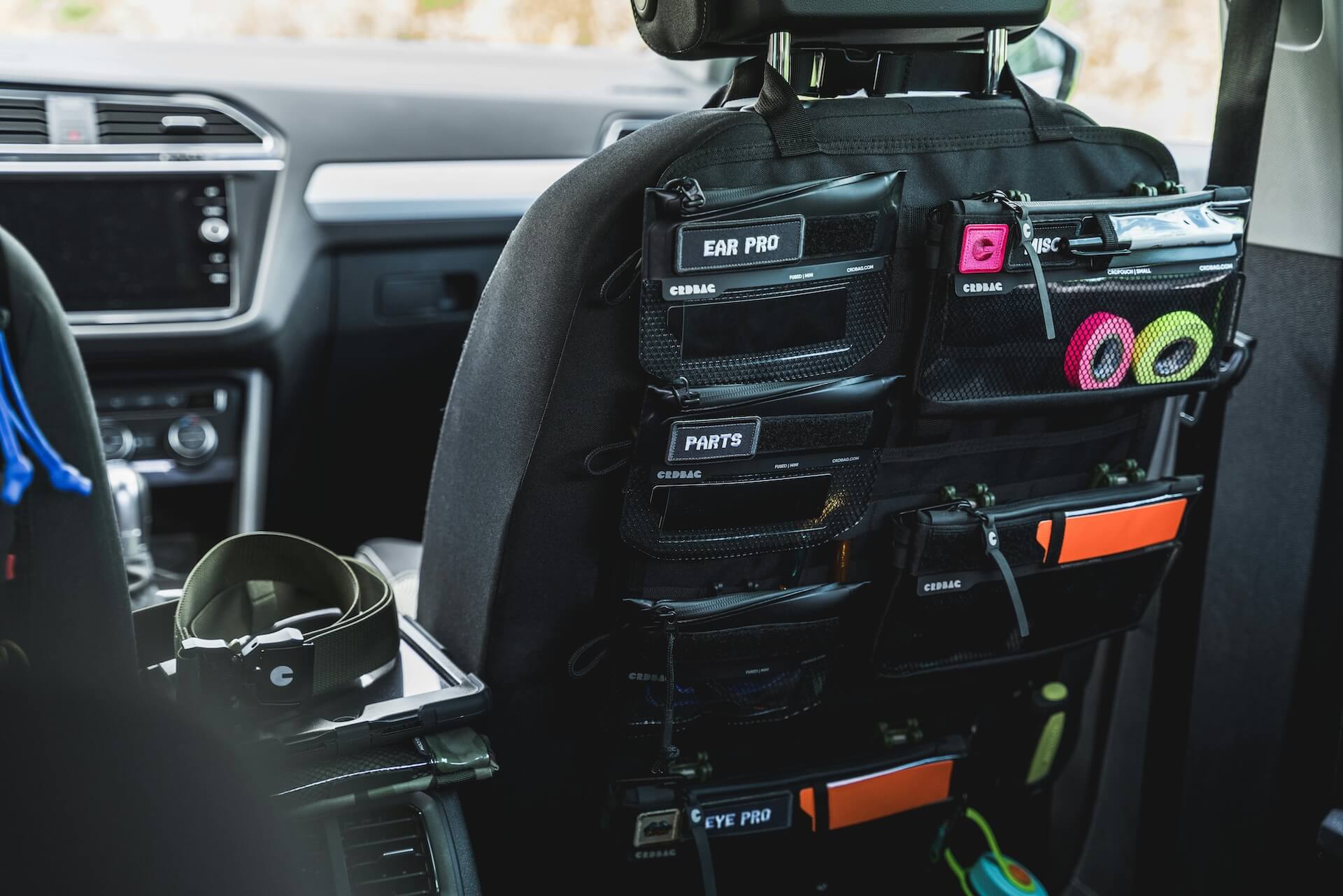
Store the kit in a designated container—ideally a soft-sided bag with straps—that can be secured in a corner of the trunk. For those with larger vehicles, using a cargo net to hold the kit in an upright, accessible position is a highly effective way to keep it reachable at a moment’s notice.
Always ensure the kit is positioned near the tailgate or trunk opening. Accessibility is the difference between a quick recovery on the side of the road and a dangerous, lengthy process of searching through belongings.
How Often to Check and Refresh Your Supplies
Emergency kits are not permanent; items like flares, batteries, and medical supplies have expiration dates or shelf lives. Establish a schedule to check your kit every six months, ideally when changing the clocks for Daylight Saving Time.
Check for battery leakage, test the flashlight output, and verify that all liquid components, such as sanitizers or ointments, remain within their expiration windows. Replace any items that look degraded or compromised immediately.
Consistency in maintenance turns a box of tools into a reliable safety net. By making this a part of your standard household routine, you ensure that when the unexpected occurs, your kit is ready to perform exactly as intended.
Preparation is the best way to handle the unpredictable nature of Midwestern travel. Selecting the right kit for your vehicle and keeping it maintained ensures that every trip, whether to the grocery store or across the state, ends safely.
