7 Best Emergency Road Flare Kits for Rural Drivers
Driving in rural areas demands preparedness. Discover the 7 best emergency road flare kits to ensure visibility and safety during unexpected vehicle breakdowns.
Driving on rural roads at night can turn a simple breakdown into a nerve-wracking experience when help is miles away. Having the right emergency lighting ensures you remain visible to passing traffic and safe while waiting for assistance. This guide breaks down the most reliable flare options to help you choose the best protection for your vehicle.
GearIT LED Road Flares: Best for High Visibility


When you are stranded on a winding country road, the primary goal is to be seen from a long distance before drivers reach your position. GearIT flares are designed with high-intensity LEDs that cut through pitch-black darkness, making them an excellent choice for rural drivers who face unlit, high-speed zones.
These units typically feature multiple flash patterns, allowing you to choose the most attention-grabbing signal for your specific situation. The brightness levels are consistent, ensuring that even in foggy or rainy conditions, your presence on the shoulder is unmistakable.
While these are battery-operated, the trade-off is the need to keep spare batteries in your glovebox or trunk organizer. If you prioritize raw visibility over the convenience of a rechargeable unit, these are a top-tier safety investment.
Orion Safety 20-Minute Flares: The Classic Choice
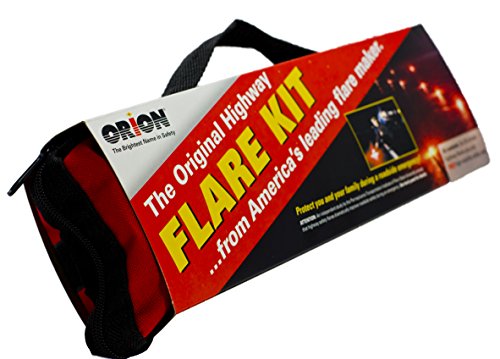
There is a reason traditional chemical flares have been the gold standard for decades in the trucking and emergency response industries. Orion’s 20-minute flares produce a brilliant, unmistakable red light that cannot be ignored, even in broad daylight or heavy blizzard conditions.
These are ideal for rural homeowners who want a "set it and forget it" solution that doesn’t rely on battery life or electronic components. Because they are shelf-stable for years, you can tuck a kit in your spare tire well and trust they will work when you need them most.
However, remember that these are single-use items that burn out and leave behind residue. They are a perfect backup to keep in your trunk, but they shouldn’t be your only source of light if you frequently drive long distances.
AYL LED Emergency Flares: Best Weather Resistance

Rural driving often involves navigating harsh elements, from heavy mud and rain to extreme winter snowfall. The AYL LED flares are built with a rugged, rubberized housing that stands up to drops, moisture, and temperature fluctuations better than most budget plastic alternatives.
These flares are designed to be virtually indestructible, which is vital if you have to deploy them in a hurry on a gravel shoulder. The seal quality is excellent, preventing water ingress even if the flare ends up sitting in a puddle or wet grass.
If you live in an area with unpredictable weather, the durability of these units is worth the slightly higher price point. They are a reliable choice for families who need gear that survives the wear and tear of a busy, active lifestyle.
Hausbell LED Flares: Best Value for Rural Drivers
For many households, budget is a significant factor when stocking multiple vehicles with emergency gear. The Hausbell LED flares offer a fantastic balance of functionality and affordability, providing the essential visibility features without the "pro-grade" price tag.
These units are compact and lightweight, making them perfect for smaller cars or households with limited storage space. You get the benefit of multiple flash patterns and a magnetic base, which allows you to attach the light directly to your car’s body if it is disabled.
While they may not feel as heavy-duty as the more expensive options, they are more than adequate for occasional use. They represent a practical, sensible choice for the average driver who wants to be prepared without overspending.
Kalolary LED Flares: Best Magnetic Base Design

One of the most frustrating aspects of roadside emergencies is finding a flat, stable surface to place your warning lights. The Kalolary LED flares solve this with a strong magnetic base that allows you to stick the flare directly onto your vehicle’s metal frame or bumper.
This design is incredibly useful if you are stuck on a narrow road with no shoulder, as you can elevate your light signal by placing it higher up on the car. It essentially turns your vehicle into a high-visibility beacon that oncoming drivers can see from much further away.
The magnets are strong enough to hold even when the car is vibrating from passing semi-trucks. If you have an older vehicle with plenty of metal exterior surfaces, this is a highly convenient and secure way to manage your emergency lighting.
EverBrite Emergency Flares: Best for Durability
If you are the type of person who keeps your car trunk packed with heavy tools, sports gear, or camping equipment, you need gear that can take a beating. EverBrite flares are constructed with impact-resistant materials that handle being tossed around in a crowded cargo area with ease.
The build quality here feels substantial, giving you confidence that the internal electronics won’t fail after a few months of bouncing around in your trunk. They are designed for the long haul, catering to drivers who want a one-time purchase that lasts for years.
While they might take up a bit more space than ultra-slim models, their longevity is a major selling point. They are the "workhorse" option for those who prioritize reliability and toughness over sleek, compact aesthetics.
Kohree LED Flares: Best Multi-Pack for Families
If you are looking to outfit multiple vehicles in your household—perhaps a primary SUV, a commuter car, and a teen driver’s vehicle—buying in bulk is the smartest financial move. The Kohree multi-pack provides several high-quality LED flares at a price that makes it easy to ensure every family member is protected.
Having multiple flares allows you to create a "safety triangle" around your vehicle, which is the gold standard for alerting traffic in both directions. This set is a great way to standardize your emergency kit across all family cars, ensuring everyone knows how to operate the same equipment.
The convenience of having a matching set means you aren’t guessing how to turn on a different brand of flare in a stressful situation. It is a practical, family-oriented solution for busy households that value safety and simplicity.
Essential Factors for Rural Emergency Lighting
When selecting your flares, consider the specific terrain you traverse daily. If you drive through deep forests or mountains where cell service is non-existent, your flares are your only way to signal for help, so prioritize brightness and battery longevity.
Space is another critical factor; if you drive a compact car, look for kits that come with a slim carrying case. You want your emergency gear to be accessible, not buried under a week’s worth of groceries or sports equipment.
Finally, think about ease of use during a crisis. If you have to deploy these in the dark or while it’s raining, you want a simple on/off switch or a intuitive button layout that doesn’t require a manual to understand.
LED vs. Chemical Flares: Which Should You Choose?
The debate between LED and chemical flares often comes down to reusability versus intensity. LED flares are the modern, practical choice for most homeowners because they can be used hundreds of times and don’t pose a fire hazard.
Chemical flares, however, offer a level of brightness and "burn" that LEDs struggle to match, especially in heavy fog or blinding snow. They are essentially a "get out of jail free" card for the most extreme, low-visibility conditions.
The best strategy for a rural driver is a hybrid approach: keep a set of LEDs for routine breakdowns and a pair of chemical flares in your emergency kit for those rare, high-stakes situations. This covers all your bases without forcing you to choose just one technology.
Proper Flare Placement for Maximum Road Safety
Placement is just as important as the quality of the flare you purchase. On a standard rural road, you should place the first flare 10 feet behind your vehicle, the second 100 feet behind, and the third 200 feet behind to give oncoming traffic ample time to react.
If you are on a hill or a blind curve, always place your furthest flare before the curve or crest of the hill. This warns drivers of the hazard before they are physically upon it, which is the most effective way to prevent a secondary collision.
Always handle flares with caution and ensure they are placed on stable ground where they won’t be knocked over by wind or passing traffic. Taking these few extra seconds to place them correctly can be the difference between a safe wait and a dangerous encounter.
Investing in a quality set of road flares is one of the most affordable ways to add a significant layer of safety to your rural driving routine. Whether you opt for the long-lasting durability of LEDs or the raw intensity of chemical flares, the goal is simply to be prepared for the unexpected. Pick the kit that fits your storage needs and budget, and keep it somewhere you can reach in an instant.