
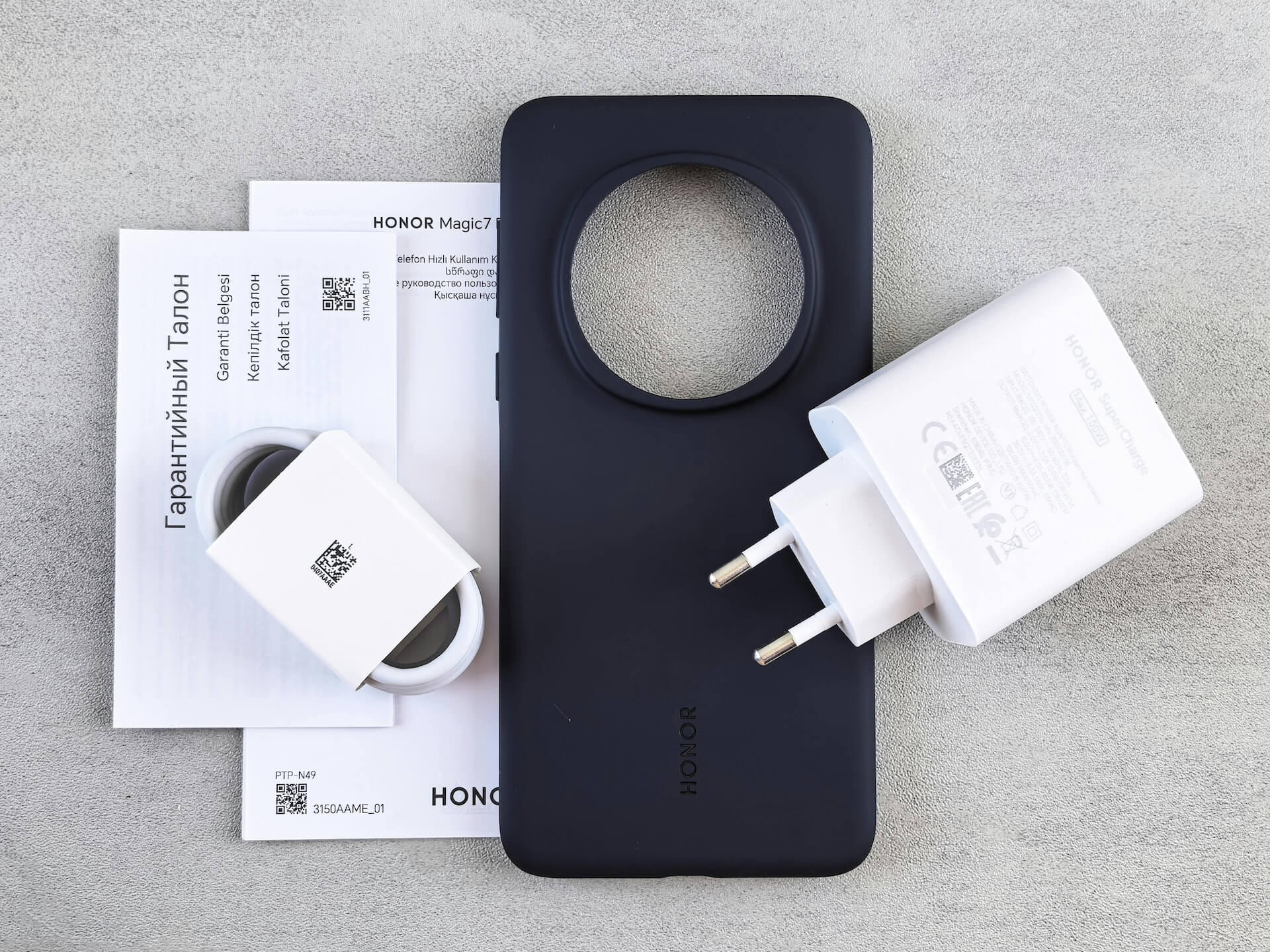
7 Best Rapid Wall Chargers for Busy Mornings
Power up your busy mornings with the 7 best rapid wall chargers. Find your perfect match now!
The alarm clock rings, the coffee pot is already gurgling, and a quick glance at the nightstand reveals a phone battery sitting at a dismal twelve percent. Everyone in the house needs a quick power boost before the school run or the commute, yet outlet space is often the first bottleneck of the day. Upgrading to a rapid wall charger transforms these chaotic mornings by ensuring essential devices are ready in a fraction of the usual time.
Anker 735 Charger: The All-in-One Family Station
For a busy household with multiple devices scattered across the kitchen island, a centralized hub is a necessity. The Anker 735 acts as a high-speed command center, capable of powering a laptop, a tablet, and a smartphone simultaneously. Because it uses Gallium Nitride (GaN) technology, it remains compact despite its significant output, preventing it from drooping out of loose wall outlets.
Managing cables can become a chore, but this charger effectively consolidates three separate power bricks into one sleek footprint. It works exceptionally well in homes where outlets are limited or located in awkward, hard-to-reach spots.
Choose this if: The household juggles work laptops and personal devices and needs to reclaim desk or counter space from a tangle of bulky chargers.
Belkin BoostCharge 30W: Simple and Trusted Power
Sometimes, the best technology is the kind that works without a steep learning curve or complex setup. The Belkin BoostCharge is a straightforward, reliable workhorse designed for those who just want to plug in a phone and walk away. Its 30W output is the sweet spot for modern iPhones and Android devices, providing a full charge significantly faster than the standard blocks included with phones years ago.
This unit excels in high-traffic areas like entryways or mudrooms where guests might need a quick charge. Its durable build ensures it can survive the occasional drop on a tile or hardwood floor, making it a reliable addition to any home’s hardware drawer.
Choose this if: Reliability and brand longevity take precedence over multiple ports or fancy extra features.
Spigen ArcStation 45W: For Both Apple & Android
Compatibility concerns often plague households that mix Apple and Android devices under one roof. The Spigen ArcStation offers a universal solution by providing robust, adaptive power that recognizes the needs of different devices instantly. Its 45W output is powerful enough to handle tablets and larger phones with ease, cutting down wait times significantly.
The design is intentionally slim, which is a major advantage for homes with older electrical setups where outlets are placed close together. It slides into crowded power strips without blocking adjacent sockets, saving the trouble of rearranging cords just to get a connection.
Choose this if: The family uses a mix of different mobile brands and needs a single charger that keeps everyone happy without needing specific, device-branded accessories.
Anker 30W Nano 3: Tiny Plug for Crowded Outlets
Apartment dwellers and homeowners with older houses often face the frustration of baseboard outlets or tight spaces behind furniture. The Anker 30W Nano 3 is surprisingly tiny, proving that size does not have to dictate power capacity. It fits flush against the wall, reducing the risk of it being bumped or pulled out while vacuuming or moving furniture.
Despite its diminutive stature, it delivers enough punch to charge most modern smartphones at their maximum allowed speed. It serves as an excellent travel companion, tucking easily into a purse or laptop bag for those heading out for the day.
Choose this if: You are tight on physical space and need a discreet charger that stays out of the way while still performing effectively.
UGREEN Nexode 100W: Charges Laptops and Phones
Home offices are now standard in many homes, requiring a charger that can handle heavy-duty hardware like a MacBook or a Windows ultrabook. The UGREEN Nexode 100W is the heavy lifter of the group, providing enough electricity to charge a laptop alongside a secondary phone or accessory. This is the ideal solution for anyone who finds themselves balancing remote work with family responsibilities.
While this charger is larger and heavier than single-port alternatives, the trade-off is unparalleled versatility. It effectively replaces the need for a separate laptop brick, which are often bulky and cumbersome to store.
Choose this if: You work from home and need a high-wattage solution that can power a computer without needing a massive, proprietary power brick.
Amazon Basics 65W: No-Nonsense Value and Speed
For those who want fast charging speeds without paying for premium branding or complex aesthetics, this option provides a balanced middle ground. It delivers a respectable 65W, which is plenty for modern tablets and smartphones, and provides a level of speed that makes a noticeable difference during a twenty-minute morning routine.
This charger is best suited for secondary rooms like guest bedrooms or finished basements. It offers the performance necessary to keep electronics functional without requiring a significant financial investment for every room in the house.
Choose this if: You need to outfit multiple rooms with high-speed charging without exceeding a tight household budget.
Anker PowerPort III Duo: For You and Your Spouse
Morning routines often involve two people trying to power up their phones at the same time before heading out the door. The Anker PowerPort III Duo features two USB-C ports, allowing two devices to charge at high speeds simultaneously from a single wall outlet. It eliminates the “who gets the charger first” argument, streamlining the morning prep process.
It is a sensible choice for bedside tables or kitchen counters where two devices are consistently parked overnight. By centralizing the charging point, the risk of misplacing individual power bricks is greatly reduced.
Choose this if: You live with a partner or family member and frequently find yourself competing for the same open outlet.
What Do “Watts” Mean for Your Charging Speed?
Wattage is essentially the volume of energy moving from the wall into the device. A 5W charger is standard for older, slower devices, but most modern smartphones and tablets are built to handle 20W to 30W safely. Anything higher than 30W is generally directed toward laptops or tablets, which require more juice to maintain battery life.
- 18W–30W: Ideal for smartphones.
- 45W–65W: Great for tablets and lightweight laptops.
- 100W+: Necessary for high-performance laptops.
Do not worry about “overcharging” a smaller device with a higher-wattage charger. The device itself communicates with the charger to request exactly how much power it can safely handle.
One Port or Four? Picking the Right Charger Size
The number of ports should match the number of devices you intend to charge at a single location. A single-port charger is best for dedicated spots, like a nightstand or an office desk. If the charger is intended for a shared space like a kitchen counter or living room, a multi-port unit is almost always more practical.
However, remember that multi-port chargers often split their total power across all plugged-in items. If you plug three devices into a 60W charger, each device might receive less than the maximum speed. Check the manufacturer’s specifications to see how power is distributed when all ports are in use.
Why Your Charging Cable Matters Just as Much
A high-speed wall charger is only as effective as the cable attached to it. A cheap, worn-out cable acts like a kinked garden hose, restricting the flow of power regardless of how fast the charger is. Always prioritize cables that are certified for “Fast Charging” or “Power Delivery” (often labeled as PD).
Look for cables with reinforced housing at the stress points—the areas right near the connectors—as these are the most prone to fraying. Replacing an old, mystery cable with a high-quality, heavy-duty alternative can often be the cheapest way to make a charging setup feel brand new again.
Finding the right charger is less about chasing the latest tech specs and more about smoothing out the rough edges of your morning routine. By choosing the right balance of wattage, port count, and physical size, you ensure that everyone in the house starts the day with a full battery and one less thing to worry about.
