
7 Best Electrical Tool Kits For Emergency Road Repairs
Fix your car fast! Discover the 7 best electrical tool kits for emergency road repairs. Get yours now and be prepared.
A stalled vehicle on a rainy evening serves as a stark reminder that basic mechanical self-sufficiency is a necessity rather than a luxury. While most drivers carry a spare tire and jumper cables, a focused electrical kit often goes overlooked until a blown fuse or loose wire leaves a car immobile. Preparing for these small, manageable failures ensures that a minor nuisance does not escalate into an expensive tow or a stranded family.
Klein Tools 6-Piece Set: For Core Electrical Fixes
When a loose connection or a simple wire fray occurs, having the right leverage makes all the difference. This Klein set focuses on the fundamentals, providing high-quality screwdrivers and pliers that are built to last a lifetime. Because the grips are cushioned and ergonomic, they are particularly useful for those who may lack immense hand strength but need to exert significant force in tight engine bays.
The inclusion of multiple driver tips ensures that most common automotive fasteners are covered without carrying a heavy, oversized toolbox. While this kit lacks specialized diagnostic tools, it provides the rugged, reliable foundation required for physical repairs. It represents a smart investment for the household that values durability over bells and whistles.
The bottom line remains that this set is intended for the mechanical side of electrical work, such as tightening terminals or removing battery covers. It is an ideal starting point for a minimalist emergency kit kept under a sedan seat or in a glove compartment organizer.
Craftsman Test Kit: Pinpoint Your Electrical Issue
Diagnosing an electrical problem often feels like searching for a needle in a haystack without the right equipment. This Craftsman kit provides basic testing capabilities that allow a user to identify if a fuse has blown or if power is reaching a specific component. It demystifies the car’s electrical flow, turning a confusing “no start” situation into a solvable puzzle.
This kit is designed for the non-expert, favoring simplicity and clear indicators over complex digital displays. It is compact enough to tuck into a side pocket of a trunk organizer, yet robust enough to handle the temperature swings of a vehicle stored in a garage or driveway. For the homeowner who prefers a straightforward “pass or fail” test, this tool is indispensable.
Understand that while this kit identifies the problem, it does not fix it. It serves as the bridge between confusion and action, saving time by preventing unnecessary attempts to replace expensive parts that are not actually broken.
Plusivo Soldering Kit: For Splicing Wires Securely
Sometimes a wire snaps or a connector corrodes, and simply twisting ends together is not enough for a permanent roadside fix. The Plusivo kit offers a portable solution for soldering, which creates a vibration-proof, weather-resistant bond. While it requires more practice than crimping, the result is a repair that holds up under the intense heat and movement of an engine compartment.
This kit is best suited for the DIYer who is comfortable with a bit of precision work and understands that electrical continuity is vital for modern vehicle sensors. It comes with a variety of accessories, including heat-shrink tubing that protects the solder point from moisture and oxidation. This extra step is what separates a temporary “get home” fix from a repair that lasts for months.
Given the nature of heat-based tools, always use this kit only after the vehicle has cooled down and the battery has been disconnected. It is a specialized addition for those who keep a more comprehensive emergency kit in their primary vehicle.
DEWALT 5-Piece Pliers Set: Built for Tough Jobs
Automotive environments are notorious for cramped, greasy, and awkward workspaces where standard tools often fail to provide enough reach or grip. This DEWALT set addresses this by offering a range of pliers, including needle-nose and diagonal cutters, designed to survive heavy daily use. The hardened cutting edges are particularly effective for stripping wires or cutting through zip ties that hold cable looms in place.
These tools favor mechanical advantage, allowing users to manipulate stubborn connectors or reach into tight spots near the firewall without excessive strain. Because they are finished with a corrosion-resistant coating, they will not rust if left in a damp trunk or a garage with fluctuating humidity. They are a reliable, “set it and forget it” addition to any emergency supply.
When selecting pliers for the car, prioritize the handle length and jaw profile. This set hits the sweet spot for the average homeowner, balancing size with the necessary force to resolve common electrical snags.
KAIWEETS Multimeter Kit: Best Value for Diagnosing
For those who want to move beyond basic testing, a digital multimeter is the gold standard for precision. The KAIWEETS model offers a comprehensive look at voltage, current, and resistance, which is essential for troubleshooting everything from a failing alternator to a parasitic battery drain. It is compact, well-protected by a rubber holster, and provides clear, legible data.
While many users find digital interfaces intimidating, this model is designed for accessibility. It provides accurate readings without the premium price tag of professional-grade diagnostic equipment used by mechanics. It is a fantastic tool for the analytical homeowner who likes to check their battery health before embarking on a long road trip.
The primary benefit here is the ability to diagnose issues early, potentially avoiding a breakdown entirely. Keep the manual tucked inside the case, as the specific settings for automotive use are helpful reminders during a stressful roadside incident.
Wirefy Connector Kit: For Weatherproof Connections
A repair is only as good as the connector holding it together. The Wirefy kit contains an array of heat-shrink butt connectors that crimp and seal in one motion, ensuring that moisture cannot creep back into the wire and cause future corrosion. This is critical for any repair made near the exterior of the vehicle, where road salt and rain are constant threats.
These connectors require a decent crimping tool, but they provide the cleanest, most professional finish available for at-home repairs. Having a variety of sizes on hand ensures that whether the issue is a small sensor wire or a thicker gauge power lead, a solution is readily available. It is a small organizational item that pays dividends when a wire fails during a winter storm.
Do not overlook the importance of having these in the car at all times. Storing them in a small, moisture-proof plastic container will keep them from getting lost or damaged by loose items in a junk drawer or trunk.
Channellock 4-Piece Set: Compact and Dependable
When space is at an absolute premium—such as in a compact hatchback or a small apartment-kept vehicle—a bulky toolbox is not practical. This Channellock set provides the essentials in a slim, high-quality package that fits virtually anywhere. These are American-made tools with a reputation for incredible durability and a “just right” feel in the hand.
The set includes the most vital pliers for electrical work, ensuring that basic stripping, cutting, and grabbing tasks are handled without frustration. While the kit is small, the build quality ensures these tools won’t slip or snap when pressure is applied. It is a perfect solution for the person who wants to be prepared without sacrificing trunk real estate.
The bottom line is simple: choose quality tools that will not fail when they are needed most. This set is a dependable, compact choice for those who need to maintain their vehicle with minimal equipment.
What Belongs in a Basic Roadside Electrical Kit?
A well-rounded electrical emergency kit should be more than just tools; it must include the consumables that actually resolve the failure. At a minimum, include a box of assorted automotive fuses, as a blown fuse is the most common cause of sudden electrical accessory failure. Supplement this with a roll of high-quality electrical tape, a few zip ties, and a small flashlight with fresh batteries.
Additionally, consider adding a portable power bank that can jump-start a car or charge a phone. Even if the electrical system is dead, having a secondary power source for communication ensures safety while waiting for roadside assistance. Everything should be kept in a dedicated, zippered pouch to prevent items from scattering.
Remember, the goal is not to perform a full engine overhaul on the side of the highway. The goal is to perform a temporary, safe repair that gets the vehicle to a service station or back home.
Safely Working on Your Car’s Electrical System
Safety is the absolute priority when touching any part of a car’s electrical system. Always start by turning off the ignition and removing the key to prevent any accidental shorts or unexpected movements. Whenever possible, disconnect the negative battery terminal before beginning work to ensure the circuit is completely dead.
Be mindful of hot surfaces, as the engine bay retains heat long after the car has been turned off. Wear basic safety glasses to protect against debris, especially when cutting wires or working under the dash where dust and rust can fall. If at any point the repair feels beyond current knowledge, stop and seek professional help.
Never attempt to bypass safety features like circuit breakers or fuses with wire or foil, as this creates a significant fire hazard. Respect the vehicle’s electrical boundaries, and use the repair to get to a mechanic, not to drive cross-country.
Keeping Your Emergency Kit Organized and Accessible
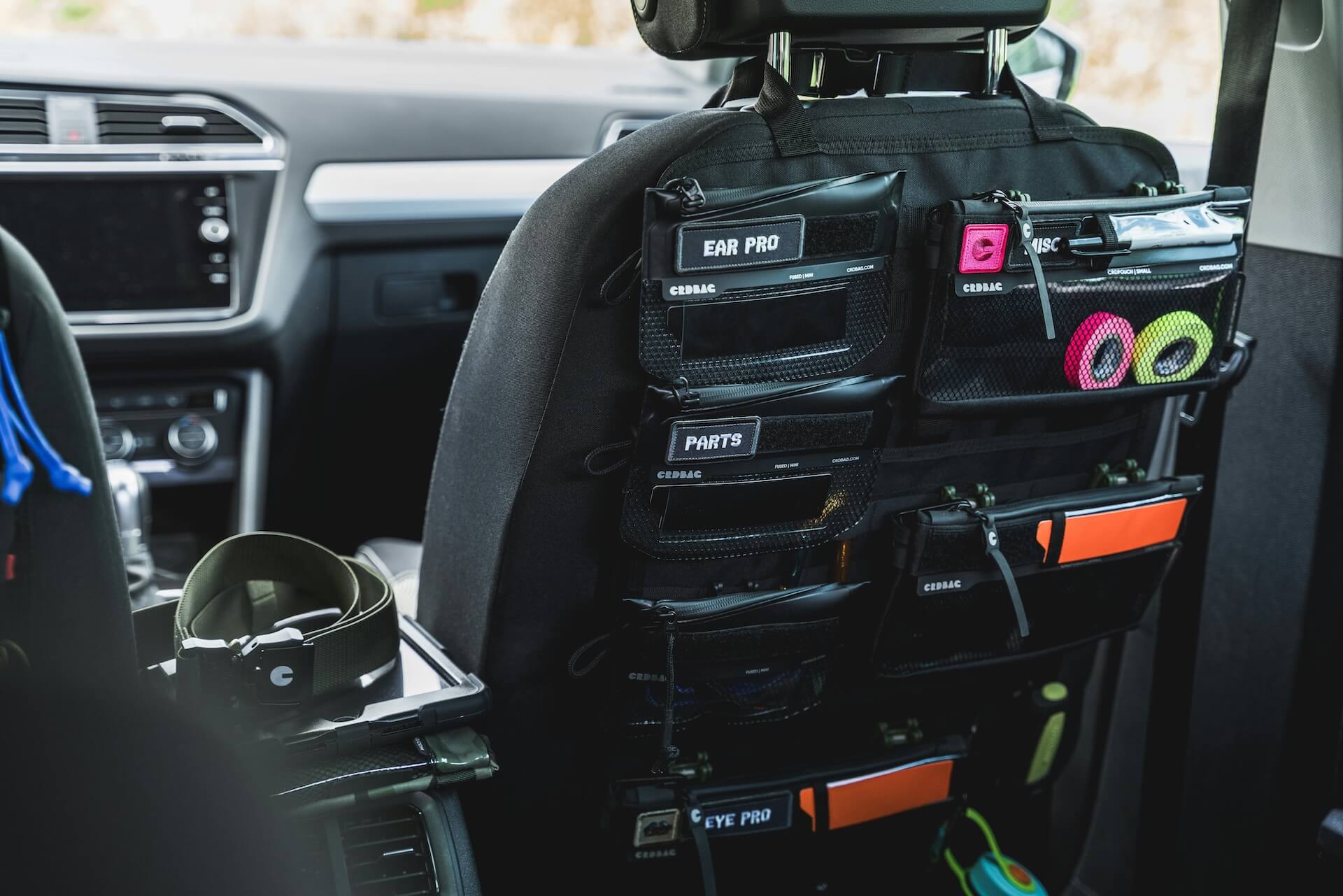
The best tool kit in the world is useless if it is buried under a pile of groceries or camping gear during an emergency. Dedicate a specific, easily accessible spot for your electrical kit, such as a side-trunk pocket or a secure under-seat compartment. Using a high-visibility, labeled bag makes it much easier to find the kit in low-light conditions.
Regularly check the kit every six months, particularly before the start of winter or a long summer road trip. Ensure that batteries in flashlights are still good and that no moisture has seeped into the connector storage. Keeping the kit organized with small, clear labels on the bags can reduce stress significantly when the pressure is on.
Treat this kit as a long-term household investment. By maintaining it like you would your home appliances, you ensure that it remains a reliable partner for years of worry-free driving.
Equipping a car with a tailored electrical kit is a straightforward task that provides profound peace of mind for any driver. By selecting tools that match your level of comfort and prioritizing high-quality consumables, you turn potential roadside disasters into minor, manageable inconveniences. A proactive approach to vehicle maintenance is the hallmark of a smart homeowner, ensuring safety and readiness regardless of the journey ahead.


