7 Best Laundry Room Decor Ideas for a Cozy Home
Make your laundry room cozy! Discover 7 decor ideas to transform your space. Shop now for your dream laundry room.
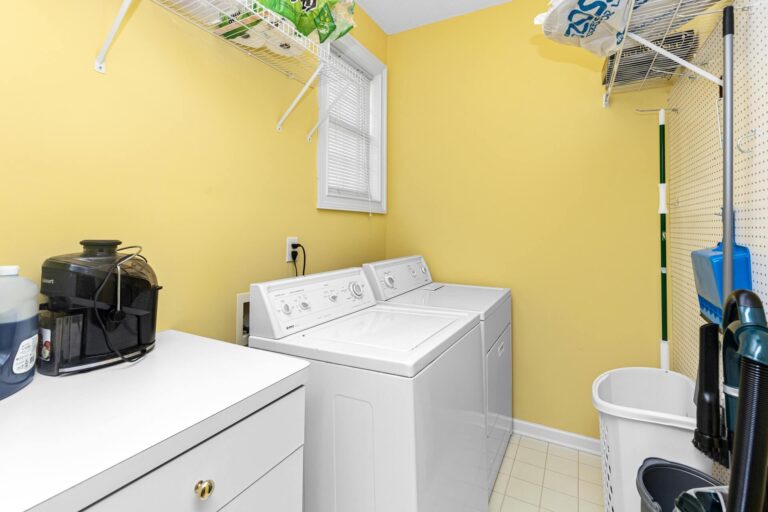
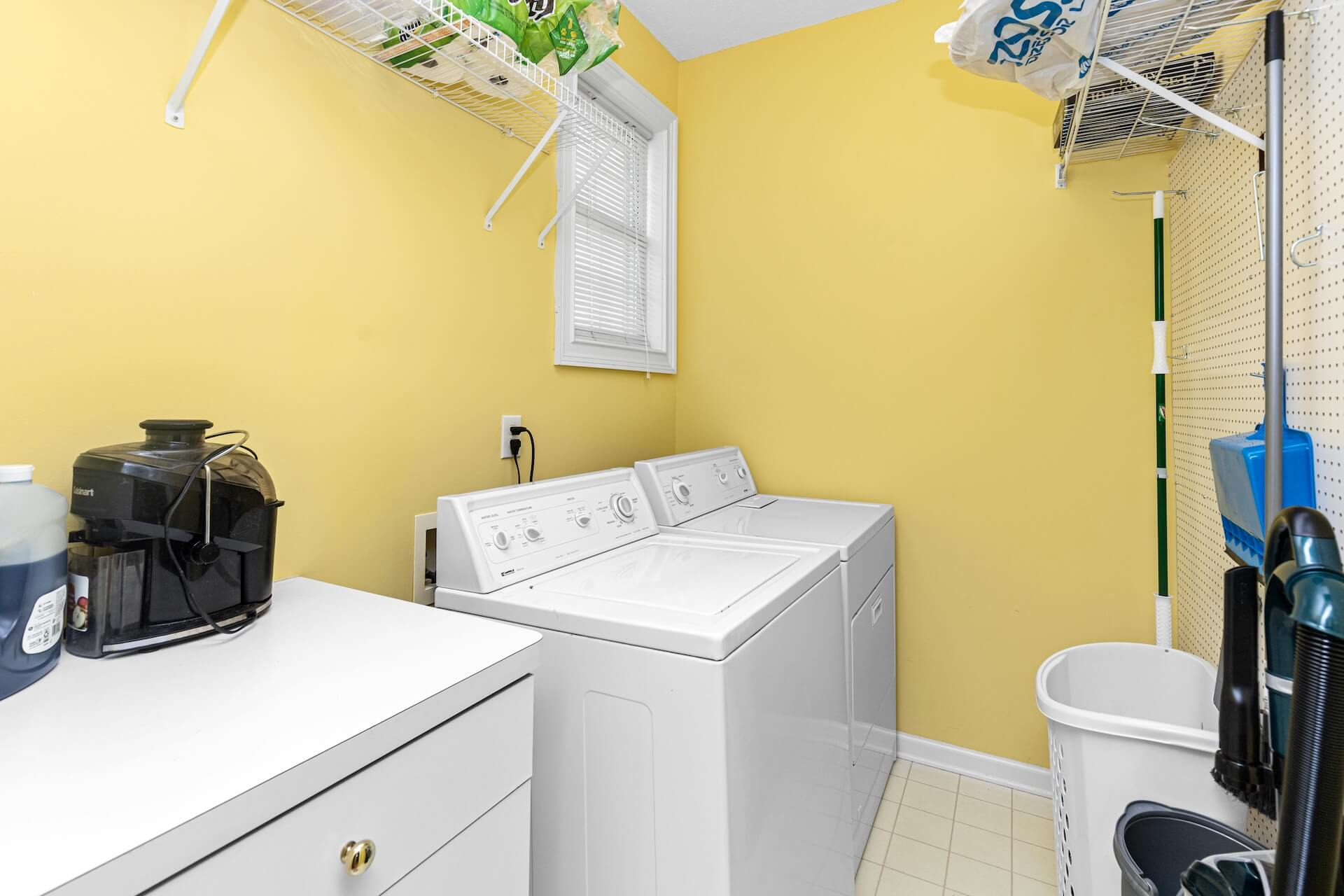
Laundry rooms are often the most neglected corners of the home, serving as purely functional transition zones between the outdoors and the living area. Transforming these utilitarian spaces into cozy, organized retreats makes a repetitive daily chore feel significantly less like a burden. By selecting items that balance durability with warmth, any laundry area can become a more inviting part of the home.
Household Essentials Seagrass Baskets: Natural Charm
When piles of mismatched socks and stray cleaning rags begin to clutter folding surfaces, seagrass baskets offer an instant solution for visual peace. These baskets introduce a soft, organic texture that contrasts beautifully against the cold, hard surfaces of washers and dryers. They are especially effective in rooms with white or sterile-looking cabinetry, providing a necessary injection of warmth.
Consider the weight of the items being stored before selecting a size. Larger baskets work best for towels or blankets, while smaller versions are ideal for dryer sheets or sewing kits. For families with children, ensure the basket weave is tight to prevent small toys from snagging or slipping through the gaps.
- For small spaces: Choose rectangular baskets that maximize shelf depth without overhanging the edge.
- For durability: Look for baskets with a metal wire frame underneath the seagrass to ensure they maintain their shape under heavy use.
Ultimately, these baskets provide a budget-friendly way to hide clutter while adding a rustic, lived-in feel. If the room is particularly humid, ensure the baskets are stored in a ventilated area to prevent any risk of mold growth within the fibers.
Primitives by Kathy Box Sign: A Touch of Humor
The constant cycle of washing, drying, and folding can feel endless, making a lighthearted sign a welcome addition to the laundry room wall. Primitives by Kathy signs are known for their distressed, vintage aesthetic, which hides dust well and adds character to otherwise plain walls. A touch of humor can transform a frustrating chore into a moment of levity during a long day.
When placing these signs, consider the eye level of the person doing the laundry most often. Small, shelf-sitting signs are safer for those who prefer not to use wall anchors, while larger hanging signs can act as a focal point above the machines. Avoid placing them too close to the detergent dispenser, as drips and sprays can damage the wood finish over time.
- For renters: Use adhesive strips to mount signs if the landlord forbids drilling holes into walls.
- For style matching: Select neutral colors like cream, black, or grey to ensure the humor doesn’t clash with existing decor.
These signs are an affordable way to personalize a room without committing to a full renovation. Just remember that paper-faced wood signs should stay clear of direct steam or heavy water spray from utility sinks.
nuLOOM Hand Woven Jute Rug: For Warmth Underfoot
Standing for long periods on cold tile or concrete floors is a primary cause of fatigue during marathon laundry days. A hand-woven jute rug adds a layer of comfort and natural grounding to the room, making it feel less like a mechanical workspace and more like a finished area of the house. Jute is a hardy material that handles high-traffic areas quite well.
Because jute is a natural fiber, it is absorbent, which means it should not be placed directly in front of a leaking machine or a wet utility sink. Use a rug pad underneath to prevent slipping on slick laundry room floors, especially in homes with active pets or small children. Regular vacuuming or a quick shake outside keeps these rugs looking fresh despite the lint that naturally accumulates in a laundry room.
- Small laundry closets: Use a runner length to elongate the space visually.
- Maintenance: Spot clean with a dry cloth; avoid getting the fibers completely saturated, as this can lead to fiber breakdown.
A jute rug is an investment in physical comfort that significantly changes the mood of a sterile room. It offers a sophisticated, earthy texture that anchors the space and invites the user to linger.
Anchor Hocking Glass Jars: For Tidy Detergent
Bulk detergent containers are often unsightly and occupy far too much precious counter space. Decanting powders or laundry beads into clear Anchor Hocking glass jars creates a uniform, clean look that makes checking supply levels effortless. These jars allow for easy scooping and prevent the messy spills that often accompany heavy, oversized plastic jugs.
When selecting jars, prioritize a wide-mouth opening to accommodate standard laundry scoops. Ensure the lids provide a decent seal to keep powder fresh and moisture-free, as humidity is the enemy of laundry supplies. For households with young children, place these jars on higher shelves or use plastic alternatives if there is a risk of breakage.
- For tight spaces: Use square-shaped jars to maximize the surface area of narrow shelves.
- Labeling: Add a simple vinyl or chalkboard label to identify contents clearly for all family members.
Glass jars bring a sense of order to the chaos of chemical supplies. They turn a messy utility shelf into a curated display, proving that functional items can also be beautiful.
Pennsylvania Woodworks Rack: For Air-Drying Delicates
Delicate sweaters, activewear, and special fabrics often require air-drying, which can clutter up chairs and doorknobs throughout the house. A wall-mounted wooden drying rack saves floor space while providing a dedicated station for these items. A classic wood design adds a touch of traditional charm that feels more premium and permanent than a flimsy, plastic accordion-style rack.
When installing, ensure the rack is mounted into wall studs, as the weight of wet clothes can pull standard drywall anchors loose over time. Choose a location with good airflow, ideally near a window or an exhaust fan, to help items dry efficiently. A wooden rack is not only durable but also ages gracefully, gaining character with every use.
- For laundry closets: Use a vertical wall-mounted rack that folds flat when not in use.
- Capacity check: Review the arm length to ensure it accommodates the widest garments typically laundered.
A high-quality drying rack solves the “where do I put this” problem once and for all. It is a practical tool that helps extend the life of clothing by reducing reliance on the high heat of a dryer.
Globe Electric Harrow Light: A Warm, Welcoming Glow
Fluorescent lighting in laundry rooms often casts harsh shadows, making it difficult to spot stains or properly sort fabrics. Replacing standard lighting with a fixture like the Globe Electric Harrow light introduces a warmer, more residential feel. Good lighting is essential for precision tasks like pre-treating clothing or matching socks, and the right aesthetic choice can elevate the entire room’s design.
Look for fixtures that use standard bulbs, as these allow for easier adjustments to light temperature and intensity. Choose a brightness that illuminates the entire work area without causing glare on shiny washer surfaces. If the room lacks natural light, a semi-flush mount fixture can distribute light more effectively across corners.
- Safety note: Consult a professional if rewiring is required, or opt for simple fixture swaps if comfortable with basic home electrical safety.
- Bulb selection: Opt for “warm white” bulbs to create a cozy, non-clinical environment.
Good lighting is the difference between a room that feels like a dungeon and one that feels like a productive workspace. It improves both the functionality of the chore and the overall comfort level of the home.
Good to Goodies Magnetic Lint Bin: A Tidy Essential
The back of the dryer is a notorious magnet for lint, dust, and stray debris, often creating a fire hazard if neglected. A magnetic lint bin sticks directly to the side of the machine, providing an immediate, accessible home for dryer lint. Keeping this bin handy encourages the habit of cleaning the lint trap every single time, which is essential for dryer efficiency.
Because these bins are magnetic, they can be easily moved or removed during deep cleans of the laundry room. Ensure the magnet strength is sufficient to hold the weight of the bin when it is full. This simple, inexpensive addition keeps the area around the dryer free of unsightly debris and promotes a safer environment.
- For small spaces: A slim, vertical bin takes up almost no footprint.
- Cleaning: Choose a material that is easy to wipe down, as lint can stick to textured surfaces.
A lint bin is a minor investment that pays off in reduced clutter and improved safety. It is the perfect example of how small, intentional additions make the daily laundry routine more manageable.
Choosing Decor That Withstands Humidity and Use
Laundry rooms are unique environments characterized by high humidity, fluctuating temperatures, and frequent vibrations. When choosing decor, prioritize materials that do not absorb moisture, such as treated woods, glass, metal, and heavy-duty plastics. Porous items like fabric wall hangings or unfinished wood may eventually succumb to mold or warping in the humid air generated by dryers.
Also, consider the vibration factor when placing items on shelving near machines. Heavy-duty non-slip shelf liners can prevent glass jars or metal decor from vibrating off surfaces during the spin cycle. Always test the security of wall-mounted items to ensure they can withstand the subtle, constant shaking of a nearby washer.
- Check the seals: Avoid decor with complex, hidden nooks that are impossible to wipe clean of dust.
- Material choice: Stainless steel or powder-coated metal is preferable to raw iron in rooms with steam.
Practicality should always take precedence over fragile aesthetics. A laundry room that is easy to wipe down and maintain will stay looking “cozy” much longer than one filled with delicate, high-maintenance items.
Making Small Laundry Spaces Feel Cozy, Not Cramped
In small laundry rooms or closets, visual clutter is the primary enemy of comfort. Utilize vertical wall space for drying racks and shelves, keeping the floor area as clear as possible. A clean, monochromatic paint scheme can make a tiny room feel larger, allowing the decor pieces to stand out as intentional accents rather than just more “stuff.”
Strategic lighting can also make a cramped room feel more expansive. By brightening the corners and ensuring there are no dark pockets, the room feels integrated into the home rather than tucked away. If space is at a premium, select multifunctional decor, such as a sturdy, decorative basket that can double as a step stool or a surface for folding.
- Mirror trick: A small mirror on the wall can help bounce light around, making the area feel deeper.
- Color palette: Keep decor within a tight color family to prevent the space from feeling chaotic.
Remember that “cozy” does not mean “full.” In a small laundry space, one or two well-chosen, high-quality pieces are far more effective than an abundance of small items that can make the room look messy.
How to Pick the Right Decor for Your Laundry Routine
The best way to choose decor is to observe the current pain points in the daily laundry cycle. If clothing is constantly left on the floor, prioritize a basket or rack rather than wall art. If the biggest frustration is searching for supplies, focus on storage solutions like jars or bins that make the inventory visible and accessible.
Consider the household size and the frequency of laundry when evaluating durability needs. A household doing multiple loads a day requires heavy-duty storage and high-durability decor that can withstand constant physical contact. For smaller households, decor can lean more toward aesthetic choices, as the room will experience less wear and tear.
- The Routine Test: Before buying, ask if the item serves a purpose or solves a problem.
- Investment vs. Utility: Spend more on items that perform a function, like shelves and bins, and save on purely decorative elements like signs.
By aligning decor choices with the specific demands of the household, the laundry room can become a space that actually supports the workflow. Good design serves the person using the room, turning a necessary duty into a more organized and enjoyable process.
These selections prove that functional utility and cozy design are not mutually exclusive. When every item in a laundry room is chosen for both its purpose and its contribution to the atmosphere, the space transforms into a reliable partner in home management.