
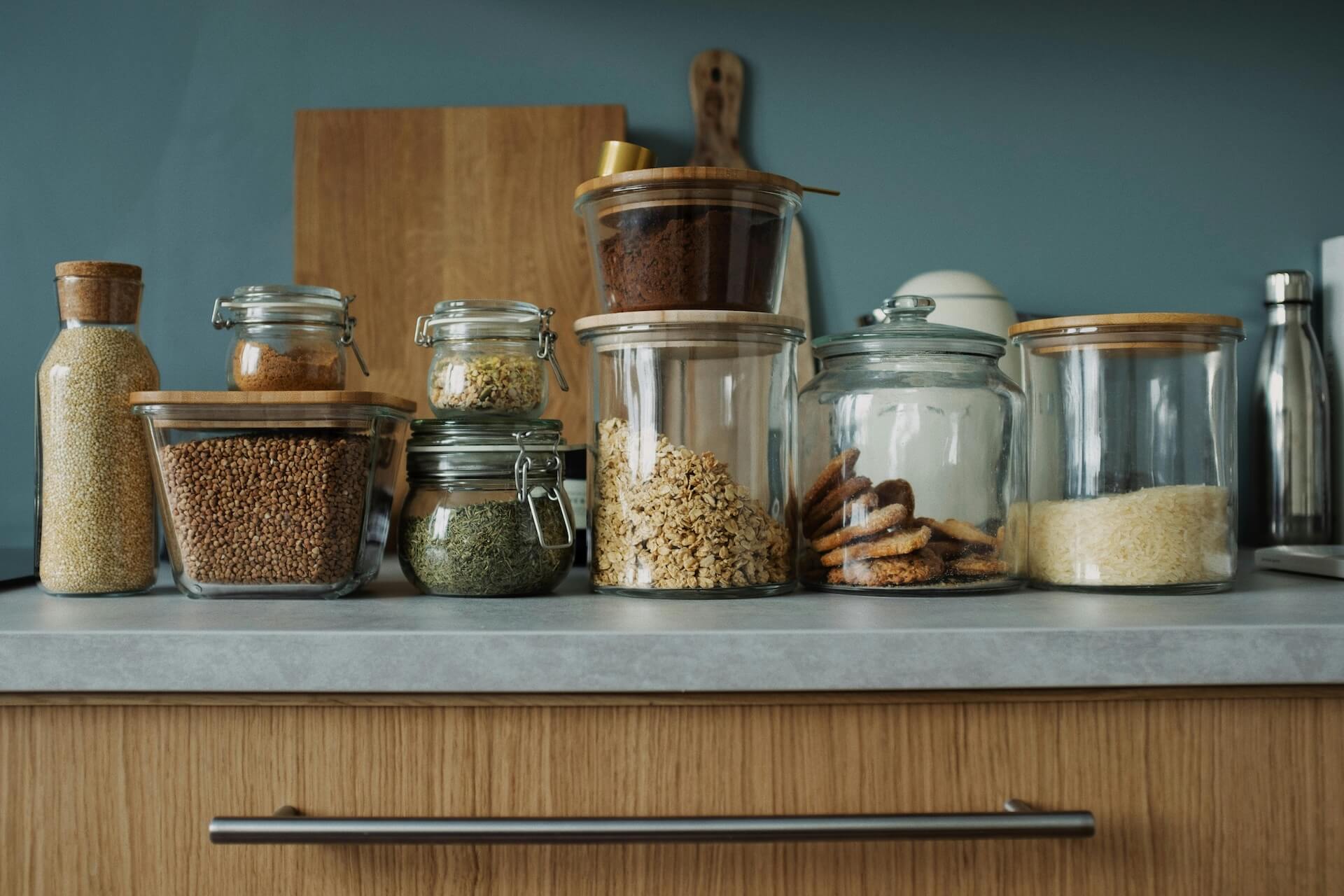
7 Printed Storage Tags For Pantry Inventory To Organize
Organize your pantry with 7 printable storage tags for inventory. Simplify your kitchen—download yours now!
A pantry filled with mismatched bags and unidentified boxes often leads to wasted groceries and duplicate purchases. Investing in a reliable labeling system transforms a chaotic cupboard into a functional space that saves both time and money during busy weeknights. Choosing the right tags ensures that every member of the household can find ingredients easily without overturning shelves.
Talented Kitchen Script Labels: Best Overall Set
For homeowners seeking a cohesive, high-end look without the custom price tag, pre-printed script labels offer a balanced solution. These sets come with a wide variety of common pantry staples, covering everything from flour and sugar to specialty baking items. The script font adds a touch of elegance, making glass jars look curated rather than cluttered.
These labels typically feature a water-resistant finish, which is essential for busy kitchens where spills or humidity near the stove are common. Because they come in a standardized set, they are perfect for homeowners who want an immediate transformation of their pantry aesthetic.
However, these sets are less flexible when it comes to unique bulk items or obscure ingredients. If your pantry relies heavily on specialty grains or homemade mixes, verify the list of included labels before purchasing to ensure the set meets your specific inventory needs.
Avery Dissolvable Labels: For Reusable Jars
When you frequently rotate your pantry stock or repurpose jars for different ingredients, permanent stickers quickly become a nuisance. Dissolvable labels solve this by washing away completely in warm water without leaving behind a sticky, difficult-to-clean residue. This is an ideal feature for homeowners who batch-cook or store leftovers in glass containers.
These labels provide a clean slate every time you run a load of dishes. They prevent the common annoyance of “label layering,” where old adhesive builds up on the side of a jar over months of use.
Keep in mind that these labels are not suitable for damp storage areas or containers that require frequent wiping down, as moisture will trigger the dissolving process. Use these strictly for dry goods storage where the environment remains stable and controlled.
mDesign Clip-On Labels: For Baskets and Bins
Wire or plastic storage bins are excellent for maximizing vertical space, but they are notoriously difficult to label with traditional stickers. Clip-on labels provide a sturdy, physical tag that hooks directly onto the rim of a bin or basket. This allows you to identify contents like snack packs, tea boxes, or pasta bags without damaging the container finish.
These labels are particularly useful in deep pantry shelves or high cabinets where you cannot easily see inside the bins. By attaching the label to the front, you create an “at-a-glance” system that helps you inventory supplies from a distance.
Since these clips are designed for specific rim thicknesses, confirm the dimensions of your existing baskets before investing in a set. They offer a durable, long-term solution that stands up to frequent movement and heavy lifting.
Brother P-touch TZe Tape: For Custom Durability
When your pantry inventory is highly specific or you manage a large family household, generic pre-printed tags may not suffice. A label maker allows for total control over the text, font size, and length of the label, ensuring that every container—regardless of its size—has a perfectly fitted tag. The TZe laminated tape is exceptionally durable, resisting fading, water, and heat.
This option is the gold standard for long-term organization in homes where durability takes precedence over trendy aesthetics. Because the labels are laminated, you can scrub the front of a container without worrying about the text peeling or smearing.
The primary trade-off is the initial cost of the label maker unit. However, the ongoing cost per label remains very low, making it a cost-effective choice for those who prefer a standardized, utilitarian look across their entire home.
Mainstays Chalkboard Labels: Best Budget Pick
For the thrifty homeowner or those with children who enjoy helping in the kitchen, chalkboard labels offer a versatile and affordable entry point. These adhesive stickers can be written on with chalk or liquid chalk markers and wiped clean with a damp cloth. They provide a rustic look that fits well in farmhouse-style or country kitchens.
These labels excel in households where the inventory changes regularly. If a jar of rice becomes a jar of dried beans, you simply erase and rewrite the name. They are also incredibly easy to replace if they become damaged or lose their stickiness over time.
Be aware that liquid chalk markers can be smudge-prone if the labels are touched frequently. Ensure the ink is fully dry before placing the jars back on the shelf to maintain a tidy appearance.
Paper & Pear Modern Labels: For a Clean Look
If your priority is a minimalist, professional aesthetic, curated label sets provide a sophisticated finish. These labels usually feature clean sans-serif typography that remains readable at a glance, which is a major advantage for busy families who need to identify items quickly during meal prep. Many of these sets offer waterproof options, ensuring they look new even after years of use.
These labels often come in bundles that include both common household items and blank labels for custom categorization. This mix-and-match approach is perfect for those who want a unified look but still have a few “wildcard” items in their pantry.
While these sets are more expensive than basic stickers, they offer high durability and excellent visual clarity. Invest in these if you have already committed to a uniform set of glass canisters or storage bins and want the labels to match the quality of the containers.
Avery Printable Tags: A DIY Custom Solution
For homeowners who have specific organizational needs—such as labeling by expiration date, dietary restrictions, or meal-prep categories—printable labels are the ultimate tool. By using standard printer templates, you can create tags that include extra details like “Best By” dates or specific dietary warnings (e.g., “Gluten-Free”). This is a practical approach for managing complex inventories.
This method requires a bit more upfront effort in formatting and printing, but it offers unparalleled customization. You can choose different shapes, sizes, and even color-coding systems to signify different categories like baking, breakfast, or spices.
Ensure you use labels designed for kitchen use, such as water-resistant or oil-resistant printable paper. Without the proper material, standard printer ink will bleed or peel under the typical humidity and temperature changes of a kitchen pantry.
What to Write on Your Tags Besides the Obvious
The most effective labels do more than just identify the ingredient inside the jar. Adding the purchase date or expiration date is essential for maintaining an inventory that reduces food waste. For households with allergies, including a small mark or color code for “gluten-free” or “nut-free” keeps everyone safe.
Consider adding a “refill-at” line or a simple measurement for common recipes, such as “3 cups = 1 bag of rice.” This quick reference saves you from having to check the original packaging or look up conversion charts while cooking.
Finally, for dry bulk items that require specific preparation, write the water-to-grain ratio directly on the label. This turns a simple storage jar into an instructional tool that streamlines your daily cooking routine.
Adhesive vs. Clip-On: Which Tag Is Right for You?
Adhesive labels work best on smooth surfaces like glass canisters, hard plastic bins, or metal tins. They offer a permanent, low-profile look that keeps the pantry streamlined, but they can be difficult to remove if you swap out your storage containers later. They are the best choice for a “fixed” pantry system where you intend to keep your jars and containers for many years.
Clip-on labels, by contrast, are meant for systems that are in constant flux. They are ideal for wire racks, fabric bins, or baskets that are frequently pulled down from high shelves. They offer the flexibility to move items around without needing to peel, stick, or scrape.
Assess how often you reorganize your pantry before deciding. If you are a “set it and forget it” type of person, adhesive labels are superior. If you enjoy seasonal rearranging or frequent shopping trips to local bulk stores, choose clip-on tags for their inherent versatility.
A Simple System to Keep Your Pantry List Updated
A system is only as good as the maintenance behind it. Keep a small whiteboard or a sticky note on the inside of the pantry door to track items as they run low. Transfer this information to your shopping app or a paper list once a week, ideally before your major grocery run.
Integrate your labeling system into your cleaning routine. Every time you wipe down your pantry shelves, take five minutes to inspect the labels and check the condition of the containers. Replace any faded or peeling tags immediately to prevent the system from falling into disrepair.
Consistency is the secret to a well-organized home, not perfection. Keep the system simple enough that other household members will actually use it. If the labeling process is too cumbersome, it will eventually be abandoned, regardless of how organized it looks on day one.
A well-labeled pantry is not just about aesthetics, but about reclaiming control over your household inventory. By selecting labels that align with your family’s habits, you can eliminate grocery redundancies and simplify daily meal preparation. Choose a system that balances your budget with your need for durability, and remember that the best storage setup is the one you can realistically maintain month after month.


