

7 Best Hdmi Cables For Vintage Receiver Compatibility
Upgrade your vintage receiver with these 7 top-rated HDMI cables. Discover the best options to ensure seamless connectivity and superior signal quality today.
Integrating a vintage receiver into a modern home theater setup often feels like bridging two different worlds of technology. Finding the right HDMI cable is the unsung hero of this process, ensuring your older gear communicates seamlessly with your newer displays. The following guide breaks down the best options to keep your audio and video signals clean, stable, and reliable.
AudioQuest Pearl: Reliable Entry-Level Choice
If you are setting up a modest living room system where you don’t want to worry about signal dropouts, the AudioQuest Pearl is a fantastic starting point. It uses solid long-grain copper conductors, which help minimize internal interference that often plagues cheaper, thin-gauge cables.
For homeowners with a vintage receiver tucked into a cabinet, the build quality here is a step up from generic box-store cords. It feels substantial without being overly stiff, making it easier to route behind narrow media consoles.
While it lacks the flashy specs of high-end gaming cables, it provides a consistent, high-fidelity signal for standard HD content. It is a "set it and forget it" choice for those who value reliability over cutting-edge features.
AmazonBasics High-Speed: Best Budget Option
Experience stunning visuals with this 6-foot Ultra High Speed HDMI 2.1 cable, supporting 8K@60Hz and 4K@120Hz. Enjoy seamless plug-and-play connectivity for gaming consoles, TVs, and monitors with its durable, corrosion-resistant design.
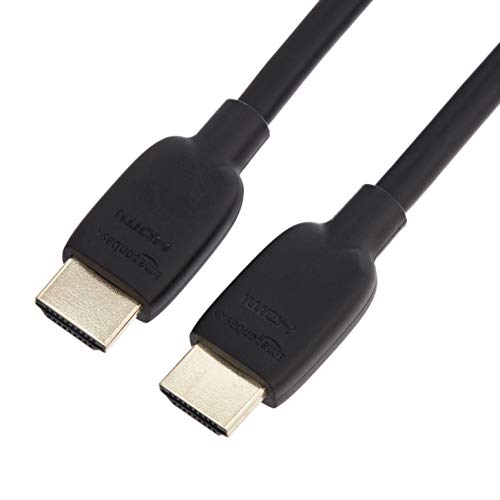

We have all been there—you just bought a second-hand receiver for the guest room and realized you are short one cable. The AmazonBasics High-Speed cable is the ultimate "utility player" for these moments, offering incredible value for the price.
These cables are surprisingly durable, featuring a thick PVC jacket that holds up well even if you are constantly moving gear around. They are perfect for apartments or small spaces where you might be reorganizing your layout every few months.
Do not let the low price point fool you into thinking they are fragile. For basic 1080p or 4K setups, these cables carry the signal just as well as brands costing three times as much.
Monoprice Certified Premium: Top Value Pick

When you want the perfect balance between professional-grade performance and a reasonable price, Monoprice is the gold standard. Their "Certified Premium" line ensures that the cable has been tested to meet specific bandwidth requirements, which is vital for older receivers that might struggle with signal "handshakes."
If you live in a larger home with a dedicated media room, you likely have longer cable runs between your devices. These cables offer excellent shielding, which prevents the buzzing or static that can occur when HDMI cables run parallel to power cords.

They are the go-to choice for homeowners who want peace of mind without overspending. You get a robust, high-quality connection that won’t fail you during movie night.
Zeskit Maya 8K: Best for Modern Signal Needs
If your vintage receiver is part of a hybrid system that also includes a modern gaming console or a high-end streaming box, you need a cable that can handle the latest standards. The Zeskit Maya 8K is designed for high bandwidth, ensuring that your signal remains crisp even when pushing high frame rates.
This cable is particularly useful if you are using a newer display with an older receiver that acts as an HDMI switch. It helps compensate for the limitations of older hardware by ensuring the signal entering the receiver is as clean as possible.
While it is an investment, it is effectively "future-proof." You won’t need to replace this cable even if you upgrade your TV or receiver again in a few years.
Rocketfish 4K Ultra HD: Great Build Quality

Rocketfish cables are often found in big-box electronics stores, and for good reason—they are built to survive the wear and tear of a busy household. If you have kids or pets that frequently bump into your media center, the reinforced connectors on these cables are a lifesaver.
The build quality is noticeably more rugged than standard cables, providing a snug, secure fit into the HDMI ports of your receiver. This is crucial for vintage gear, as older ports can sometimes become loose or worn over time.
They are an excellent middle-ground choice for those who want a premium feel without the boutique price tag. You are paying for the physical durability of the shielding and the connector heads.
Belkin Ultra HD: Best for Tight Connections
Space is often at a premium in home entertainment setups, especially if your receiver is shoved into a tight bookshelf or a cramped TV stand. Belkin’s Ultra HD cables are designed with a smaller, more flexible profile that makes them ideal for tight corners.
If you have ever struggled to plug in a cable because the wall behind your receiver is too close, you will appreciate the flexibility here. These cables bend easily without losing their structural integrity or internal signal quality.
They are a smart choice for renters who might be dealing with non-ideal room layouts. You get a high-quality, reliable connection that doesn’t force you to pull your furniture further away from the wall.
Mediabridge High-Speed: Best Long-Run Cable

When your receiver is on one side of the room and your display is on the other, you need a cable that won’t lose signal strength over distance. Mediabridge is well-regarded for their longer cable runs, which maintain high performance without needing an expensive active booster.
Their cables feature heavy-duty shielding that protects against electromagnetic interference, which is common in houses with complex wiring. This prevents the dreaded "sparkling" effect or intermittent blackouts on your screen.
If you are running cables through walls or under rugs, the durability of the Mediabridge jacket is a major plus. It is a practical, heavy-duty solution for complex room configurations.
Understanding HDMI Versions and Compatibility
Navigating HDMI versions can be confusing, but for vintage receivers, the most important thing to remember is backward compatibility. Most HDMI cables will work with older receivers, but they cannot magically upgrade the receiver’s internal processing capabilities.
- HDMI 1.4: Sufficient for 1080p and basic surround sound formats.
- HDMI 2.0: Necessary for 4K video and HDR content.
- HDMI 2.1: Overkill for most vintage gear but great for future-proofing.
Always check your receiver’s manual to see what version of HDMI it supports. Using a newer, higher-spec cable with an older receiver is perfectly safe and often helps with signal stability.
Troubleshooting Handshake Issues With Receivers
Handshake issues—where the TV and receiver fail to recognize each other—are common when mixing old and new tech. The first step is always to power cycle the entire system: turn everything off, unplug the power, wait a minute, and plug it back in.
If the problem persists, try swapping the cables or using a different HDMI port on the back of the receiver. Older receivers often have one "main" HDMI port that is more compatible with modern HDCP (copy protection) standards.
If you are still having trouble, check your display’s input settings. Sometimes, setting the TV to a "legacy" or "compatible" HDMI mode can resolve the communication error between the two devices.
Tips for Proper Cable Management and Safety
Proper cable management isn’t just about aesthetics; it is about protecting your hardware and preventing accidents. Avoid bending your HDMI cables at sharp 90-degree angles, as this can damage the delicate internal wires over time.
Use Velcro ties instead of plastic zip ties to bundle your cables together. Velcro is easier to adjust if you need to swap out a component, and it won’t crush the cable jacket like a tight zip tie can.
Finally, ensure your cables have enough "slack" to prevent tension on the receiver’s ports. A cable pulling downward on a port can eventually cause the solder joints inside the vintage receiver to crack, leading to permanent connection failure.
Finding the right HDMI cable for your vintage receiver is about balancing the needs of your current setup with the realities of your living space. Whether you choose a budget-friendly option or a high-end cable, the goal is a stable connection that lets you enjoy your media without constant technical headaches. Keep your connections secure, your cables organized, and your vintage gear will continue to perform for years to come.
