

7 Best Tandem Circuit Breakers for Limited Panel Space
Maximize your electrical panel’s capacity with these 7 top-rated tandem circuit breakers, offering reliable space-saving solutions for crowded installations.
Many homeowners eventually face the frustration of a full electrical panel when trying to add a new appliance or lighting circuit. Tandem circuit breakers are the clever, space-saving solution that allows you to fit two circuits into the slot usually reserved for one. This guide will help you navigate the best options to safely expand your home’s electrical capacity without needing a costly panel upgrade.
Eaton BR Series: Best for General Compatibility
If you live in a home built in the last few decades, there is a very high probability that your panel is designed for the Eaton BR series. These breakers are the "gold standard" for general compatibility because they fit a wide range of load centers found in suburban houses and townhomes.
The primary advantage here is the ease of sourcing; you can find these at almost any hardware store, which is a lifesaver when you are in the middle of a weekend project. They are reasonably priced and offer a straightforward installation process that doesn’t require specialized tools.
However, keep in mind that compatibility is not universal across all panel brands. Always double-check your panel’s label to ensure it is specifically rated for "Class CTL" or BR-type tandem breakers. If your panel isn’t listed, forcing a fit can lead to loose connections and potential fire hazards.
Siemens Q1515: Top Choice for Reliability


When you are powering sensitive home office equipment or high-end kitchen appliances, you want a breaker that won’t trip unnecessarily. The Siemens Q1515 is widely respected by electricians for its consistent performance and high-quality internal contact points.
These breakers are built to handle the daily grind of a busy household, resisting the vibrations and heat cycles that can cause cheaper breakers to fail over time. For a family with multiple teenagers or a home-based business, this reliability provides peace of mind that your power will remain stable.
While they may carry a slightly higher price tag than generic alternatives, the investment is worth it for the longevity. You are paying for a design that prioritizes safety and long-term durability over the lowest possible manufacturing cost.
Square D Homeline: Best for Schneider Panels
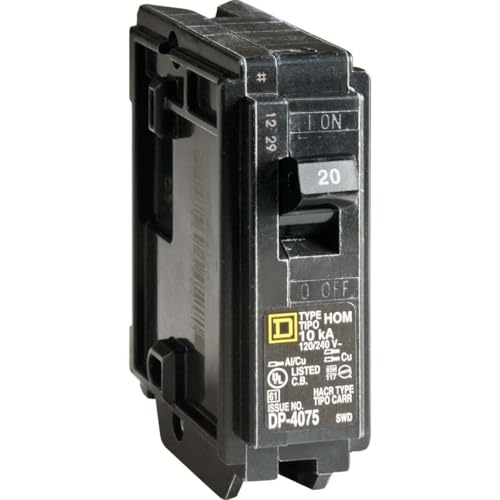
If your home uses a Square D Homeline load center, you should almost exclusively stick with Homeline tandem breakers. These are engineered specifically for the busbar configuration of Schneider Electric panels, ensuring a snug, secure fit that prevents arcing.
One thing I appreciate about the Homeline series is the visual clarity of the handle design. It makes it very easy to identify which circuit is which, even in a dimly lit basement or utility closet where visibility is often poor.
Using brand-specific breakers is a best practice for maintaining your panel’s warranty and safety certification. While some universal options exist, sticking to the manufacturer’s recommended line is the smartest way to avoid future electrical headaches.
GE THQP Series: Best for Slim Panel Designs

Not every home has a standard-sized panel; some older or compact homes use "slimline" panels that require specific, half-inch wide breakers. The GE THQP series is a standout solution for these tight spaces where every millimeter of room counts.
These breakers are physically smaller than standard tandem units, making them the only viable choice for certain GE panel models. They are perfect for apartments or older homes where wall space for electrical equipment is severely limited.
Because of their unique footprint, you cannot swap these with standard-sized breakers. If you have a slim-style panel, the THQP is your go-to, but make sure you verify your panel’s model number carefully before purchasing.
Murray MP-T Series: Ideal for Older Systems

Many older homes have legacy panels that are no longer in production, making it difficult to find compatible parts. The Murray MP-T series is often the solution for these "orphan" panels, as they were widely used in residential construction for many years.
Even though Murray is now part of the Siemens family, these specific tandem breakers remain available for homeowners who need to maintain their existing infrastructure. They are a cost-effective way to keep an older electrical system functional without performing a total panel replacement.
Before buying, check if your panel is marked as "Murray" or if the current breakers have the distinctive MP branding. It is a great way to extend the life of an older home’s electrical system while keeping your budget intact.
Connecticut Electric: Best for Retrofit Jobs

Sometimes, you simply cannot find a breaker that fits your specific, discontinued panel. Connecticut Electric specializes in "classified" breakers, which are designed to act as replacements for panels that are no longer supported by their original manufacturers.
These are a lifesaver for homeowners who have been told by contractors that their panel is "obsolete" and must be replaced. While replacing a panel is ideal for safety, a Connecticut Electric breaker can be a practical, safe bridge until you are ready for a major electrical renovation.
Always look for the UL classification label on the packaging to ensure it is approved for your specific panel. This is a specialized product, so expect to pay a bit more for the convenience of keeping an old panel running safely.
Eaton CL Series: Best for Classified Safety

The Eaton CL series is unique because it is "classified" to be used in various competitive panels, not just Eaton-branded ones. This makes them a versatile option for homeowners who have a mix-and-match electrical system or a panel from a brand that is hard to find.
These breakers undergo rigorous testing to ensure they meet the safety standards of the original panel manufacturer. It is a great middle-ground option when you need a reliable, safe tandem breaker but are struggling to find the exact brand-match for your panel.
While they offer great flexibility, they should still be treated as a secondary choice to the original manufacturer’s recommended breakers. Use them when you have no other choice, and always verify the compatibility list on the back of the packaging.
How to Check Your Panel for Tandem Compatibility
- Locate the Label: Open the panel door and look for a sticker on the inside cover. This label lists all compatible breaker types and identifies if the panel is "CTL" rated.
- Check for Notches: Look at the busbar inside the panel. Some panels have physical notches that only accept tandem breakers, while others do not allow them at all.
- Count Your Slots: If your panel is already full and there is no physical room for a tandem, you cannot force one in.
- Consult a Pro: If you see any signs of rust, scorching, or if the panel is exceptionally old (pre-1970s), call a licensed electrician before adding any new load.
Safety Tips for Installing New Circuit Breakers
Installing a breaker involves working with live electricity, so turn off the main breaker before touching anything inside the panel. Even with the main off, the lugs connected to the utility line remain live, so treat the entire panel as energized.
Always wear rubber-soled shoes and ensure your hands are dry. Use insulated tools, and if you are ever unsure about the fit or the wiring, stop immediately and hire a professional. It is never worth the risk of an electrical fire or injury to save a few dollars on labor.
Finally, ensure the breaker snaps firmly into place and doesn’t feel loose. A loose breaker can cause arcing, which melts the busbar and can lead to a catastrophic electrical failure.
Understanding Amp Ratings and Breaker Loading
When adding a tandem breaker, you are essentially doubling the load on that specific section of your panel’s busbar. It is vital to ensure that your total electrical load does not exceed the capacity of your main service panel.
- 15 Amp vs. 20 Amp: Only use 15-amp breakers for standard lighting and general-purpose outlets. Use 20-amp breakers only for circuits with thicker, 12-gauge wire, typically found in kitchens or laundry rooms.
- Avoid Overloading: Adding a tandem breaker for a high-draw appliance like a space heater or air conditioner can lead to frequent tripping.
- Balanced Load: Try to distribute your heavy-draw circuits evenly across both sides of the panel to keep the system balanced.
Choosing the right tandem breaker is all about matching the hardware to your specific panel’s requirements rather than chasing the cheapest price. By identifying your panel type and prioritizing safety-certified products, you can successfully add the circuits you need for your daily routine. Remember that if you ever feel uncomfortable working inside your panel, a licensed electrician is the best investment you can make for your home’s safety.
