
7 Best Cable Raceways for Baseboards to Hide Wires
Tired of messy cords? Our guide reviews the 7 best cable raceways for baseboards to hide wires, helping you achieve a clean, organized, and safe home interior.
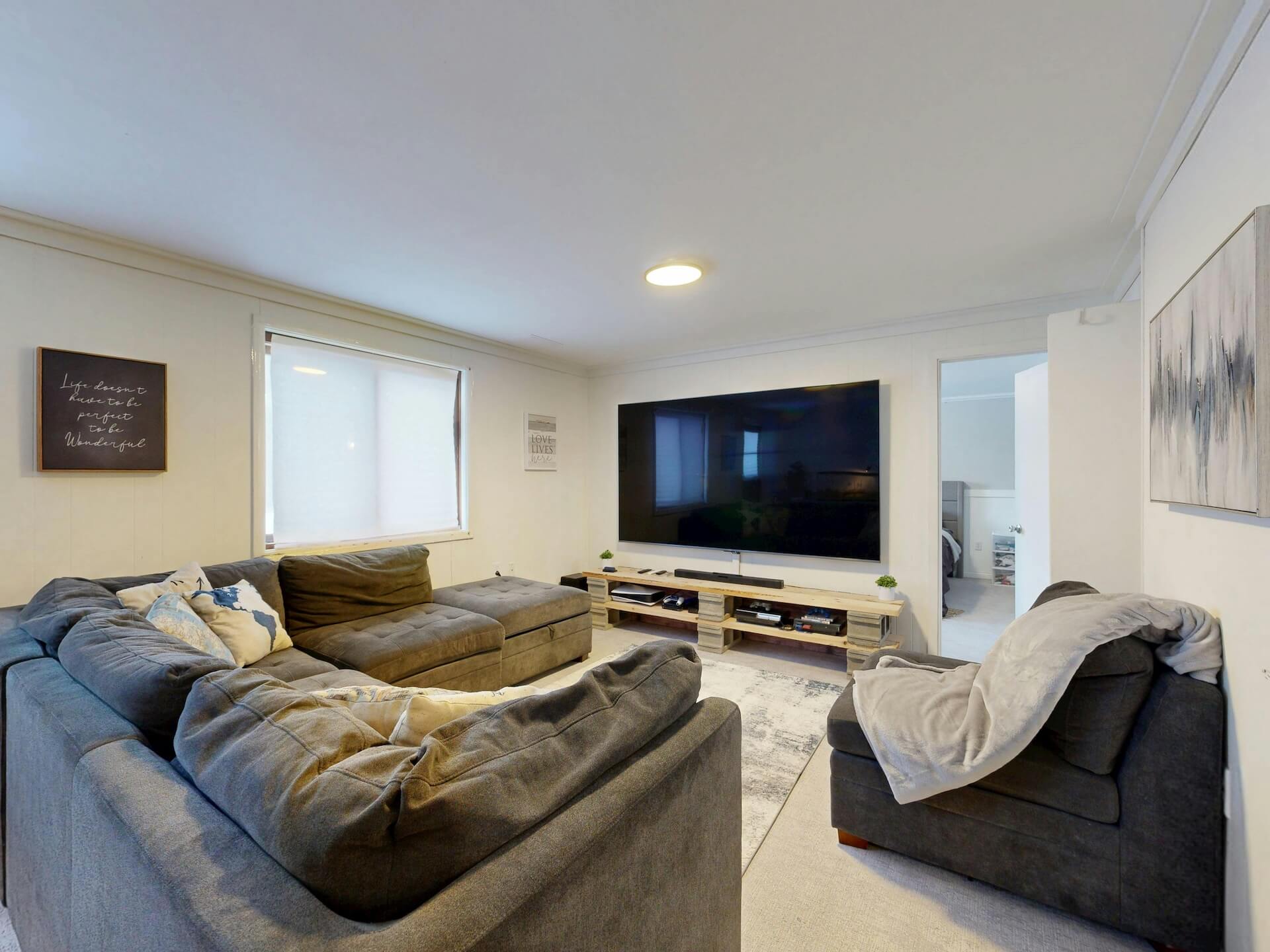
We have all stared at the unsightly tangle of power cords snaking along our baseboards, turning a clean living room into a visual hazard. Managing these cables isn’t just about aesthetics; it is about creating a safer, more organized environment for your family and pets. With the right raceway, you can tuck those wires away in minutes, transforming the look of your home without the need for expensive electrical work.
Delamu Cable Concealer: Best Overall for Baseboards


If you have a busy household with kids or pets, you know that loose cables are an invitation for trouble. The Delamu system is a favorite because it balances a sleek, low-profile design with a robust locking mechanism that stays shut even when bumped by a vacuum cleaner.
It is remarkably versatile, fitting into most standard trim heights without looking like an industrial addition. The kit typically comes with everything you need, including pre-applied adhesive tape that is strong enough to hold firm but won’t peel the paint off your walls if removed carefully.
The bottom line here is consistency. While it isn’t the cheapest option on the market, the ease of installation and the professional-looking finish make it the most reliable choice for the average homeowner.
One-Cord Channel: Best for Minimalist Baseboards
Sometimes you only have one or two pesky lamp cords that refuse to stay put. If you live in a smaller apartment where every inch of visual space matters, the One-Cord channel is your go-to solution for keeping things subtle.
Because this channel is extremely slim, it practically disappears against the baseboard. It is perfect for those who want to hide a single wire behind a desk or along a hallway without creating a bulky protrusion that catches the eye.
Just remember that this is designed for capacity, not volume; you won’t be fitting a surge protector’s worth of cables in here. It is the ideal choice for a clean, "barely there" look in tight living quarters.
Yecaye J-Channel: Best for Easy Wire Access

Do you find yourself constantly swapping out chargers, gaming consoles, or smart home devices? The J-channel design is a game-changer because it doesn’t require you to snap a lid off every time you need to add or remove a cable.
The "J" shape allows you to simply drop the wire into the open top of the track. It is a fantastic choice for home offices or media centers where your cable setup is in a state of constant flux.
While it lacks the total enclosure of a fully locking raceway, the convenience factor is unmatched. If you value accessibility over total concealment, this is the most practical design for your daily routine.
SimpleCord Raceway: Best for Paintable Surfaces
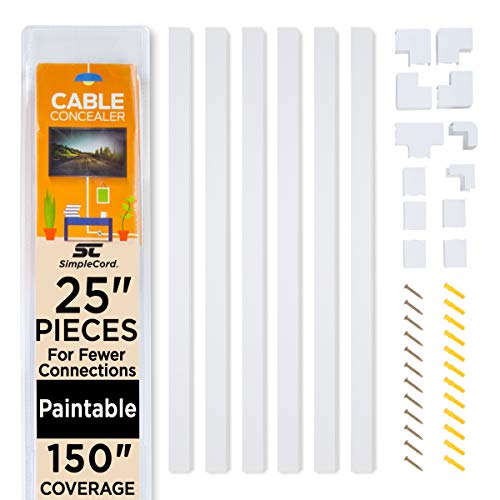
If your baseboards are a specific shade of eggshell, white, or navy, standard plastic raceways can look like a jarring white stripe against your decor. SimpleCord is specifically engineered to be painted, allowing it to blend perfectly into your room’s color scheme.
The material takes paint exceptionally well, meaning you won’t have to deal with peeling or uneven coats. It is an excellent way to make your cable management feel like a permanent, custom architectural feature rather than an afterthought.
Be sure to use a high-quality primer if your paint is particularly glossy. This small extra step ensures a professional look that hides your cords in plain sight.
Wiremold Cordmate: Best for Heavy-Duty Durability
For high-traffic areas like entryways or busy kitchens, you need something that can take a bit of a beating. Wiremold has been the industry standard for years, and their Cordmate line is built to withstand more accidental kicks and bumps than the average plastic channel.
This is a thicker, more rigid material that feels substantial once installed. It is the best choice if you are worried about durability or if you are running cables along a path where foot traffic is frequent.
The trade-off is that it is slightly more industrial in appearance. However, if you prioritize longevity and protection for your cords, this is the most secure investment you can make.
D-Line Cable Raceway: Best for Corner Transitions

One of the biggest headaches in cable management is navigating the awkward 90-degree corners where walls meet. D-Line specializes in a comprehensive system of connectors and elbows that make these transitions look seamless.
Rather than trying to cut your raceways at precise angles—which often leaves gaps—you can simply snap on a corner piece. It makes the entire project look like it was installed by a professional contractor.
It is a slightly more expensive system due to the specialized connectors, but it saves you hours of frustration. For anyone who struggles with DIY precision, this is the most forgiving and polished option.
Stageek Cable Raceway: Best for Adhesive Strength

We have all dealt with cheap adhesive strips that fail after a week, leaving your raceways sagging against the floor. Stageek is widely praised for using high-quality, heavy-duty adhesive backing that actually stays put on baseboards and drywall.
This is especially helpful if you are dealing with textured walls where standard tape might struggle to get a grip. It provides peace of mind that once you tuck those wires away, they are going to stay hidden.
Just a word of caution: because the adhesive is so strong, be careful when applying it to delicate wallpaper or fresh paint. Always clean the surface with rubbing alcohol first to ensure the best possible bond.

How to Measure Your Baseboard for Perfect Fit
Before you buy, grab a tape measure and map out your path. Don’t just measure the length of the wall; account for the space taken up by corners and any obstacles like door frames or floor vents.
Always buy about 10% more than you think you need. It is much better to have an extra segment for a mistake than to have to stop your project halfway through because you ran out of track.
Consider the thickness of the cables you are hiding as well. A thin lamp cord is easy to hide, but a thick HDMI or power brick cable will require a wider channel, so check the internal dimensions before finalizing your purchase.
Tips for Painting Raceways to Match Your Trim
Painting your raceways is the secret to making them virtually invisible. Start by lightly sanding the surface of the plastic with fine-grit sandpaper; this helps the paint adhere much better than it would on a slick surface.
Use a spray primer designed for plastics to ensure an even base. Once the primer is dry, apply two thin coats of your wall or trim paint rather than one thick coat to prevent drips and streaks.
Let the pieces dry completely before you snap them onto your walls. This prevents the paint from sticking to the cover or peeling when you try to assemble the system.
Safe Installation Methods for Rental Properties
If you are a renter, your main goal is to avoid losing your security deposit. Always test a small, inconspicuous spot with the adhesive tape to see if it pulls off the paint or wallpaper before committing to the whole room.
If the adhesive is too strong, consider using a layer of painter’s tape on the wall first, then applying the raceway to the tape. It is a simple "buffer" trick that protects your walls while still holding your cables securely.
When it comes time to move, use a hair dryer to gently heat the adhesive. This softens the glue and allows you to peel the raceway off cleanly without damaging the surface underneath.
Managing your cables is one of the quickest ways to reclaim the visual peace of your home. Whether you prioritize easy access, paintability, or sheer durability, there is a solution here that fits your specific needs. Take your time with the measurements, follow the prep steps, and enjoy the satisfaction of a clutter-free space.


