7 Best White Extension Cords To Match Baseboards
Find the best white extension cords to blend seamlessly with your baseboards. Our guide highlights seven durable, low-profile options for a tidy home look.
We have all dealt with the frustration of a lamp or charger that just won’t reach the nearest outlet, leaving a cord stretching awkwardly across the floor. Finding the right white extension cord allows you to blend your power needs seamlessly into your baseboards for a cleaner, safer look. This guide will help you navigate the best options to keep your home functional without sacrificing your aesthetic.
Amazon Basics 15-Foot Cord for Low-Profile Needs
Extend power up to 15 feet with this versatile indoor extension cord. Its 3-prong design is compatible with most electronics and tools, offering a reliable 13-amp, 125V connection.


If you live in an older home where outlets seem to be placed in the most inconvenient corners, a longer cord is often a necessity rather than a luxury. The Amazon Basics 15-foot cord is a reliable workhorse for those who need to bridge the gap between a far-off wall outlet and a desk or lamp.
Because it comes in a neutral white, it sits unobtrusively against standard white trim. It is an excellent choice for budget-conscious renters who need a quick, no-fuss solution that doesn’t break the bank.
Keep in mind that while the length is generous, you should avoid daisy-chaining multiple cords together. If you find yourself needing more than 15 feet, it is safer to move your furniture or install a new outlet rather than creating a tangled web of cords.
GE 6-Foot Extension Cord for Tight Baseboard Gaps
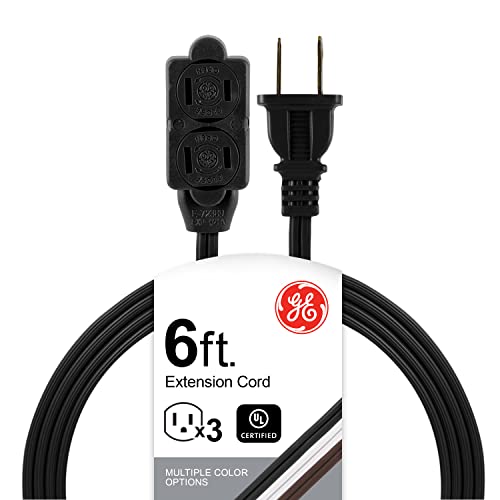
Sometimes, you only need a few extra feet to reach behind a sofa or a bookshelf. The GE 6-foot cord is perfect for these smaller, localized needs where a long, bulky cable would just create unnecessary clutter.
The real advantage here is the low-profile design, which allows it to hug the baseboard closely. This is particularly helpful in apartments with tight floor plans where every inch of clearance matters.
Because it is shorter, it is much easier to manage and keep tidy behind furniture. It is a solid, inexpensive choice for anyone looking to keep their cord runs short and manageable.
Philips 8-Foot White Cord for Living Room Layouts

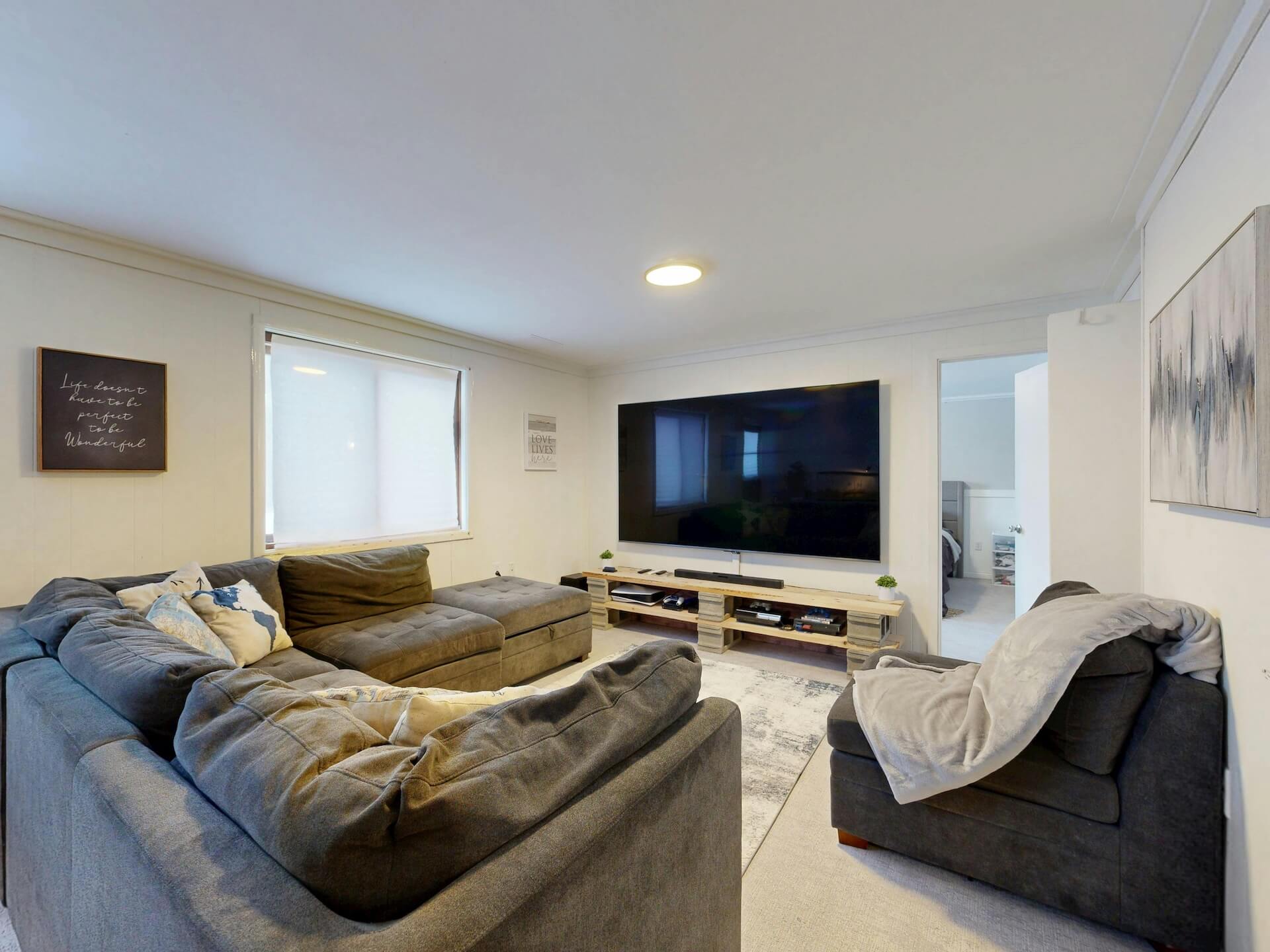
Living rooms are notorious for having awkward outlet placements, often hidden behind heavy entertainment centers or bulky sectionals. An 8-foot cord is often the "Goldilocks" length for these spaces, providing enough reach to route power along the wall without having excess slack to trip over.
Philips cords are known for their consistent manufacturing quality, which provides peace of mind when you are tucking them behind expensive electronics. The white coating is durable enough to withstand being moved around during occasional furniture rearrangements.
If you are setting up a living room, use this cord to run power along the baseboard to a floor lamp. It’s a simple way to keep your floor clear and your room looking polished.
Electite 10-Foot Flat Plug Cord for Hidden Spaces

The biggest challenge with most extension cords is the plug itself, which often sticks out too far, preventing you from pushing furniture flush against the wall. The Electite 10-foot cord features a flat plug design that sits nearly flush against the outlet.
This is a game-changer for anyone trying to maximize space in a small bedroom or office. You can finally push your desk or dresser all the way to the wall without crimping the cord or damaging the outlet.
The 10-foot length offers a nice balance of reach and manageability. It is a slightly more specialized product, but for the sake of a clean, flush furniture arrangement, it is well worth the investment.
Cable Matters 3-Pack Cord for Multiple Room Uses
 Quad Shield Coaxial Cable, Short Coax Cord for TV, Digital Router, Satellite Receiver and More, Black](https://m.media-amazon.com/images/I/41xCJE+jUZL._SL500_.jpg)
If you are moving into a new place or doing a total home refresh, buying cords individually can get expensive and tedious. A 3-pack from Cable Matters is the most cost-effective way to tackle multiple rooms at once.
These cords are standard-duty, making them ideal for lamps, clocks, and phone chargers. By having a few on hand, you can standardize the look of your home’s power runs.
Having extras in your utility drawer is a smart move for any homeowner. You never know when you might need to add a seasonal light or a temporary workstation, and having a matching set keeps things looking uniform.
Woods 2-Foot Short Cord for Minimalist Aesthetics

Not every power issue requires a long reach; sometimes you just need to move a plug an inch or two to make room for a larger adapter. The Woods 2-foot cord is essentially a "power extender" that clears up space on your power strip or wall outlet.
This is perfect for the minimalist who hates seeing cords draped across the room. It keeps your setup tight, clean, and entirely contained within the footprint of your furniture.
Don’t underestimate the utility of a short cord. It is often the missing piece in a complex home office setup where you need to accommodate multiple bulky power bricks.
Coleman Cable 15-Foot Cord for Heavy Duty Utility
If you are running power to a space heater or a heavy-duty vacuum, you need more than just a standard thin cord. The Coleman Cable 15-foot cord is built with a thicker gauge, meaning it can handle a higher electrical load without overheating.
While it is bulkier and harder to hide than the other options, it provides the necessary safety margin for high-draw appliances. Always check the wattage requirements of your device before choosing a cord.
This is a functional choice for garages, basements, or utility rooms where safety and performance outweigh the need for a low-profile look. It’s a reliable tool that prioritizes durability over aesthetics.
How to Measure Your Space for the Ideal Cord Length
Before you buy, grab a piece of string and run it from your outlet to your device, following the path along the baseboard. Don’t pull it tight; leave a little slack to account for corners and furniture placement.
- For short runs: Add 1–2 feet to your measurement to account for the plug and the device connection.
- For long runs: Add 2–3 feet to ensure you aren’t putting tension on the cord, which can pull it out of the wall.
- The "avoid the middle" rule: Always run cords along the baseboard, never across the middle of a room where they can be tripped over.
Measuring correctly saves you from buying a cord that is too short to be useful or so long that it becomes a tangled mess. A little planning goes a long way in keeping your home safe and organized.
Safety Tips for Concealing Cords Near Baseboards
While tucking cords behind baseboards makes a room look better, you must do it safely. Never staple a cord to the wall or floor, as this can pierce the insulation and create a serious fire or shock hazard.
Instead, use adhesive cord clips or raceways designed specifically for baseboard mounting. These hold the cord securely in place without damaging the internal wiring or the structure of your home.
Also, be mindful of heat. If a cord feels warm to the touch, it is either overloaded or damaged. Disconnect it immediately and reassess your power needs.
Proper Cord Maintenance to Prevent Fire Hazards
Even the best extension cord needs a little TLC to last for years. Regularly inspect your cords for fraying, exposed wires, or soft spots in the insulation that indicate internal damage.
If you have pets that chew, consider using a protective cord cover or a cord management box. These provide a physical barrier that keeps both your pets and your power supply safe.
Finally, never coil a cord tightly while it is in use, as this can trap heat. If you have excess length, use a loose "figure-eight" or "over-under" loop to keep it tidy without creating a fire risk.
Keeping your home organized is all about managing the small details that often go unnoticed. By choosing the right white extension cord and installing it safely, you can eliminate clutter and enjoy a more functional living space. Remember that the best cord is the one that fits your specific needs while keeping safety as your top priority.