
7 Best Hdmi Cables With Reinforced Strain Relief
Protect your gear with these 7 top-rated HDMI cables featuring reinforced strain relief. Discover durable, high-speed picks that prevent breakage and signal loss.
We have all experienced the frustration of a flickering screen or a loose connection right in the middle of a movie night. Investing in an HDMI cable with reinforced strain relief is a simple, cost-effective way to protect your entertainment setup from the wear and tear of daily use. This guide will help you navigate the market to find a durable cable that fits your home’s unique layout and budget.
PowerBear 4K HDMI: Best for Durability and Value
If your living room setup involves a TV mounted on a swivel bracket, you know how much stress that puts on the ports. The PowerBear 4K HDMI cable is built with a heavy-duty braided nylon jacket that provides excellent protection against the constant bending and twisting of an adjustable mount.
It strikes a perfect balance between affordability and build quality, making it a favorite for families with kids or pets who might accidentally tug on cables. You aren’t paying for unnecessary bells and whistles, just a solid, long-lasting connection that stays snug in the port.
The bottom line here is value; you get a robust cable that won’t fray after a few months of shifting your furniture around. It is a reliable workhorse for any household looking to minimize replacements.
Zeskit Maya 8K: Top Choice for High-Speed Gaming
Gamers often push their hardware to the limit, and the Zeskit Maya 8K is designed to keep up with that intensity. Because it is officially certified for 8K, it handles high-bandwidth tasks like 4K gaming at 120Hz without breaking a sweat.
The strain relief on this cable is exceptionally well-engineered, preventing the internal wiring from snapping during the frantic movement of a gaming session. If you have a dedicated gaming corner or a console setup that requires frequent plugging and unplugging, this is the cable for you.
While it sits at a slightly higher price point, the peace of mind it offers is worth it for high-end equipment. It ensures that your visual fidelity remains crystal clear without signal dropouts caused by loose connections.
UGREEN Braided HDMI: Best for Tight Cable Routing


Living in an apartment often means dealing with limited space where your TV stand is pushed right up against the wall. The UGREEN Braided HDMI cable features a slim, flexible design that makes it much easier to route through tight cable management channels or behind narrow furniture.
The reinforced strain relief is compact rather than bulky, allowing you to tuck the cable into tight corners without the connector protruding too far. This is a game-changer if your wall-mounted TV has side-facing ports that are difficult to access.
Because it is so maneuverable, it is also ideal for home offices where you are constantly connecting and disconnecting a laptop to a monitor. It is a practical, no-fuss solution for anyone dealing with cramped living quarters.
Cable Matters 3-Pack: Reliable Multi-Room Setup
![[ETL Listed] Cable Matters 3-Pack Grounded Outlet Switch with On Off, Plug Switch On Off, Single Outlet Adapter, Black](https://m.media-amazon.com/images/I/41y4d11gaqL._SL500_.jpg)
If you are outfitting multiple rooms in your home, buying individual cables can quickly become a budget headache. The Cable Matters 3-Pack offers a consistent, reliable standard across your entire house, from the primary living room TV to the bedroom console.
Having matching cables makes troubleshooting much easier; if a signal issue arises, you can quickly swap cables between rooms to rule out hardware failures. The reinforced ends are durable enough for guest rooms or kids’ areas where cables might be handled more roughly.
This is the smartest choice for homeowners who prefer buying in bulk to ensure uniformity. It simplifies your inventory of spare parts and ensures you always have a working backup on hand.
Amazon Basics Braided: Best Budget-Friendly Pick
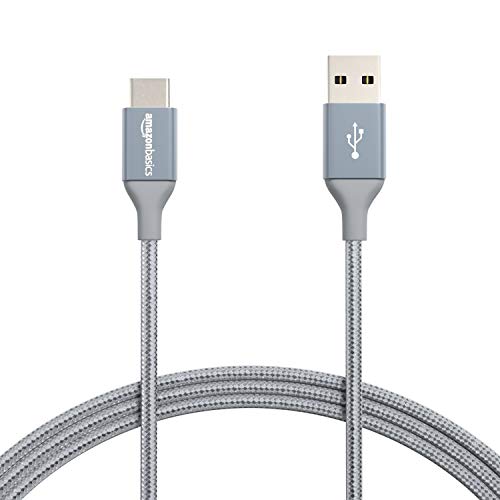
Sometimes you just need a functional cable that gets the job done without any extra cost. The Amazon Basics Braided HDMI cable is a straightforward option that provides decent shielding and reinforced strain relief at a price that is hard to beat.
While it may not have the premium finish of more expensive brands, the braided exterior offers a significant upgrade over standard plastic-coated cables. It resists kinking and tangling, which is a common problem in households with high-traffic entertainment centers.
If you are on a tight budget or just need a simple cable for a secondary display, this is your best bet. It proves that you don’t need to overspend to get a reliable, long-term connection for your home.
Monoprice Certified Premium: Best for Home Theater
For those who have invested thousands in a dedicated home theater system, the quality of your signal path matters immensely. Monoprice has long been the gold standard for enthusiasts who want professional-grade performance without the "audiophile" markup.
The Certified Premium label means each cable has been tested to ensure it handles the full 18Gbps bandwidth required for high-end home cinema. The reinforced strain relief is robust and industrial-strength, designed to handle the weight of thicker, high-quality shielding.
This is the cable you choose when you want to "set it and forget it" behind a massive entertainment unit. It provides the stability required for long-distance runs and complex setups where signal integrity is non-negotiable.
Snowkids High-Speed: Best for Flexible Placement

If your setup requires cables to run along baseboards or under rugs, flexibility is just as important as durability. The Snowkids High-Speed cable is known for its supple, braided construction that allows it to lay flat and bend around corners without fighting you.
The strain relief is specifically designed to be flexible, meaning it won’t crack or stiffen over time. This makes it an excellent choice for temporary setups or rooms where you frequently rearrange the furniture to suit different occasions.
It is a great middle-ground option that feels premium to the touch but remains easy to handle. If you struggle with stiff cables that pop out of ports whenever you move your TV, this will solve that headache immediately.
Why Reinforced Strain Relief Matters for Longevity
The most common point of failure for any HDMI cable is the junction where the cable meets the connector head. Over time, the constant weight of the cable hanging from a TV port, combined with the stress of moving equipment, causes the internal wires to fray or break.
Reinforced strain relief acts as a shock absorber, distributing that pressure away from the delicate solder points inside the connector. By choosing cables with this feature, you are essentially preventing the "internal snap" that leads to screen flickering or total signal loss.
Think of it as an insurance policy for your hardware. Replacing a cable is cheap, but having a cable break off inside your TV’s HDMI port—or causing damage to the port itself—is a much more expensive repair.
Understanding HDMI 2.1 vs 2.0 for Your Devices
HDMI 2.0 is perfectly sufficient for most standard households, supporting 4K resolution at 60Hz, which is ideal for streaming movies and general television. If you have an older TV or a standard cable box, you likely do not need to worry about the higher-spec versions.

However, if you own a modern gaming console like a PS5 or Xbox Series X, you should look for "Ultra High Speed" or HDMI 2.1 cables. These support 4K at 120Hz, which provides the smooth motion and reduced input lag that gamers prioritize.

Always check the back of your TV or device to see what it supports before over-purchasing. There is no harm in using an HDMI 2.1 cable on an older device, but you won’t see a performance benefit unless the source and the display are both compatible.
How to Properly Manage and Protect HDMI Cables
The biggest mistake homeowners make is pulling on the cable itself to unplug it rather than gripping the connector head. Always handle the plug, not the cord, to ensure the strain relief does its job without being subjected to unnecessary tension.
When managing cables behind your TV, use Velcro ties rather than plastic zip ties. Zip ties can be overtightened, which crushes the internal shielding and degrades the signal quality over time; Velcro is gentle, reusable, and easy to adjust.
Finally, avoid sharp 90-degree bends when routing cables through your entertainment center. Give the cable a gentle loop to relieve stress, as a tight kink is the fastest way to compromise even the most durable, reinforced HDMI cable.
Finding the right HDMI cable doesn’t have to be a complicated technical ordeal. By focusing on reinforced strain relief and matching the cable’s speed to your specific devices, you can ensure a stable, high-quality picture for years to come. Choose the option that best fits your room’s layout and enjoy a seamless home entertainment experience.
