

7 Best Scuffle Hoes for Gravel Driveways That Last
Maintain your gravel driveway with ease. We review 7 durable scuffle hoes designed to clear weeds efficiently while withstanding rocky, rugged terrain.
Keeping a gravel driveway clear of persistent weeds is a chore that can quickly turn into a weekend-long headache if you are using the wrong tools. A high-quality scuffle hoe is the secret weapon that allows you to slice through roots beneath the surface without displacing all your decorative stone. With the right choice, you can transform a labor-intensive weeding session into a quick, satisfying walk across your property.
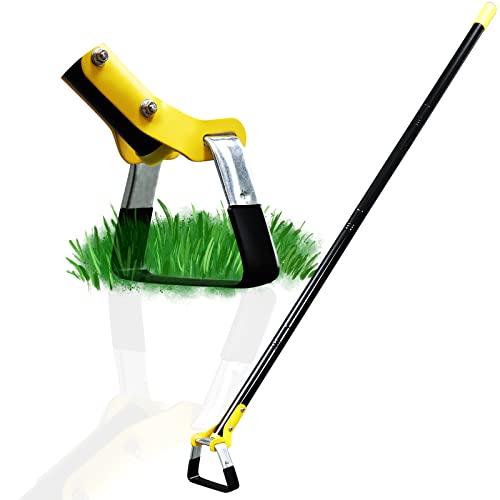

Rogue Hoe 70G: Best for Heavy-Duty Gravel Work

If your driveway has evolved into a miniature forest of stubborn taproots and woody weeds, standard garden tools simply won’t cut it. The Rogue Hoe 70G is built from tempered agricultural steel, making it feel more like a piece of heavy machinery than a simple hand tool. It is designed to bite into compacted gravel and soil with minimal effort.
Because of its weight and sharpness, this tool is ideal for homeowners with large, neglected driveways who need to clear significant surface area quickly. It is not a delicate instrument, so it handles the abrasive nature of gravel without dulling or bending.
However, keep in mind that its rugged construction makes it heavier than most aluminum-handled alternatives. If you have a smaller space or limited storage, consider whether you want to dedicate the wall space to a tool that is built for serious, heavy-duty labor.
Ames Action Hoe: Best for Versatile Garden Use

Many households prefer a tool that can pull double duty, transitioning from the driveway to the flower beds without skipping a beat. The Ames Action Hoe features a stirrup-style blade that oscillates back and forth, cutting weeds on both the push and the pull stroke. It is a fantastic choice for those who want a rhythmic, efficient way to clear paths.
This hoe is lightweight and easy to maneuver, which makes it perfect for homeowners who may struggle with heavier steel tools. Its simplicity is its greatest strength, as there are no complex parts to maintain or adjust.
The trade-off here is the blade thickness; it is designed primarily for soil and light gravel, not deep-rooted, hardened brush. If your driveway is mostly loose decorative stone, this tool will glide through it beautifully, but it may struggle against thick, established weeds in packed dirt.
CobraHead Long Handle: Best for Precision Weeding
Sometimes, you don’t need to clear the entire driveway; you just need to surgically remove weeds from tight corners or near fence lines. The CobraHead is uniquely designed with a steel "fingernail" blade that acts like an extension of your own hand. It is incredibly effective at hooking weeds out from between gravel stones without disturbing the surrounding area.
This is an excellent option for apartment dwellers or those with small urban driveways where a wide hoe would be cumbersome. The precision allows you to work around delicate landscaping or tight property boundaries with confidence.
Because it is a precision tool, it requires a bit more active movement than a traditional scuffle hoe. It is best used for maintenance rather than clearing a completely overgrown area.
DeWit Oscillating Hoe: Best for Durability

If you are tired of buying tools that rust or snap after a single season, the DeWit Oscillating Hoe offers a refreshing shift toward heirloom quality. Crafted from boron steel, this tool is forged in the Netherlands and designed to last for decades rather than years. The head is sharp enough to slice through tough weeds, and the handle is typically made from high-quality ash wood.
The durability of this tool makes it a smart investment for homeowners who plan on staying in their current house for a long time. It feels balanced in the hand, reducing the strain on your back during long sessions of driveway maintenance.
While it is a premium product, the cost is justified by the lack of replacement cycles. Just be aware that wood handles require occasional oiling to prevent drying and cracking, especially if you store them in a damp garage.
Seymour S-66: Best for Large Driveway Coverage

For those with long, sprawling gravel driveways, efficiency is the name of the game. The Seymour S-66 features a wide, robust blade that covers more ground per stroke than almost any other option on this list. It is a workhorse designed for the homeowner who wants to get the job done and get back to the rest of their weekend.
This tool is particularly effective on flat, straight gravel paths where you can maintain a steady, walking pace. Its design is straightforward and utilitarian, focusing on function over aesthetic appeal.
The main consideration here is storage; the long handle and wide head require a dedicated spot in your shed or garage. If your storage space is limited, make sure you have the vertical clearance before bringing this giant home.
Truper Tru Tough Hoe: Best for Budget Shoppers

Not every homeowner wants to spend a premium on professional-grade landscaping gear, and that is perfectly fine. The Truper Tru Tough line provides a reliable, entry-level solution that does exactly what it promises without unnecessary bells and whistles. It is a standard scuffle hoe that is more than capable of handling light to moderate gravel weeding.
This is the ideal choice for renters or those who only need to clear a small driveway area once or twice a season. It is affordable, easy to replace if lost, and performs well enough for casual use.
While it lacks the heavy-duty steel or ergonomic features of more expensive models, it is a practical tool that gets the job done. Just keep it dry after use to prevent the steel from developing surface rust, and it will serve you well for years.
Sneeboer Royal Dutch Hoe: Best Quality Pick
If you appreciate fine craftsmanship and want a tool that makes gardening feel effortless, the Sneeboer Royal Dutch Hoe is the gold standard. Hand-forged by experts, the blade is incredibly sharp and holds its edge through extensive use. It is designed to glide just below the surface, making short work of weeds while leaving your gravel undisturbed.
This is a tool for the enthusiast who values ergonomics and precision engineering. It is lightweight, perfectly balanced, and arguably the most comfortable hoe to use for extended periods.
Because of the high price point, this is an investment piece. It is best suited for homeowners who take pride in their tools and are committed to keeping them clean and stored properly when not in use.
How to Select the Right Blade for Gravel Paths
Selecting the right blade comes down to the depth of your gravel and the type of weeds you are fighting. For loose, deep gravel, a stirrup or oscillating blade is best because it clears the surface without digging deep into the base layer. If your gravel is thin and sits on packed clay, you need a sturdier, fixed-blade hoe that can handle the resistance of the soil beneath.
- Stirrup/Oscillating Blades: Best for light weeds and loose gravel; they work on both push and pull motions.
- Fixed/Solid Blades: Best for stubborn, woody weeds and hard-packed surfaces; they offer more leverage.
- Narrow/Precision Blades: Best for tight spaces, edges, and around hardscaping.
Always consider your own physical strength and height when choosing a handle length. A tool that is too short will cause unnecessary back pain, while one that is too long can feel unwieldy in tight corners.
Maintaining Your Scuffle Hoe for Longer Life
Even the most expensive hoe will eventually fail if it is left out in the rain or dragged through mud without cleaning. After every session, use a stiff brush to remove any caked-on dirt or gravel grit from the blade. This prevents the abrasive material from dulling the edge prematurely.
If your tool has a wooden handle, apply a light coat of boiled linseed oil once or twice a year to keep the wood from drying out. For steel blades, a quick wipe with a light machine oil can prevent rust, especially if you live in a humid climate.
Store your hoe hanging up rather than resting it on the floor. This prevents the handle from warping and keeps the blade away from moisture that might collect on concrete garage floors.
Tips for Effective Gravel Driveway Maintenance
The most effective way to manage a gravel driveway is to catch weeds when they are small. If you wait until they develop deep, woody taproots, you will be fighting the ground itself rather than just the weeds. Aim to "scuffle" the surface every two to three weeks during the growing season; it takes ten minutes of light work rather than two hours of heavy labor.
- Work in Dry Weather: Weeding is much easier when the gravel and soil are dry, as the weeds will wither quickly after being cut.
- Don’t Dig Too Deep: The goal is to slice the weed at the root crown, not to till your driveway. Keeping the blade shallow preserves your gravel base.
- Safety First: Always wear sturdy boots when using a sharp hoe, as it is easy to accidentally catch your own foot if you lose your rhythm.
By keeping the surface clear, you also prevent weed seeds from settling and germinating in the first place. Consistency is the true secret to a pristine driveway, not just the tool you choose.
Choosing the right scuffle hoe for your gravel driveway is about balancing your physical needs with the reality of your landscape. Whether you opt for a budget-friendly workhorse or an heirloom-quality forged tool, the key is regular, light maintenance. Pick the tool that feels right in your hands, keep it clean, and you will find that maintaining your gravel path becomes one of the most manageable chores in your household routine.
