
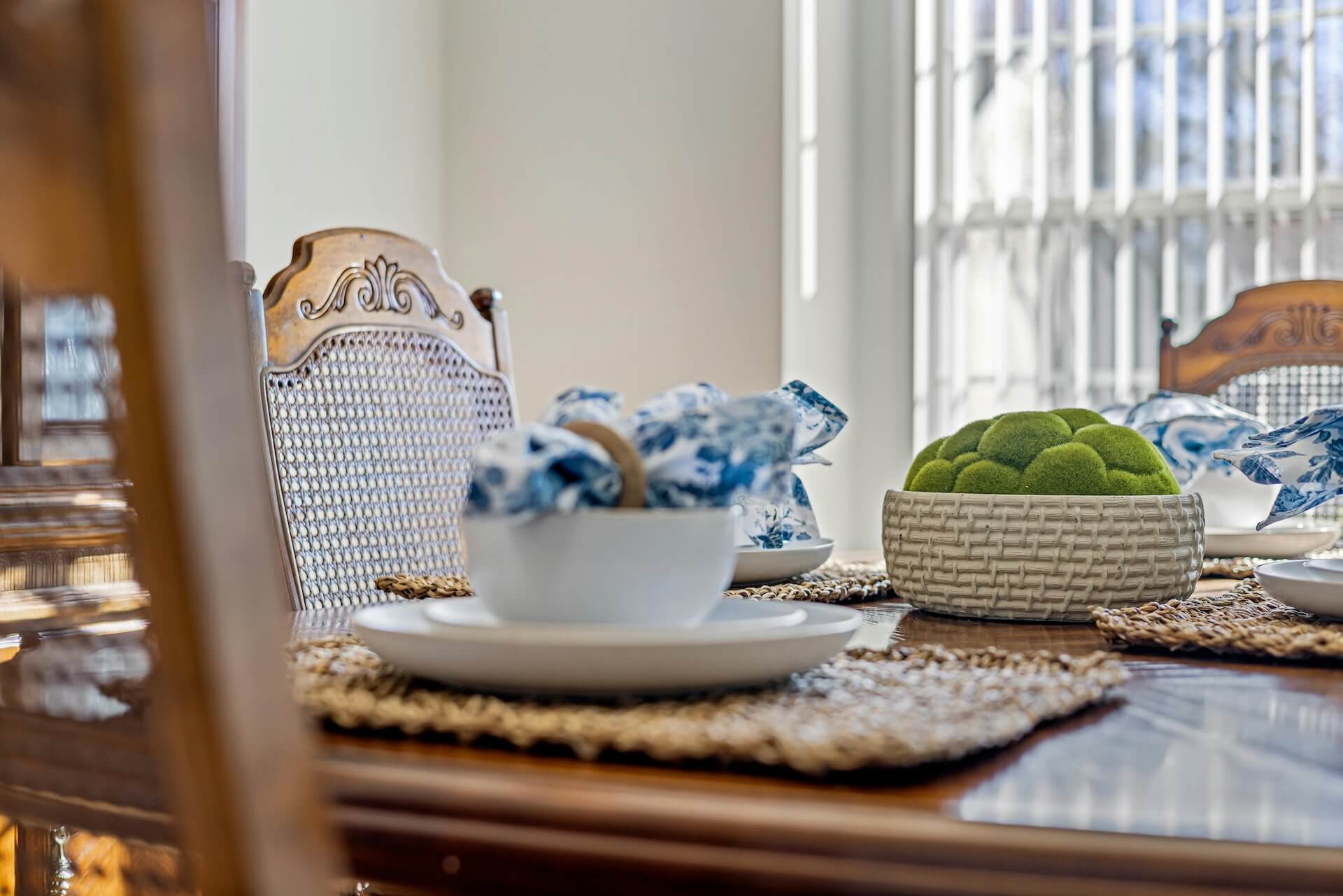
7 Best Textured Placemats for Visual Interest Elevate
Discover the 7 best textured placemats to elevate your dining table. Learn how these stylish designs add depth, visual interest, and sophistication to meals.
Setting the table is often the final step in a busy day, yet the right placemats can instantly transform a simple meal into an intentional experience. Choosing the right texture does more than hide scratches on your dining surface; it adds depth and character to your home decor without requiring a full renovation. These seven selections balance aesthetic appeal with the practical realities of daily cleanup and long-term durability.
Chilewich Pressed Vinyl: Best Modern Texture
If you live in a high-traffic apartment or a home where the dining table doubles as a workstation, you need a surface that looks sophisticated but acts like a workhorse. Chilewich has long been the gold standard for pressed vinyl because it mimics the look of intricate lace or woven fabric without the fragility of natural fibers.
The beauty of this material lies in its open-weave design, which adds a layer of visual interest that doesn’t feel heavy or cluttered. Because they are made from molded vinyl, they are remarkably thin, making them easy to slide into a drawer or a slim cabinet gap when you need to reclaim your table space.
However, keep in mind that the intricate cutouts can trap crumbs, requiring a quick shake or a wipe with a damp cloth after meals. While they carry a higher price point, their longevity in a busy household makes them a sound investment for those who prioritize a clean, modern aesthetic.
Pimpernel Woven Vinyl: Best Durable Choice
For families with young children or those who host frequent, rowdy dinner parties, durability is non-negotiable. Pimpernel woven vinyl mats offer a tight, sturdy weave that resists fraying and holds up exceptionally well under the weight of heavy stoneware plates and hot mugs.
These mats are designed to withstand the wear and tear of daily life, including accidental spills and the occasional art project. The tight construction prevents food particles from embedding themselves deep into the mat, which is a major advantage over softer, porous textiles.
While they may lack the delicate "designer" look of thinner alternatives, they excel in reliability. If you want a product that you won’t have to replace for years, this is your most practical choice.
Kimisty Braided Jute: Best Natural Aesthetic
When your dining area feels a bit sterile, introducing organic textures can soften the entire room. Braided jute mats bring a warm, earthy quality to the table that pairs beautifully with wood finishes, ceramic dinnerware, and indoor plants.
These mats are perfect for homeowners who enjoy a "slow living" vibe or a farmhouse-inspired kitchen. Because they are made from natural plant fibers, they offer a tactile experience that synthetic materials simply cannot replicate.
Be aware that jute is absorbent, so it is not the best choice for a household prone to frequent spills or messy eaters. They are best suited for adult-only settings or casual morning coffee routines where you want to start the day with a natural touch.
DII Cotton Herringbone: Best Soft Table Mat
Sometimes you want a placemat that feels like a table runner or a napkin—soft, pliable, and comfortable under your forearms. DII’s cotton herringbone mats provide a classic, tailored look that feels cozy rather than industrial.
These are an excellent choice for renters who want to add personality to a temporary space without committing to permanent decor changes. Because they are made of cotton, they are fully machine washable, which solves the stress of dealing with red wine or pasta sauce stains.
The main trade-off is maintenance; unlike vinyl or bamboo, these will require laundering and occasional ironing if you prefer a crisp, flat appearance. If you don’t mind a little extra laundry, the comfort and softness they provide are unmatched.
Creative Co-Op Rattan: Best Rustic Texture
Rattan placemats are the ultimate statement piece for a summer table or a coastal-themed dining room. The rigid, basket-weave structure adds a significant amount of height and shadow to your table setting, making even a simple bowl of soup look curated.
These mats are incredibly sturdy and can handle a surprising amount of heat from hot plates. They work best in homes where you have a bit of extra storage space, as their rigid nature means they cannot be folded or rolled away.
Because of the gaps in the weave, these are strictly for "clean" dining; they aren’t ideal if you have toddlers who tend to drop food. Think of these as your "special occasion" mats that elevate the look of a table instantly.
Benson Mills Faux Leather: Best Easy Clean
If your daily routine involves a quick cleanup before moving on to the next task, faux leather is your best friend. A simple wipe with a damp sponge is usually all it takes to remove spills, making these ideal for busy parents or professionals on the go.
The smooth, matte finish of faux leather looks expensive and professional, fitting well in both contemporary apartments and traditional homes. They provide a nice, non-slip base that keeps your plates and glassware firmly in place during a meal.
One thing to watch for is heat sensitivity; while they are durable, they aren’t always rated for extremely hot pots or pans. Always use a coaster or trivet underneath your hot serving dishes to prevent the material from warping or bubbling over time.
Lindas Essentials Bamboo: Best Heat Resistant
Bamboo mats are a classic for a reason: they are naturally heat-resistant and incredibly easy to roll up and store in a small kitchen. If you live in a space with limited cabinet room, the compact storage potential of bamboo is a massive benefit.
These mats provide a clean, zen-like aesthetic that works well with almost any style of dinnerware. They are also very affordable, making them a great option for students or those furnishing a first home on a budget.
The main downside is that they can be tricky to clean if liquid seeps into the small gaps between the bamboo slats. Stick to wiping them down with a slightly damp cloth rather than soaking them to ensure they stay in good condition for the long haul.
How to Select Placemats for Your Table Size
Before buying, measure your table and consider your chair placement. You want enough room for a placemat to sit comfortably in front of each guest without overlapping the next person’s space.
- Small Tables: Opt for round or oval mats to soften the edges of a small square table and create the illusion of more space.
- Large Tables: Rectangular mats provide a structured look that fills the space well and allows for a cohesive, uniform appearance.
- Storage Reality: If you have limited drawer space, prioritize flexible materials like vinyl or cotton that can be rolled or folded.
Always leave at least 6 to 8 inches between the edge of the placemat and the edge of the table. This keeps the table from looking overcrowded and ensures that guests have enough room for their elbows.
Essential Tips for Cleaning Textured Mats
Textured mats are notorious for hiding crumbs, so develop a quick maintenance habit. A soft-bristled brush or a handheld vacuum is often more effective than a cloth for getting into the nooks and crannies of woven or braided styles.
For vinyl and faux leather, avoid harsh chemicals or bleach, which can degrade the finish and cause cracking. A simple mixture of mild dish soap and warm water is usually sufficient to handle most kitchen messes.
If you opt for natural fibers like jute or bamboo, keep them away from standing water. If a spill occurs, blot it immediately rather than rubbing, which can push the stain deeper into the porous fibers.
Coordinating Textures With Your Tableware
The goal is to create contrast, not competition. If your dinnerware is highly patterned or colorful, choose a placemat with a subtle, neutral texture to act as a frame.
Conversely, if your dishes are plain white or solid-colored, you have the freedom to choose a bolder texture, like a chunky braid or a metallic-pressed vinyl. This layering technique adds visual interest without making the table feel chaotic.
Ultimately, your table should reflect your lifestyle. Don’t be afraid to mix and match textures if you enjoy a more eclectic look, but keep the color palette consistent to tie the disparate elements together.
The best placemat for your home is one that balances your aesthetic preferences with the reality of how often you actually eat at the table. By choosing materials that align with your cleaning habits and storage capacity, you can ensure your dining area remains both beautiful and functional. Remember that these items are meant to be used, so prioritize practical durability over the fear of wear and tear.

