

7 Best Graphite Powder Lubricants for Keys Smoothly
Struggling with sticky locks? Discover the 7 best graphite powder lubricants to ensure your keys turn smoothly and extend the lifespan of your mechanisms.
We have all experienced that frustrating moment when a key refuses to turn, leaving us stranded on our own front porch. A simple application of graphite powder can turn a sticky, stubborn lock into a smooth, reliable mechanism in seconds. This guide helps you choose the right lubricant to keep your household running smoothly without the headache of mechanical failure.
AGS Piston-Seal Graphite: Best Overall Lubricant


If you are looking for a reliable, go-to product that handles everything from front door deadbolts to stubborn padlocks, this is the industry standard. It is a finely milled powder that coats internal pins without building up a sticky residue that attracts dust.
For homeowners, this is the most cost-effective way to maintain security hardware over the long term. It works exceptionally well in high-traffic households where keys are used dozens of times a day by children or guests.
The bottom line is that you cannot go wrong with this choice for general maintenance. It provides a consistent, dry finish that keeps your locks operating like new for years.
Hillman Dry Graphite: Best for Quick Application

Sometimes you just need a solution that works right out of the packaging without any fuss. Hillman’s offering is designed for the person who wants to fix a sticky lock and get back to their day immediately.
Because it comes in a convenient squeeze tube, it is perfect for keeping in a kitchen junk drawer or a small tool kit in an apartment. You don’t need to be a professional locksmith to get the powder exactly where it needs to go.
If you value speed and simplicity over specialized features, this is your best bet. It is an affordable, no-nonsense product that solves the problem of a jamming key in under a minute.
Blaster Chemical Graphite: Best for Stuck Locks
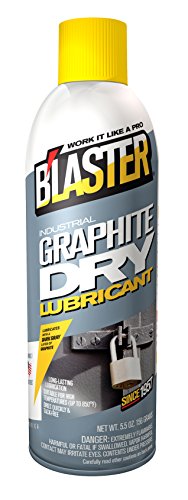
When a lock has been neglected for years and feels like it is filled with grit, you need something with a bit more potency. Blaster is known for its ability to penetrate deep into the tumblers of older, weathered locks.
This is an ideal choice for outdoor gates, shed locks, or mailbox keys that have been exposed to the elements. It helps break up the oxidation that often causes metal-on-metal friction in older mechanisms.
Be aware that because it is a more powerful formula, you only need a tiny puff to get the job done. Using too much can create a mess, so start with a very light application.
3-IN-ONE Lock Dry Lube: Best Precision Nozzle

Precision is key when you are dealing with delicate internal lock components. This product features a thin, straw-like applicator that allows you to target the lock cylinder directly without getting powder all over your door frame.
Renters will appreciate this feature, as it prevents unsightly black smudges from appearing on painted surfaces or wood trim. It is also excellent for small, intricate locks on luggage or jewelry boxes where a wide spray would be overkill.
While it may cost slightly more than a basic squeeze bottle, the precision nozzle saves you time on cleanup. It is a smart investment for anyone who hates the mess typically associated with graphite maintenance.
Panef Dry Graphite: Best Value for Small Jobs
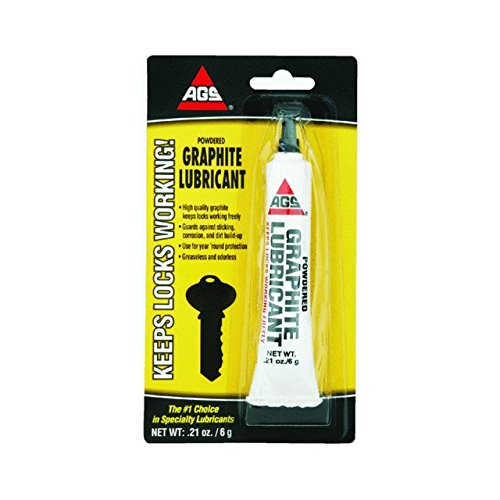
If you only have one or two locks in your home that need occasional attention, you don’t need a professional-sized bottle. Panef offers a compact, budget-friendly option that is perfect for minimal storage spaces.
This is a great choice for college students or those living in micro-apartments where storage is at a premium. It fits easily into a small medicine cabinet or a tiny utility closet without taking up valuable space.
You get exactly what you need at a price point that makes maintenance accessible for everyone. It is the perfect "keep it on hand" solution for basic household upkeep.
Sentry Safe Graphite: Best for Security Boxes

Security boxes and fire safes require specific care because you cannot afford for the locking mechanism to fail. This specialized graphite is formulated to be extremely fine, ensuring it doesn’t clog the tight tolerances of high-security tumblers.
If you store important documents or passports in a safe, you want a lubricant that won’t degrade over time. This product is designed for long-term stability, meaning you won’t have to worry about the lock seizing up between uses.
Always check your safe’s manual before applying any lubricant, but this is generally the safest choice for sensitive security hardware. It provides peace of mind that your valuables will be accessible when you need them.
Liquid Wrench Dry Lube: Best for Heavy Duty Use
When you are dealing with industrial-grade locks, garage door tracks, or heavy-duty padlocks, you need a lubricant that can stand up to high pressure. Liquid Wrench provides a robust coating that stays put even under heavy mechanical stress.
This is the best option for homeowners with detached garages or heavy security chains that are used daily. It is built to last longer than standard consumer-grade graphite, reducing the frequency with which you need to re-apply.
While it is a bit more heavy-duty, it is still a dry lubricant that won’t attract dirt. It is the ideal choice for those who prefer to "set it and forget it" when it comes to home maintenance.
Why Graphite Is Better Than Oil for Your Locks
Many people mistakenly reach for household oils like WD-40 or cooking spray when a lock sticks. This is actually a major mistake because oil acts as a magnet for dust, lint, and debris.
Over time, oil-based lubricants turn into a thick, gummy sludge inside your lock. This sludge will eventually jam the pins completely, often requiring you to replace the entire lock mechanism.
Graphite, by contrast, is a dry lubricant that stays powdery and clean. It provides the necessary slickness for the key to turn without creating a trap for the grime that inevitably accumulates in household locks.
How to Apply Graphite Powder Without the Mess
The most common mistake people make is over-applying the powder, which leads to black dust falling onto your floor or hands. You only need a very small amount to coat the internal pins effectively.
To apply it properly, give the bottle a light squeeze while pointing the nozzle directly into the keyhole. After one or two small puffs, insert your key and slide it in and out of the lock several times to distribute the powder evenly.
Wipe away any excess powder from the face of the lock with a dry paper towel immediately. If you follow these steps, you will keep your locks smooth and your entryway clean.
Troubleshooting Common Key and Lock Problems
If your key is still sticking after applying graphite, the issue might not be the lubricant. Check to see if your key is bent or if the teeth are worn down, as a damaged key will never turn smoothly regardless of the lube.
Sometimes the lock itself is misaligned with the strike plate on the door frame. If you have to lift or pull the door to get the key to turn, you have a structural problem that graphite cannot fix.
In those cases, you may need to tighten the screws on the strike plate or call a professional to adjust the door fit. Graphite is a miracle worker for internal pins, but it isn’t a substitute for basic hardware alignment.
Maintaining your locks with the right graphite powder is one of the simplest ways to prevent a home security emergency. By choosing the right product for your specific needs and applying it with care, you ensure that your keys turn smoothly for years to come. A little bit of proactive maintenance today will save you from a major headache down the road.
