

7 Best High-Temperature Duct Tapes for Furnace Work
Discover the 7 best high-temperature duct tapes for furnace repairs. Learn which adhesives withstand extreme heat to ensure safe, long-lasting HVAC seals.
Dealing with a drafty furnace or a rattling duct joint can turn a cozy home into a source of constant frustration. Choosing the right high-temperature foil tape isn’t just about fixing a leak; it’s about improving your home’s energy efficiency and comfort. This guide helps you navigate the technical specs to find a reliable solution that fits your specific repair needs.
3M HVAC Foil Tape 3340: Best for Metal Ductwork


If you are working with rigid metal ductwork in an older home, you know how frustrating it is when a repair fails after a single season. The 3M 3340 is designed specifically for these metal surfaces, utilizing a high-performance acrylic adhesive that bonds instantly to galvanized steel. It’s a workhorse for homeowners who want a "do it once, do it right" approach to furnace maintenance.
Because this tape is relatively thick, it resists punctures and tears that often occur during the installation process. It’s an excellent choice for sealing seams on furnace plenums where the heat is most intense. While it carries a premium price tag compared to generic hardware store brands, the long-term savings on heating bills make it a smart investment for any homeowner.
The bottom line here is reliability. If you have a permanent home and want a professional-grade seal that won’t peel away when the furnace cycles on and off, this is your go-to product.
Nashua 324A Cold Weather Foil Tape: Best Sealant
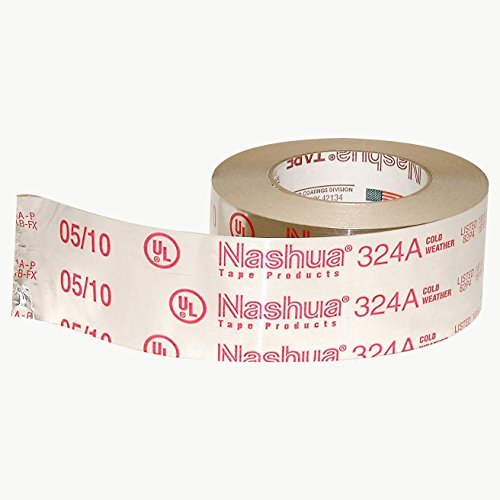
Many homeowners discover duct leaks in the middle of winter when the attic or basement is freezing, which makes standard tapes lose their stickiness. The Nashua 324A is engineered to remain pliable and adhesive in temperatures as low as 10 degrees Fahrenheit. It’s a lifesaver if you are performing an emergency repair in an unconditioned space.
This tape is highly conformable, meaning it wraps around irregular joints and elbows with ease. Its moisture-resistant backing ensures that condensation won’t compromise the seal over time, which is a common issue in humid climates. It’s a versatile option for both renters and homeowners who need a quick fix that actually stays put.
Keep in mind that while it handles cold well, it is also rated for high temperatures, making it a true year-round performer. If you only have space in your utility drawer for one roll of tape, make it this one.
Shurtape AF 973: Superior Strength and Adhesion

When you are dealing with high-velocity air systems, the pressure inside the ducts can actually pull apart weak seals. The Shurtape AF 973 is built with a heavy-duty foil backing that provides superior tensile strength. It is designed to hold fast even when the air pressure fluctuates significantly.
This tape is a favorite among contractors because it offers an aggressive "grab" that saves time during installation. You don’t have to spend minutes rubbing the tape down to ensure it sticks; it bites into the surface immediately. It is perfect for larger households where the HVAC system works overtime to keep multiple rooms comfortable.
While it is slightly more rigid than other options, this stiffness is exactly what prevents it from stretching or failing under pressure. It is a fantastic choice for anyone prioritizing a permanent, heavy-duty seal over ease of manual tearing.
Venture Tape 1520CW: Best for Tight Spaces

Working in a cramped crawlspace or behind a furnace unit often leaves you with very little room to maneuver your hands. The Venture Tape 1520CW is highly flexible, allowing you to wrap it around corners and tight spots without it bunching up or creasing. Its ease of handling makes it significantly less frustrating to use in confined areas.
Despite its flexibility, it doesn’t sacrifice performance, as it is UL-listed for safety and fire resistance. This is a crucial consideration for homeowners concerned about building code compliance. It provides a clean, professional look that holds up well even in dusty environments where other tapes might lose their edge.
For the DIYer who isn’t a professional contractor, this tape is the most forgiving option available. It’s easy to reposition if you make a mistake, which is a huge advantage when you’re working in a dark, awkward corner.
Intertape Polymer Group AC36: Top Value Choice

If you have a large project, such as sealing the entire duct system in a basement renovation, buying the most expensive tape can quickly break your budget. The AC36 from Intertape offers a balance of quality and affordability that is hard to beat. It provides a solid, airtight seal without the premium price of industrial-grade specialty tapes.
This tape performs reliably in standard residential settings and is more than capable of handling typical furnace temperatures. While it might not have the extreme temperature range of some specialty products, it is perfectly suited for 90% of home ductwork applications. It’s the smart choice for thrifty homeowners who want to improve efficiency without overspending.
You get a professional-looking result that passes inspection without the high entry cost. It’s our top recommendation for those who need to buy in bulk to finish a larger household project.
Berry Plastics 403X: Best for High Temperatures
If your furnace is older or you are working on the exhaust vent near the burner, heat resistance is your primary concern. The Berry Plastics 403X is specifically rated for higher temperature thresholds than standard foil tapes. It won’t dry out, crack, or lose its adhesive integrity when exposed to the intense heat radiating from the furnace plenum.
This tape is designed for longevity in environments where other tapes would become brittle within a few months. It is a specialized tool, so you might find it slightly less "sticky" to the touch than some others, but once it is applied and heated, it forms an incredibly strong bond. It is the gold standard for high-heat areas.
Use this when you need peace of mind near heat sources. It is a critical safety upgrade for any homeowner who wants to ensure their furnace connections are as heat-stable as possible.
T-Rex Ferociously Strong Foil: Best Durability
Sometimes you need a tape that can handle more than just heat; you need it to withstand physical abuse from vibrations or accidental contact. The T-Rex foil tape lives up to its name with a thicker, more durable construction that resists tears and abrasions. It is ideal for ducts that are located in high-traffic areas like garages or utility rooms.
The adhesive is designed to work on a variety of surfaces, including metal, plastic, and even some types of insulation board. This versatility makes it a great "emergency kit" tape for any household. While it is bulkier than thinner foil tapes, that extra mass provides a layer of protection that is unmatched.
If you have a busy household with pets or kids, or if your ductwork is exposed and prone to being bumped, this is the most durable choice. It isn’t just a sealant; it’s a protective barrier for your HVAC system.
Understanding Temperature Ratings for Duct Tapes
Not all foil tapes are created equal, and the temperature rating is the most important spec on the label. Most residential furnace ducts operate between 150°F and 250°F, so always check the product packaging to ensure your tape exceeds these limits. Using a tape that isn’t rated for high heat will lead to the adhesive melting and the tape falling off within a few weeks.
- Standard HVAC: Usually rated up to 200°F–250°F, suitable for most supply and return ducts.
- High-Temp: Rated for 300°F and above, necessary for plenum areas near the furnace burner.
- Cold-Weather: Specifically designed to stick in freezing temperatures, vital for attic or crawlspace work.
Always err on the side of caution by choosing a tape with a higher rating than you think you need. Heat degradation is the number one reason DIY duct repairs fail prematurely.
How to Properly Clean Ducts Before Applying Tape
The biggest mistake homeowners make is applying tape directly over dust, grease, or rust. If the surface isn’t clean, the adhesive will bond to the debris rather than the metal, causing the tape to peel away almost immediately. Use a damp cloth to wipe down the area, followed by a quick pass with a degreaser if the ducts are near a kitchen or garage.
Once the surface is clean, it must be completely dry. Moisture is the enemy of a good seal, so let the area air dry or use a clean rag to remove any lingering water. Taking these five minutes to prep the surface will make your tape last five years instead of five days.
- Remove dust: Use a microfiber cloth to prevent leaving fibers behind.
- Degrease: Use isopropyl alcohol or a mild detergent for oily surfaces.
- Dry: Ensure the metal is warm to the touch if possible, as adhesive sticks better to dry, warm surfaces.
When to Use Foil Tape Versus Mastic Sealant
Foil tape is excellent for quick repairs and sealing visible seams on rigid metal ducts. It is user-friendly, clean to apply, and provides an immediate airtight seal that is easy to inspect. However, it is not a permanent solution for large gaps or structural holes in the ductwork.
Mastic sealant, on the other hand, is a thick, paste-like compound that is the professional standard for sealing duct joints permanently. It is superior for filling gaps and preventing air leaks in complex, hard-to-reach joints where tape might eventually wrinkle. If you have a large hole or a significant gap, use a mesh tape combined with mastic rather than relying on foil tape alone.
- Use Foil Tape: For small leaks, quick maintenance, and sealing seams on round or square metal pipe.
- Use Mastic: For sealing major joints, filling large gaps, and ensuring a lifetime, airtight seal in permanent installations.
Maintaining your furnace ducts is one of the most effective ways to lower your energy bills and improve your home’s air quality. By choosing the right tape for your specific environment and taking the time to prep the surface properly, you can achieve professional results on your own. Remember that a well-sealed system is the foundation of a comfortable and efficient home.

