
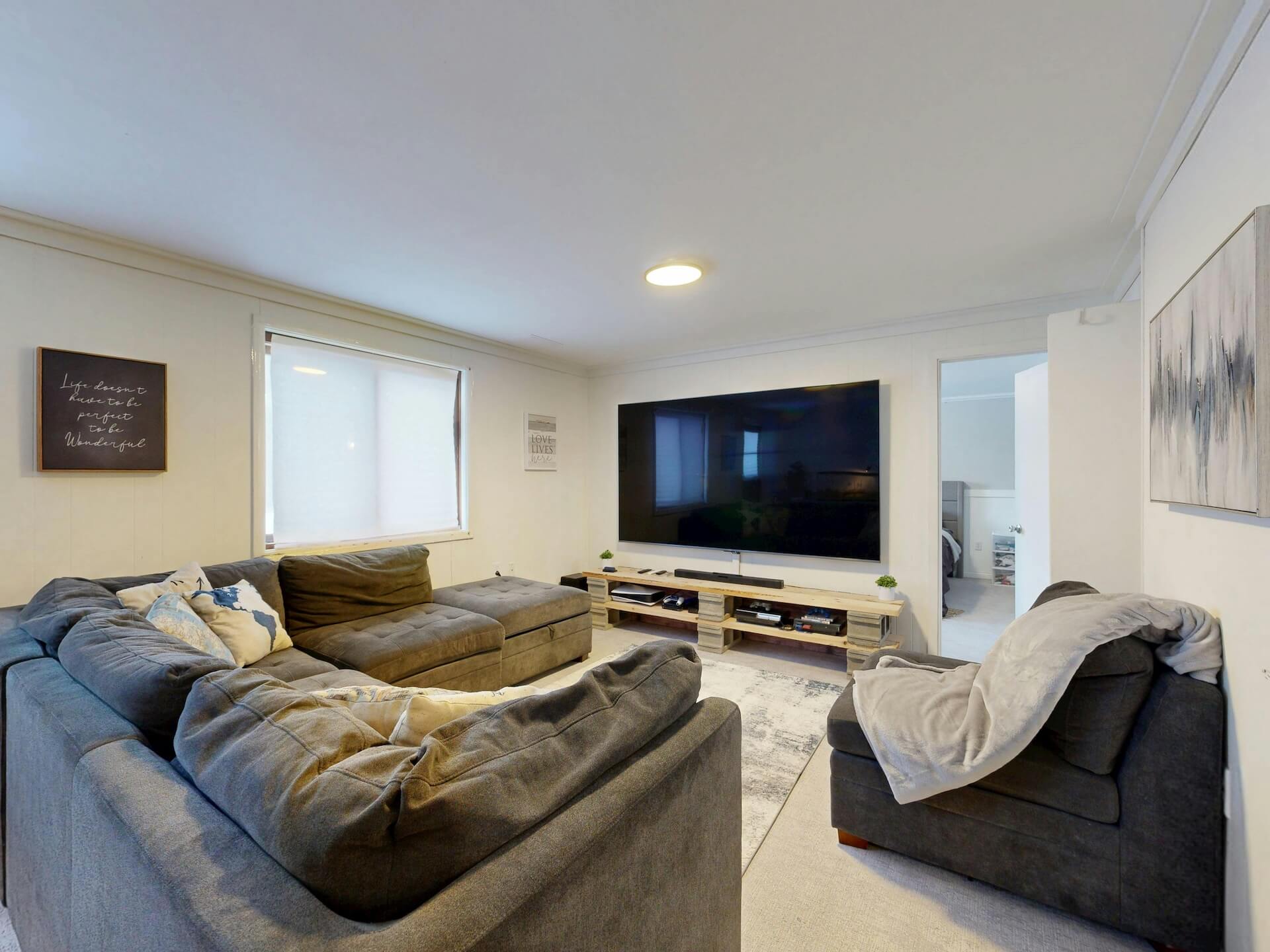
7 Best HDMI Cables With Low-Profile Connectors Tested
Struggling with tight spaces? We tested 7 low-profile HDMI cables to find the best options for slim wall mounts and compact setups without losing signal speed.
Finding the right HDMI cable often feels like an afterthought until you realize your wall-mounted TV won’t sit flush because of a bulky connector. These seven selections prioritize low-profile designs without sacrificing the signal quality your modern devices demand. This guide breaks down the best options to ensure your home entertainment setup stays clean, functional, and future-proof.
Zeskit Maya 8K HDMI: Best Overall Performance
When you have a high-end gaming console or a top-tier OLED TV, you need a cable that handles massive amounts of data without failing. The Zeskit Maya is a staple in many home theaters because it consistently delivers the full 48Gbps bandwidth required for 8K resolution and high-refresh-rate gaming.
Despite its high performance, the connector housing is surprisingly compact compared to other certified cables. It manages to balance a rugged build with a footprint that doesn’t put unnecessary strain on your device’s HDMI port.
If you want a "buy it once" solution that works perfectly for years, this is the gold standard. It is slightly stiffer than cheaper cables, so keep that in mind if you have a very sharp bend to make behind your equipment.
Cable Matters Ultra Slim: Best for Tight Spaces
If you live in an apartment where your TV is mounted on a thin bracket or tucked into a recessed wall niche, you know the struggle of clearance. The Cable Matters Ultra Slim series features a significantly reduced connector head that is designed specifically for these restrictive environments.
The cable itself is thinner and more flexible than standard HDMI cords, making it much easier to route through narrow cable management channels. This flexibility is a lifesaver when you are trying to hide wires behind a slim wall mount or a tight media console.
While it is perfect for space-saving, it is not designed to be yanked or bent at extreme angles daily. Use this for permanent, "set it and forget it" installations where space is your primary constraint.
Monoprice SlimRun: Best Low-Profile Bulk Option
For those managing a multi-room setup or running cables through walls during a renovation, buying in bulk is the smartest way to save. The Monoprice SlimRun series offers a streamlined design that is ideal for pulling through conduits or tight corners without snagging.
Because these cables are often used in professional or semi-professional installs, they prioritize a low-profile aesthetic that disappears behind your hardware. They are reliable enough for everyday use but priced low enough that you won’t mind replacing them if you rearrange your furniture.
These are best suited for homeowners who prefer a clean, minimalist look without the premium price tag. Just remember that because they are "slim," they may lack the heavy-duty shielding of thicker cables, so avoid running them directly alongside power lines.
UGREEN 8K HDMI Cable: Best Value for Money
It is easy to get caught up in expensive branding, but the UGREEN 8K cable proves that you don’t need to overspend for modern specs. This cable offers a balanced profile that fits most standard TV ports easily while providing reliable support for dynamic HDR and eARC.
The build quality is impressive for the price, featuring a sturdy connector that feels secure once plugged in. It’s a great "workhorse" cable for a living room TV where the kids might be plugging and unplugging devices occasionally.
You get the essential performance needed for modern streaming and gaming without paying for unnecessary marketing hype. It is the most practical choice for the average household looking to upgrade their cables across several rooms.
Belkin Ultra HD Cable: Best for Wall Mounting
Belkin has long been a go-to for people who want a reliable, no-nonsense cable that is officially certified for high-speed performance. Their Ultra HD cable features a sleek, low-profile design that is specifically engineered to sit flush against the back of a wall-mounted television.
The connector head is molded with a smooth finish, which helps it slide into tight spaces without catching on the mounting hardware. It is a fantastic choice if your TV is mounted on a tilting bracket that requires a bit of extra room to move freely.
While it is priced higher than budget alternatives, the peace of mind regarding signal integrity is worth it for a primary living room TV. It is a premium product that justifies its cost through sheer reliability and ease of installation.
AmazonBasics Slim Series: Best Budget Pick
Sometimes you just need a cable that works, fits, and doesn’t cost a fortune. The AmazonBasics Slim series is the quintessential "utility" cable, offering a thinner profile that is perfect for basic setups like a bedroom TV or a guest room gaming station.
These cables are lightweight and easy to manage, making them ideal for temporary setups or dorm rooms. They aren’t the most rugged cables on the market, but for stationary devices, they perform perfectly well.
If you are on a tight budget, don’t feel pressured to buy the most expensive option available. These cables will handle 4K streaming and basic media needs without any issues, keeping your setup clean and functional.
StarTech Ultra Slim: Best for Cable Management
Cable clutter is the enemy of a tidy home, and the StarTech Ultra Slim series is designed to help you regain control. These cables are exceptionally thin and lightweight, which makes them incredibly easy to bundle together with zip ties or velcro straps.
Because the connector housing is so small, you can fit multiple cables into a single port cluster without them crowding each other out. This is a massive advantage if your TV has four HDMI inputs that are all tightly packed together.
These are the best choice for the "neat freak" who wants their cable runs to be as invisible as possible. They are a bit more fragile than thicker cables, so handle them with care during the initial routing process.
Why Low-Profile Connectors Matter for Your TV
Many modern TVs have HDMI ports that face directly toward the wall, creating a major clearance issue for standard, rigid cables. If your cable is too bulky, it can actually bend the internal pins of your TV’s port, leading to permanent hardware damage.
Low-profile connectors provide the necessary breathing room to prevent this stress on your equipment. They also allow your television to sit closer to the wall mount, which is essential for achieving that sleek, "picture frame" look that many homeowners desire.
- Protecting your ports: Reduces physical torque on the TV’s internal connections.
- Aesthetic appeal: Allows for a closer fit between the TV and the wall.
- Compatibility: Essential for TVs with side-facing ports that are tucked into narrow enclosures.
Understanding HDMI 2.1 Specs for Future Proofing
When shopping, you will see "HDMI 2.1" or "48Gbps" labels frequently; these indicate the cable’s ability to handle the latest video standards. Even if your current TV is only 4K, buying an 8K-ready cable ensures you won’t need to replace your wiring when you upgrade your display in a few years.
HDMI 2.1 also supports features like Variable Refresh Rate (VRR) and Auto Low Latency Mode (ALLM), which are vital for a smooth gaming experience. It is a small investment that prevents the frustration of having to pull cables through walls again in the future.
- Bandwidth: 48Gbps is the current gold standard for full 2.1 support.
- eARC: Necessary for high-quality audio transmission to soundbars and receivers.
- Longevity: Future-proofing saves time and labor during future hardware upgrades.
How to Measure Your TV Clearance Requirements
Before you buy, take a moment to look at the back of your television and measure the gap between the HDMI port and the wall. If you have less than two inches of space, a standard, thick-headed cable will likely be too stiff to bend safely without damaging the port.
If your TV is mounted on a fixed bracket, you have less room for error than if you have a full-motion, articulating mount. Always opt for a cable with a flexible jacket if you know you have to navigate tight turns behind the mounting plate.
- Measure first: Use a tape measure to check the depth of your current mount.
- Visualize the bend: Imagine the cable exiting the port; if it hits the wall immediately, you need a low-profile head.
- Test the fit: If you have an existing cable, use a piece of string to simulate the path and see where it binds.
Investing in the right HDMI cable is a small step that pays off in a cleaner, more reliable home theater setup. By focusing on low-profile designs, you protect your expensive hardware while ensuring your entertainment space remains tidy. Choose the option that best fits your specific clearance needs, and enjoy a clutter-free viewing experience.
